Armenian Fruits 'Spoiled' as Moscow Takes Drastic Actions
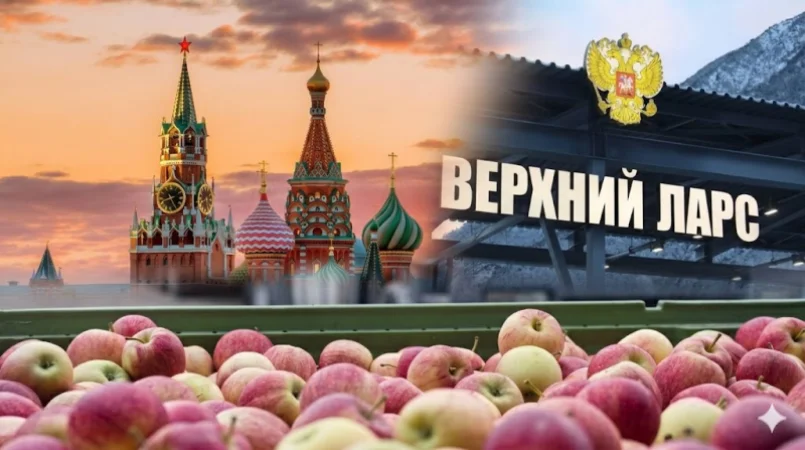
Why have Armenian fruits 'spoiled'? Moscow is taking drastic actions.
The statement by Sergey Dankvert, head of Rosselkhoznadzor, regarding the discovery of issues not only with flower exports from Armenia but also with the supply of fruits and vegetables, once again proves that economic levers remain one of Moscow's most influential tools during periods of political tension with Yerevan.
These developments are not coincidental and are directly related to the Eurasian Economic Union summit, set to take place in Astana on May 29, where, according to preliminary statements from the Russian side, the status and future role of Armenia within the EEU will be discussed.
The Russian side frequently uses phytosanitary restrictions as a unique political barometer, and the expansion of the geographical scope of these issues at the onset of the fruit and vegetable season aims to maximize economic pressure, targeting specific Armenian farmers and businesses. This may also spark additional discontent on the domestic front.
In the lead-up to the May 29 session, Moscow is putting real loss calculations on the table for Yerevan, clearly demonstrating that a continuous pivot towards a Western political vector cannot go without consequences in the economic sphere.
While Armenia's Ministry of Economy is attempting to find quick solutions and talks about redirecting products to European markets, the reality is that rapid diversification for fresh agricultural products is nearly impossible. This is because a lion's share of Armenian exports is tied to the Russian market, and entering new markets requires years of certification and new logistical chains.
Thus, the Astana meeting will become a watershed moment for Armenian-Russian economic relations. If the Armenian delegation manages to obtain political assurances or engage in constructive dialogue during the session, the 'violations' identified by Rosselkhoznadzor may disappear as quickly as they appeared. Conversely, if not, the restrictions could have a chain effect, extending to dairy products, canned goods, and alcoholic beverages, which would deal a significant blow to Armenia's agriculture and processing industry.
Նմանատիպ հոդվածներ

Ավելին Politics բաժնից
Իրանը հայտարարում է ԱՄՆ-ի երկու ռազմական անօդաչուի ոչնչացման մասին

Իրանն ու Ռուսաստանը կարող են արգելակել TRIPP-ի իրականացումը․ Սուրենյանց

Իրանը կշարունակի վերահսկել Հորմուզի նեղուցը