Artificial Intelligence Reaches Tennis' Most Prestigious Tournament
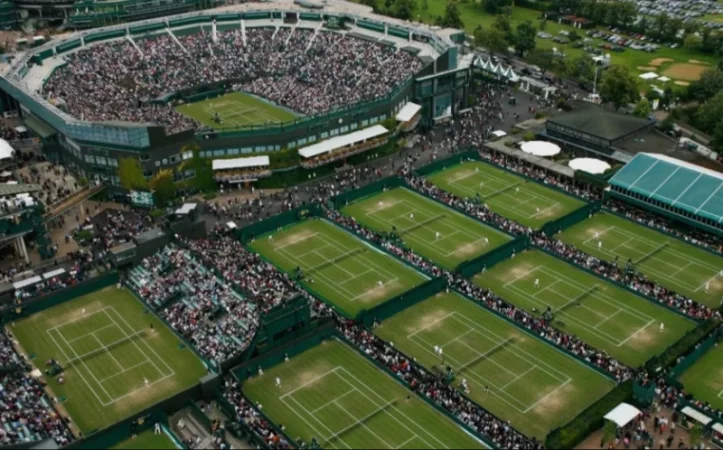
At Wimbledon, for the first time in the tournament's 148-year history, there are no individuals on the courts who are often referred to as the most elegant representatives of the tennis world. The referees have been replaced by technology developed by Hawk Eye. The system tracks the ball's trajectory, recording its coordinates at every point of its flight, and makes infallible decisions on whether the ball has hit the court or has gone out.
Instead of the 300 referees that have served the matches of Wimbledon's Grand Slam tournament every year, an average of 18 cameras are now installed on each court to determine the ball's path. Experienced referees traditionally determine the location of the ball's bounce with an accuracy of 30-40 millimeters. British tennis player Cameron Norrie believes that the color has disappeared, but he regrets the loss of years of tradition the most. The world's 12th ranked player, American Frances Tiafoe, thinks that the beautifully dressed line judges added a ceremonial flair to the tournament.
“The decision to eliminate referees was not easy for us. First, it means hundreds of jobs lost. Professional and dedicated people to tennis were instantly out of work. Second, it's harder for us to part with traditions; we are such a country. And third, the unconditional benefits of this replacement for the game are yet to be proven,” officials told the BBC at the All England Club.
It is worth noting that this year, in the first week of the tournament, several players complained about the new system's audio accompaniment, stating that it is low and inaudible. Tennis participants also protested, mainly expressing their dissatisfaction with the fact that technology is taking away people's jobs.
“I think this is not the end of it. It's time for new traditions. It’s sad, but inevitable,” says tennis coach Chris Howard.
Նմանատիպ հոդվածներ

Ավելին Society բաժնից

ՏԵՍԱՆՅՈՒԹ. «Արարատցեմենտ»-ում գործողությունները սկսվել են առավոտյան՝ ուժի կիրառմամբ․ տնօրենի ԺՊ

Wildberries-ը նոր քայլ է անում կեղծ պատկերների դեմ
ՏԵՍԱՆՅՈՒԹ․ ՆԳՆ-ի խիստ նախազգուշացումը ոչ սթափ վարորդներին. սա հնարավորություն է