Parasites Found in Garbage Balloons in South Korea
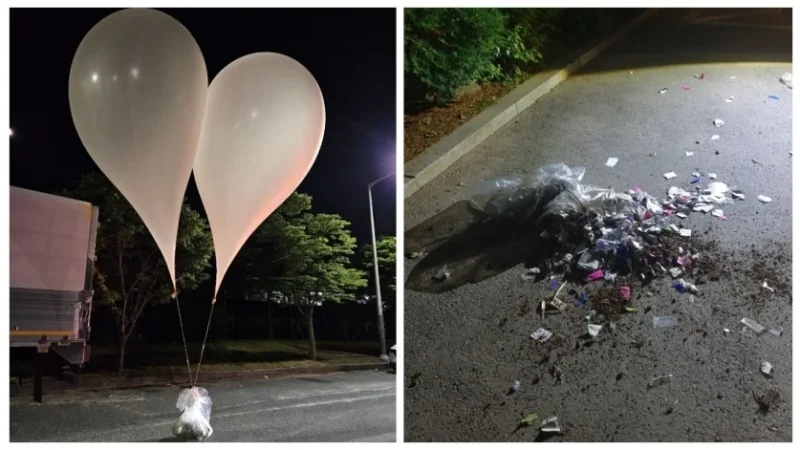
Certain balloons filled with trash and sent from North Korea to South Korea have been found to contain parasites, though no harmful substances have been detected, CNN reports.
“During the analysis, roundworms, whipworms, and filarial worms were discovered,” South Korean military officials stated. They believe that the parasites found in the trash of the balloons likely originate from human feces. Such conclusions were made after examining 70 balloons.
The trash from the balloons also contained pieces of clothing, including ties and blue jackets, which were likely cut with scissors. These items have been identified as having been previously provided by a South Korean company to North Korea.
“It seems that North Korea has damaged and sent back items previously sent to express extreme hostility towards the leaflets and to highlight their antagonistic stance against South Korea,” said a spokesperson for the ministry.
Meanwhile, North Korea launched a new batch of projectiles towards South Korea on Monday against the backdrop of rising tensions on the Korean Peninsula. The military has identified around 350 balloons. Approximately one hundred of these balloons fell in South Korean regions, with the contents examined and reported to contain “no harmful substances.” Additionally, local residents have been advised not to touch the fallen balloons but to inform the authorities.
It is worth noting that at the end of May, North Korea sent more than 150 balloons filled with trash across the border to South Korea. This act was a response to the launch of South Korean propaganda materials in North Korean territory.
The sister of Kim Jong Un, who serves as the deputy director of the propaganda and agitation department of the Workers’ Party of Korea, labeled the act of sending balloons filled with trash and feces to South Korea as “an expression of the people’s opinion” and urged Seoul to respect this right.
Shortly after, the aerial conflict between North and South Korea continued. In response to the shipments of trash and manure parcels from Pyongyang, activists from Seoul sent balloons with dollars and cultural propaganda to their northern neighbors. A few days later, Kim Jong Un’s sister stated that South Korea’s decision to resume propaganda broadcasts along the border in response to the previously sent trash balloons could lead to a “very dangerous situation.”
Նմանատիպ հոդվածներ

Voter Turnout in French Parliamentary Elections Reaches Record High
We Are Always Ready to Support the Settlement of Relations Between Armenia and Azerbaijan and the Promotion of the Peace Agenda: Putin

India Values Armenia's Strategic Position, Says External Affairs Minister

Zelensky's Office Claims There Should Be No Peaceful Life in Crimea
Ավելին Politics բաժնից

«Ուժեղ Հայաստանը» դեռ չի բացում՝ որ հանձնաժողովներն է ընտրելու. Տիգրան Աբրահամյան
ԱԹՍ-ների զանգվածային հարձակում՝ Մոսկվայի մարզում․ կան զոհեր
Հայաստանը մտնում է արհեստական բանականության նոր փուլ. Փաշինյան