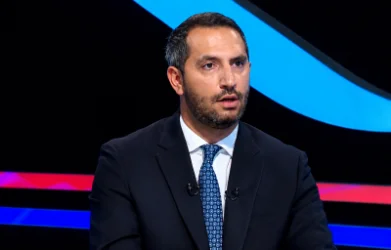
VIDEO: Azerbaijan Wants No Border, Prefers Power Dynamics, Says Rubinyan
On this day in 1991, Armenia and the Armenian people mourned. During the defense of the local population in Getashen and Martunashen, the commander of the Hrazdan detachment, Zarzand Danielyan, Getashen member of the Armenian Revolutionary Federation (ARF) Valeri Nazaryan, Armenia’s national hero and ARF member Tatul Krpeyan, student of Yerevan State Institute and ARF member Arthur Karapetyan, and scientific ARF member Simon Achikgyozyan were killed in an unequal battle.
This was stated by Gegham Manukyan, a member of the “Armenia” parliamentary faction, during a session of the National Assembly. “Bless them for sacrificing for the homeland, bless them for not witnessing the denial, bless them for not seeing that the ARF is hated in Turkey, in Azerbaijan, and even in the Parliament of Armenia - in the ruling majority,” he said.
Manukyan recalled that during discussions on this issue, he posed a simple question to Maria Karapetyan, which she could not answer: “I asked her to show just one country in the world that carries out demarcation and delimitation based on small shifts of borders while the rest remain unverified boundaries. She could not provide a single example, as there cannot be any other insane government in the world that would retreat on its tiny borders while large parts of its territory remain occupied by the opposing side. In any normal country, where there is no insane government, the law enforcement agencies would have signed detention orders from the very beginning for treason against the homeland, security, and state interests,” he stated.
For months, Azerbaijan has been attempting to backtrack on the agreement to recognize each other's territorial integrity based on the Alma-Ata Declaration and to conduct delimitation and demarcation. This was announced by Ruben Rubinyan, Deputy Speaker of the National Assembly, during a special speech. “Months later, in April, an agreement was reached, and a memorandum was signed reaffirming that the basis of delimitation would be the Alma-Ata Declaration. What does this imply? That the administrative borders existing between the Armenian and Azerbaijani SSRs at the time of the collapse of the Soviet Union, specifically as of 1991, will be restored,” he said.
Rubinyan asked why Azerbaijan had sought to avoid this; the answer was simple: Azerbaijan wants there to be no Armenia-Azerbaijan border, or for it to be blurred, with the rule of power prevailing. In other words, the logic is as follows: wherever an army can stand, there are its borders,” he noted.
Rubinyan also pointed out that it is strange that recently one of the opposition archbishops wanted to adopt the same logic. “It is very strange and incomprehensible to me why our parliamentary opposition is engaged in legitimizing this logic. When the opposition brings a bill stating that the basis for delimitation should be the 1993 contact line, it means to say that the basis for the border between Armenia and Azerbaijan should not come from documents and maps with legal grounds but rather from the contact line. The contact line itself indicates a line formed as a result of force - whoever could stand where, that is where their border is. This means you are legitimizing the law of force, and when force comes into play, your allies will not fulfill their obligations, and then what will happen is what has happened numerous times before,” Rubinyan asserted.
He urged the opposition not to complicate everything and not to try to change the essence of their actions through linguistic means. “The crux of the matter is that there is a border between Armenia and Azerbaijan, and it is not vague. It has now been reaffirmed that this border will be restored, that is, delimitation will take place based on the Alma-Ata Declaration,” the Deputy Speaker of the National Assembly emphasized.
Նմանատիպ հոդվածներ

VIDEO: Pashinyan Emphasizes Citizen Rights Representation
VIDEO: After That, One Simple Thing Will Happen - War Will Begin, Says Pashinyan
VIDEO: Pashinyan Explains Why Specific Maps for Border Demarcation Are Not Disclosed
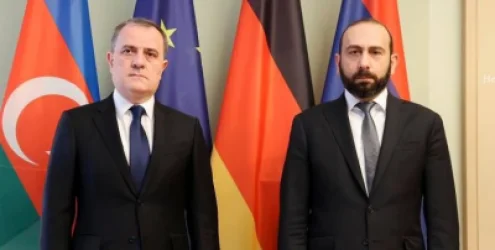
Armenia Yet to Give Its Consent: Kazakhstan's Foreign Ministry on Mirzoyan-Bayramov Meeting
Ավելին Politics բաժնից
Իրենք ոչ ընտրվել են, ոչ էլ՝ հաղթել. Իշխան Սաղաթելյան
Ավելի լավ կլինի, եթե ընդդիմությունը չգա խորհրդարան. Ռուբինյան
Մոսկվան պահանջում է Եվրոպայից հեռացնել ամերիկյան միջուկային զինանոցը