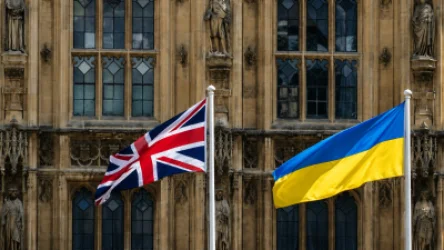
Armenia's Justice Ministry on Border Demarcation
The Ministry of Justice of the Republic of Armenia informs that in recent days, there have been several false and misleading claims regarding the work of the commission on the demarcation of the state border and border security issues between the Republic of Armenia and the Republic of Azerbaijan, as well as the process taking place in the Tavush region.
Claim 1. The government is changing the territory of the Republic of Armenia. 'Lands are being handed over to Azerbaijan from Tavush region,' violating the territorial integrity of the Republic of Armenia, which is a criminal act. Changes to the state border can only be made through a referendum.
Response: The Memorandum signed between the commissions and the process being carried out in no way could involve the handing over of any part of the Republic of Armenia's sovereign territory to another state. Changes to the territory of the Republic of Armenia can only be made through a referendum. It is important to emphasize that the De jure territory of the Republic of Armenia was formed after the collapse of the USSR, based on the 1991 Alma-Ata Declaration and the principles enshrined in the Minsk agreements. The ongoing process relates not to a change of territory, but to the reproduction and demarcation of the state border. According to Article 1, paragraph 2 of the law on the 'State Border', the state border is determined by international treaties of the Republic of Armenia and the laws of the Republic of Armenia, where there is no mention of determining the state border through a referendum. In this case, the international treaties that serve as the basis for determining the state border of the Republic of Armenia are the 1991 Alma-Ata Declaration and the Minsk agreement.
The demarcation process is being conducted on the basis of legally substantiated maps and documents existing at the time of the collapse of the Soviet Union, and according to those maps, there has been no discussion or could there be any discussion about 'handing over' any territory belonging to Soviet Armenia, and thus the Republic of Armenia, to another country.
Claim 2. The four villages where the demarcation is taking place belong to Armenia unless proven otherwise during the demarcation process.
Response: According to the legally valid maps that existed during the Soviet period, including the maps agreed upon by the commissions in the demarcation process, the four discussed villages belonged to Soviet Azerbaijan. Furthermore, the territories of the administrative divisions, including communities in Tavush region, are defined in the Law on Territorial Division of the Republic of Armenia adopted on November 7, 1995, which does not include the villages in question. Therefore, there cannot be any legal grounds for asserting the ownership of these villages by the Republic of Armenia.
Claim 3. Requirements of the 'Law on State Border' are being violated, and an agreement on territorial changes can only be reached through international treaties; the state border of Armenia is being demarcated without entering into the proper international treaty and ratification by the National Assembly, and the Armenian Demarcation Commission has no right to decide on changes to Armenia's borders.
Response: There is no ongoing process regarding a change of territory or borders of the Republic of Armenia. The current process is related to the reproduction and demarcation of the state border based on accepted international treaties—the 1991 Alma-Ata Declaration and the Minsk agreement—as established and internationally recognized basis of Armenia’s state border. The agreement between the commissions involves the coordination of a specific section of the border line by May 15 and seeking government approval for the simultaneous deployment of border troops in this area, given the mandate of the Armenian demarcation commission to address border security issues. It should also be noted that the statement released following the meeting of the commissions indicates that the demarcation in the four villages is preliminary, pending the complete conclusion of the demarcation process. The final document confirming the completion of the demarcation process should be the international treaty on the state border to be signed between Armenia and Azerbaijan, which will be subject to ratification by the National Assembly of the Republic of Armenia. Therefore, the ongoing process is entirely lawful, and currently, there is no requirement for the signing and ratification of an international treaty.
Claim 4. Demarcation is currently being conducted without maps, as boundary pillars are being installed, which is a violation of the agreements reached between the Armenian and Azerbaijani commissions on April 19.
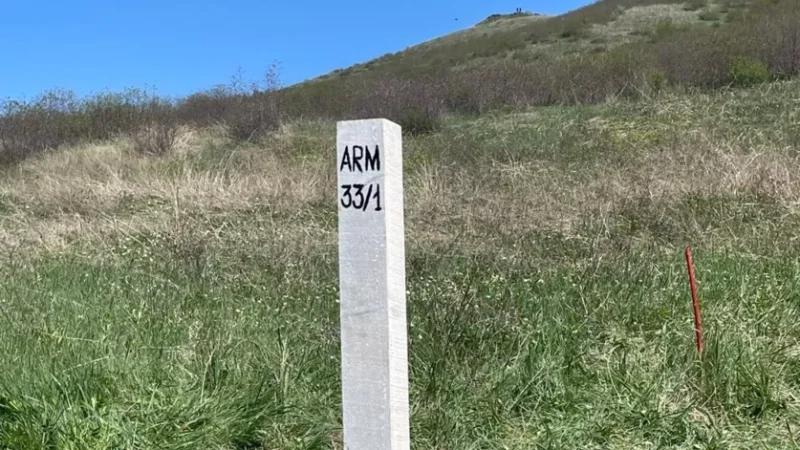
Response: The installation of the pillars is being done based on the maps agreed upon by both parties, by the working group attached to the Armenian demarcation commission formed specifically for the purpose of preparing a descriptive draft. In the areas where pillars are installed, there are no disputes between the working groups of the two countries. The installed pillars serve as a reference for preparing the descriptive memorandum and will be submitted for approval to the commissions in the near future. The process of installing the pillars does not contradict the approval of the descriptive memorandum by the commissions by May 15.
Claim 5. The Armenian Demarcation Commission is a consultative body; there are no documents regarding its activities, and the commission has no right to make any decisions.
Response: It should be noted that the commission on the demarcation of the state border and border security issues between Armenia and Azerbaijan was established by decision No. 570-A of the Prime Minister of Armenia on May 23, 2022, and subsequently, by decision No. 2154-A of the Government dated December 14, 2023, the procedure for organizing and conducting meetings and joint working meetings between the commissions of the two countries was confirmed. Simultaneously, according to the agreement reached between the commissions, they will be guided in the demarcation process by the 1991 Alma-Ata Declaration, and the coordination of specific sections of the border will involve the process of aligning with the inter-republican border existing at the time of the collapse of the Soviet Union. Therefore, the activities of the commissions are based on international treaties that have already been accepted by both countries and passed proper domestic procedures. The content of these two decisions and even the name of the Armenian commission directly implies that the mandate received from the Government of Armenia and the Prime Minister involves holding meetings on the demarcation of the state border of the two countries and issues of border security and reaching agreements based on the results of these meetings.
Moreover, according to points 2.1 and 2.2 of the established procedures, a written memorandum is prepared based on the results of the meetings and joint working meetings, which is signed by the heads of both commissions. In accordance with the procedure established by this framework, an agreement has been reached between the commissions to seek government approval for the preliminary coordination of a specific section of the border by May 15 and for the simultaneous deployment of border troops in that area. We urge experts and other interested parties to refrain from spreading misleading and false information to the public,” the statement said.
Նմանատիպ հոդվածներ
Sevan Mental Health Center Addresses Document on Pashinyan's Mental Health
Azerbaijan Refuses to Disclose the Number of Armenians Remaining in Nagorno-Karabakh
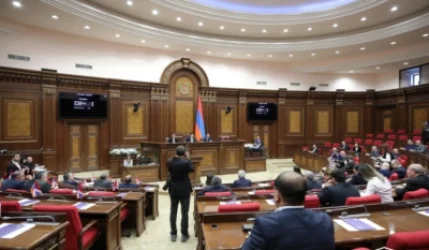
National Assembly Rejects Opposition's Proposal on Border Demarcation

US Continues to Support Prime Minister Pashinyan's Vision for Armenia's Future, Blinken
Ավելին Politics բաժնից

Արփինե Հովհաննիսյանը թվարկել է 2021-2026 թթ․ ընդդիմության գործունեության արդյունքները

Նոր շուկա պետք է մտնել՝ առանց նախկին տնտեսական կապերն ավերելու․ Ծառուկյանը ՔԿՀ-ից
Կառավարությունը «Seaside Startup Summit Armenia 2026»-ի համար հատկացրել է 200 մլն դրամ