Human Rights Organizations Concerned About Deaths in the Armenian Army, U.S. State Department
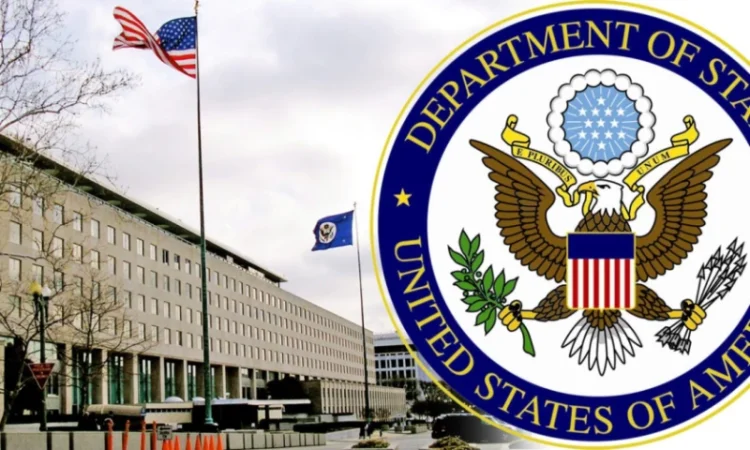
Human rights non-governmental organizations are concerned about fatalities resulting from non-combat operations in the military and the inability of law enforcement agencies to conduct credible investigations into these deaths. This is noted in the U.S. State Department's "2023 Country Reports on Human Rights Practices: Armenia" annual report.
According to civil society organizations and victims' families, the practice of initially classifying most non-combat-related deaths as suicides reduces the likelihood of revealing truth and investigating abuses. Human rights defenders assert that the main obstacle to investigating military fatalities has been the destruction or failure to preserve crucial evidence, both by military command (in cases of internal investigations) and by the special investigative bodies handling the cases.
The report states that the lack of transparency by the government in reporting deaths of military personnel, in both combat and non-combat situations, has led to public distrust in official information in this area.
At the same time, it is noted that law enforcement and the prosecutor's office have not taken any concrete actions regarding the conclusions of a working group established by the Prime Minister of Armenia in 2020, which examined five recent death cases not related to combat before its dissolution in 2022.
According to official information, in one of the cases, investigators declared a search for two individuals. On February 17, the human rights advocate of the working group and the relatives of the deceased released a list of dozens of current and former officials in the justice sector who they believe have been involved in concealing these death cases. On April 25, the European Court of Human Rights (ECHR) ordered the government to pay €50,000 (USD 54,100) in compensation to the mother of Tigran Ohanyan (one of the five investigated cases), confirming that the investigation conducted by the government had serious shortcomings and that the ECHR was unable to address the issue of compensation for damages. The results of this investigation need to be credible, and the explanation for Ohanyan's death in 2007 should be convincing and satisfactory.
Meanwhile, it is noted that there have been "no reports received in the past year that the government or its representatives have committed arbitrary or unlawful killings, including extrajudicial executions."
Նմանատիպ հոդվածներ

Ավելին Politics բաժնից

Ամերիկյան բանկի աշխատակցուհին անջատել է Հռոմի Պապի հեռախոսազանգը

«Արդարացի պատասխան» կտրվի Ռուսաստանին. Զելենսկի

Իրանը վաղ թե ուշ ստիպված կլինի համաձայնության գալ. Թրամփ