Azerbaijan Destroys Shushi's Ghazanchetsots (Old) Cemetery
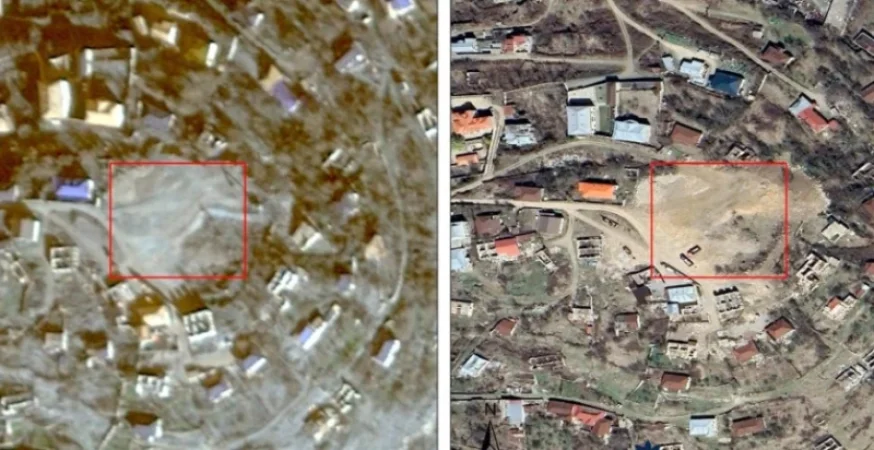
The website monumentwatch.org, which monitors the cultural heritage of Artsakh, alerts about a grave incident. According to the satellite monitoring of the "Caucasus Heritage Watch" initiative, it has been revealed that on April 4, the Ghazanchetsots or Old Cemetery in Shushi was completely destroyed (source, see image 1). The destruction of the cemetery had begun back in October 2023, when the eradication of numerous gravestones from the 18th and 19th centuries was recorded (more details in the report 'Azerbaijan Destroys the Cemeteries of Shushi').
The destruction of historical cemeteries is a clear direction of Azerbaijan's policy in occupied territories, as evidenced by the fact that cemeteries such as the Great Takhli, Sghnak, Shushi's Northern, and Yerevan's Gates cemeteries, as well as a cemetery near the village of Vazgenashen have already been destroyed as a result of this policy.
According to Article 4 of the 1954 Hague Convention for the Protection of Cultural Property in the Event of Armed Conflict, any act of vandalism, theft, looting, appropriation, hostility, or revenge against cultural heritage is prohibited. The first protocol of The Hague in 1954 also prohibits the destruction of cultural or spiritual values in occupied territories.
This deliberate destruction of cultural heritage is condemned by the UNESCO Declaration of 2003 on the Destruction of Cultural Heritage.
It is important to highlight that the destruction of the cemetery can be considered a crime against personal dignity, as interpreted by the Rome Statute, which includes both living persons and the deceased as affected parties. In this sense, it should be noted that the degradation of cemeteries violates the corpses, disrupting the cultural practices for the burial of the deceased, which can be seen as an affront to personal dignity. The destruction of cemeteries infringes upon the cultural rights of Artsakh Armenians, preventing the preservation of memory.
As a reminder, the right to culture is fundamental, enshrined in Article 27 of the Universal Declaration of Human Rights and Article 15 of the UN 1966 International Covenant on Economic, Social and Cultural Rights. The absence of access to heritage and the resulting inability to perform traditional burial rites may deprive communities of the opportunity to keep their rituals alive (See UN General Assembly, Resolution 72/258 (26 January 2021) promoting a culture of peace and tolerance to safeguard religious sites), which also infringes upon the right of unborn children to live according to their life processes.
Նմանատիպ հոդվածներ

Ավելին Politics բաժնից
Ամերիկյան բանկի աշխատակցուհին անջատել է Հռոմի Պապի հեռախոսազանգը
«Արդարացի պատասխան» կտրվի Ռուսաստանին. Զելենսկի

Իրանը վաղ թե ուշ ստիպված կլինի համաձայնության գալ. Թրամփ