Starship Reaches Orbit for the First Time, Fails to Land in the Ocean
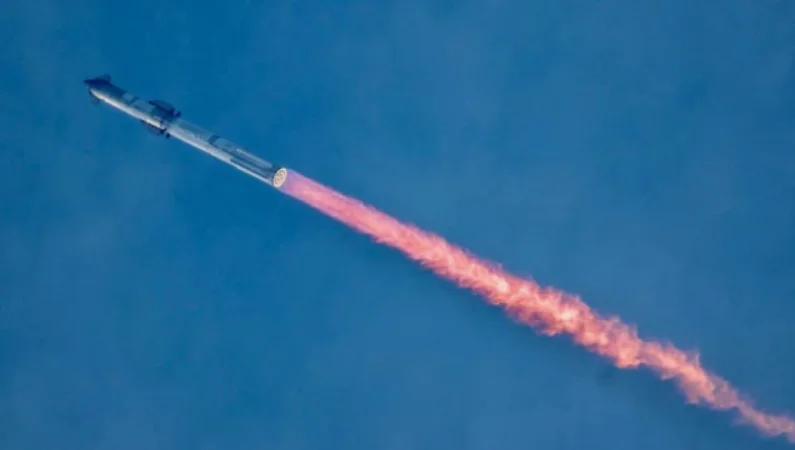
The super-heavy Starship rocket, designed for lunar missions, successfully completed most of its third test flight phases on Thursday. It entered near-Earth orbit for the first time but failed to execute a soft landing in the Indian Ocean.
The stages separated successfully at an altitude of 73 kilometers, but the first stage was unable to land successfully in the Gulf of Mexico, likely due to engine malfunctions.
The second stage ignited all its engines after separation and entered low Earth orbit, after which the engines were turned off. The spacecraft was also able to test, open, and close the cargo bay hatch and transfer fuel from one tank to another. However, as the second stage re-entered the atmosphere, its engines did not reignite. Contact with the second stage was lost at an altitude of 65 kilometers, where Starship was traveling at a speed of approximately 7 km/s. It is presumed that the second stage went out of service and could not execute a soft landing in the Indian Ocean.
Starship was launched at 09:25 Eastern Time (17:25 Yerevan time). The reusable rocket system consists of the Starship spacecraft and the Super Heavy launch vehicle. Its height exceeds 120 meters, making it taller than any other rocket ever built in the world. The Super Heavy booster is twice as powerful as NASA's Space Launch System (SLS) heavy rocket, created for crewed flights to the Moon.
Previous launch attempts for the rocket were made in April and November of last year, both of which ended in failure. The first flight of Starship lasted 4 minutes and ended in an explosion after the stages failed to separate. The second test launch lasted longer, but both stages exploded shortly after separation.
Նմանատիպ հոդվածներ




Ավելին Society բաժնից

«Նուբարաշեն» ՔԿՀ-ում երեք կալանավոր հացադուլի մեջ են մինչև 38 օր․ ՍիվիլՆեթ

Նոր ռազմավարությամբ կվերափոխվեն դատաիրավական և հակակոռուպցիոն ոլորտները

Բաքվից Հայաստան է ուղարկվել 490 տոննա ռուսական ցորեն