According to the Minister of Education, Science, Culture and Sports, scientific activity should be considered a professional and main occupation

The Armenian government has approved the draft decision on "Defining the amount and procedure for granting a monthly allowance for academic degrees to scientific workers engaged in budget financing of basic programs in scientific and scientific-technical activity and working at least a normal duration of working time" at its meeting today. The issue was reported by the Minister of Education, Science, Culture and Sports, Zhanna Andreasian. This was announced by the Ministry of Education, Science, Culture and Sports.
According to the minister, clarifying the remuneration system is an important step towards continuing the policy of development in the field of science. "The indicator of full employment equivalence of actual researchers per 1 million inhabitants occupies an important place in the UN Sustainable Development Goals. This shows the proportion of researchers who have full employment and are engaged in scientific activity. This indicator is quite low in Armenia," emphasized Zhanna Andreasian, noting that the figure is about 830 per million inhabitants, significantly lagging behind other countries, including in the region.
In this context, the minister highlighted the importance of promoting researchers to engage in scientific activity with full employment. Currently, the existing amount of the academic degree allowance is defined by the Armenian government's decision No. 2-N dated January 10, 2008, which was revised in 2015. Accordingly, researchers involved in state programs and topics for scientific and scientific-technical activities funded by the state budget are granted monthly allowances of 50,000 drams for a doctor of sciences and 25,000 drams for a candidate of sciences.
An allowance was granted to the researcher if they were involved in state-funded programs for at least the minimum wage or higher remuneration. Since January 2022, as a result of the government's policy aimed at raising researchers' salaries, even researchers working part-time now earn more than the set minimum wage threshold. A situation was created where all researchers received allowances without any precondition under the current regulations.
The new changes regulate the conditions for granting the allowance for an academic degree while maintaining the same amount (50,000 drams for a doctor of sciences, 25,000 drams for a candidate of sciences). It is specified that only those researchers who have an academic degree, are involved in state-funded basic programs, and work at least with full employment will receive the allowance. "With this approach, the aforementioned mechanism for granting allowances will become an additional incentive for researchers to engage in regular full-time scientific work. This is important for perceiving scientific activity as a professional and primary occupation," said Zhanna Andreasian.
According to preliminary assessments, out of 2,162 individuals with academic degrees involved in programs under the basic funding for scientific and scientific-technical activities from the state budget, about 778 (36%) are working part-time or with a lower load. Zhanna Andreasian expressed hope that this would encourage them to also transition to full-time scientific work. Prime Minister Nikol Pashinyan emphasized that the increase in researchers' salaries is ongoing. "We believe that the potential of researchers is necessary for the Republic of Armenia in a more practical sense. Conditions for being more actively engaged in science have already been created. In 2024, it is planned to purchase scientific equipment worth several billion drams, but they must be used by our scientists to create scientific results," noted Pashinyan.
In response to the Prime Minister's question about the academic degree awarding process, Minister Zhanna Andreasian informed that the new draft law on "Higher Education and Science" has changed the approach to awarding academic degrees from a two-level system to a one-level system. Andreasian also addressed the process of certifying scientific personnel, which aims to encourage more intensive scientific activity. According to the minister, the allowance policy is interlinked with the certification process, which is based on scientific achievements. It is expected that the decision will change the personnel structure of scientific potential and contribute to strengthening personnel in the field of science, ensuring sustainable growth in the number of highly qualified personnel in science and technology, and the effective targeted reproduction of scientific potential, thereby increasing the efficiency of funds allocated from the state budget.
Նմանատիպ հոդվածներ
Ավելին Society բաժնից
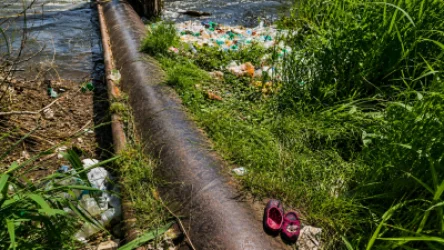
Փամբակ գետում հայտնաբերվել է 7-ամյա աղջկա մարմինը

Փամբակ գետում որոնումները վերսկսել են․ ինչ են գտել

Քաոսային իրավիճակ. հայ վարորդներն անելանելի վիճակում են. «Հրապարակ»