Russia Plans to Ban Unrestricted Export of Gasoline
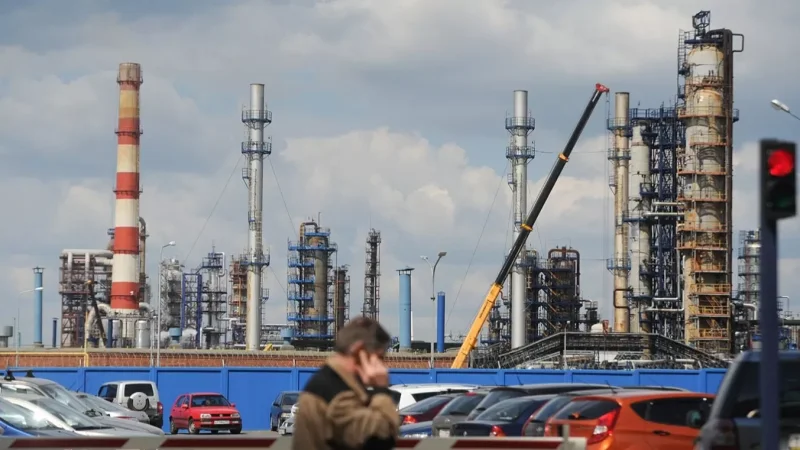
The Russian government is preparing to ban the unrestricted sale of gasoline abroad in order to stabilize the internal fuel market, where prices have increased by 60% since the beginning of the year, reaching historic highs.
Deputy Prime Minister Alexander Novak, who oversees the energy sector, has instructed the Ministry of Energy to consider the possibility of granting licenses for the export of petroleum products, as reported by Interfax, citing a source familiar with the situation.
The ministry had previously proposed to allow fuel exports only for a narrow circle of companies that would be included in an official list of "special exporters." However, the Ministry of Economic Development has opposed the idea, arguing that the publication of such a list could pose risks of sanctions for companies and their agents.
The Ministry of Economic Development suggests implementing licensing instead, and Novak has approved this idea, according to the Interfax source. The Deputy Prime Minister is in favor of limiting the number of exporters of petroleum products.
At the same time, it is still unclear who will be granted licenses and on what basis. Since the beginning of the year, AI-92 gasoline has risen in price by 67% on the St. Petersburg International Commodity Exchange, while AI-95 has increased by 64%. At the end of July, both grades reached historical price records of 64 and 69.7 thousand rubles, respectively.
The growth in diesel prices has accelerated sharply in July, amounting to 23 percent in the last month and a half. In August, diesel fuel prices set records nine times (over 65 thousand rubles per ton on Monday), while fuel oil recorded price increases three times (nearly 35 thousand rubles).
Traders surveyed by Reuters are indicating a shortage of wholesale gasoline, attributing the shortage to cuts in subsidies to oil companies.
Նմանատիպ հոդվածներ
Ավելին Economy բաժնից
Տնտեսվարողները ծանր վիճակում են. «Հրապարակ»

9 եվրոպական երկիր և Ուկրաինան կստեղծեն բալիստիկ հրթիռներից պաշտպանության միասնական համակարգ
Շոգի պատճառով Ֆրանսիան ժամանակավորապես դադարեցրել է 3 ատոմակայանի աշխատանքը