Trade Between Armenia and EAEU Countries Grew by 80 Percent from January to September, Prime Minister
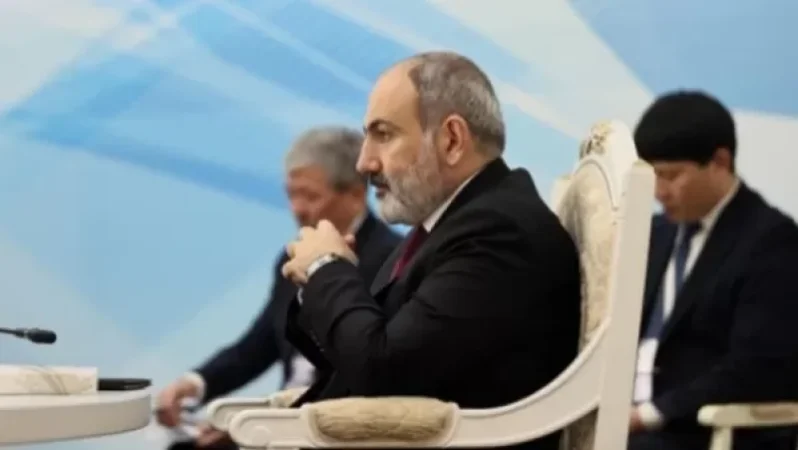
Prime Minister Nikol Pashinyan participated in the regular meeting of the Eurasian Economic Supreme Council held in Bishkek, the capital of Kyrgyzstan. The meeting also included leaders of the member states of the Eurasian Economic Union (EAEU), including Russian President Vladimir Putin, Kazakh President Kassym-Jomart Tokayev, Belarusian President Alexander Lukashenko, and Kyrgyz President Sadyr Japarov. The Prime Minister of Uzbekistan, Abdullo Aripov, a country with observer status in the EAEU, also attended the expanded format meeting.
The leaders of the EAEU countries were welcomed by the President of Kyrgyzstan at the Ala-Archa State Residence in Bishkek, after which a joint photo session took place. Initially, a narrow format meeting was held, followed by an expanded one.
In his speech, Prime Minister Pashinyan mentioned, "Before addressing the key issues on the agenda, I would like to note that the economic development of the EAEU countries has been progressing under difficult conditions in recent years. The current situation undoubtedly impacts the main economic indicators of all member states, and at this challenging time, we must concentrate our efforts to maximize the impact of Eurasian integration considering the national priorities of socio-economic development. Despite the existing circumstances, I am pleased to note that there is a trend of growth in mutual trade. Armenia's trade turnover with EAEU countries from January to September of this year surpassed $3 billion, representing an increase of almost 80 percent compared to the same period in 2021."
Dear colleagues,
Continuing our discussions on the key agenda items in a narrow format, I would like to raise a number of urgent matters for the economic union. Industrial cooperation is an important element of economic integration in the Eurasian region, and we must focus our efforts to promote all promising enterprises. In this context, today we are launching a new mechanism for financial support of industrial cooperation. I am confident that this financing tool will contribute to the technological development of our states.
Together with the Commission, we have begun to implement a roadmap within the framework of the climate agenda. For Armenia, the topics of 'green' technologies and environmental protection are particularly relevant. By developing 'green' energy, Armenia is actively harnessing renewable energy sources. Measures are being taken towards the decarbonization of the metallurgical industry. We encourage the use of electric transport in every way possible.
Partners, I would like to draw your attention to the issues of food security. From this perspective, in order to ensure the stability of internal markets of the EAEU member states this year, indicative balances of key agricultural products have been compiled. This is an effective tool for rapidly determining the needs and opportunities for mutual supplies within the Union. I also note the Commission's work on forming a portfolio of investment agro-industrial projects, which can serve as an effective instrument for developing cooperation and import substitution.
It is extremely important for the successful implementation of the Eurasian agenda to find mutually acceptable solutions on all issues. In this regard, the Armenian side considers it a priority to consistently implement agreements aimed at the creation of common markets for energy resources. In particular, the formation of a common gas market remains a sensitive issue for us. Thanks to the path of constructive dialogue and finding compromise solutions, we managed to achieve a high level of preparedness for the draft international agreement on the formation of a common gas market. However, given the complexity of the process, and the need to consider the different capabilities and interests of countries in the energy sector, a number of unresolved issues remain.
We are ready to demonstrate a flexible approach to achieve consensus and balance the interests of all EAEU member countries on unresolved issues in order to fully utilize the advantages and potential of the Union's common gas market.
I would like to note that by the end of this year, the Commission, together with the governments of the member states, has demonstrated high-level work towards balancing the Union's internal market, ensuring the proper coordination of national and supranational interests in this challenging time.
In turn, the proper-level digital transformation of supranational regulatory priority areas, such as information security, will create grounds for confidence between the member states of the Union. By continuing the transition of the integrated information system to the digital platform, we will be able to create the necessary conditions for forming a robust infrastructure that ensures the free movement of goods, services, capital, and labor.
In this context, we see a high demand for developing a systematic document that indicates new priorities for the development of the Union's internal market. I believe that such a document would help reveal the full potential of our internal market, making it stronger.
Another important direction of our cooperation is the development of trade and economic relations between the EAEU and third countries and unions. The implementation of the trade and economic agreement with China, the agreements on free trade with Iran, Singapore, and Serbia, as well as ongoing negotiations on free trade agreements with Egypt, the United Arab Emirates, Israel, India, and Indonesia, will provide additional impetus to the Union's integration process within the global economy. This, in turn, will lead to an increase in the volumes of EAEU goods exports, diversification of external markets, attracting investments, and creating a favorable environment for international economic partnerships with third countries.
In the context of successfully integrating into the global economic architecture and establishing mutually beneficial ties with third countries, we attach great importance to the main directions of the EAEU's international activities in 2023. This document serves as a kind of 'foreign economic strategy' and speaks to the broad fields of cooperation for the coming year.
Dear meeting participants,
It is undoubtedly possible to state that our joint efforts are bringing practical results, and we feel the positive impact of integration, which becomes possible thanks to the well-coordinated cooperation of the member countries of the Union. The past year has been a jubilee year for the Eurasian Economic Commission. Over these ten years, it has undoubtedly become the initiator of several important decisions for the member states of the Union. In this regard, let me express my gratitude to all members of the Commission, led by Mikhail Myasnikovich, for their worthy contribution to the development of the Eurasian Economic Union.
In conclusion, I would like to thank everyone once again for their active cooperation in 2022 and wish success to the Russian side that has assumed the presidency in the Union's bodies. Taking this opportunity, allow me to once again reaffirm the Armenian side's commitment to the principles and objectives enshrined in the EAEU treaty and readiness for active cooperation with all member countries to promote the further advancement of Eurasian integration. Thank you for your attention.
Նմանատիպ հոդվածներ
Where Could the Possible Meeting Between Pashinyan and Aliyev Take Place? Secretary of the Security Council Clarifies
Papikyan and Shoigu Meet; Military Cooperation Program Signed
Armenia and Azerbaijan Reach Agreement on One Point of Peace Treaty, Grigoryan States What It Is
Putin Holds Phone Conversation with Aliyev: Details
Ավելին Politics բաժնից
Թրամփը Իրանի նկատմամբ «եռակի հաղթանակ» է տարել. ԱՄՆ նախարար
Իրանը ձեռնարկել է աննախադեպ անվտանգության քայլեր
ՏԵՍԱՆՅՈՒԹ. Ղարաբաղն ու Ուկրաինան փոխել են պատերազմի կանոնները․ Հունաստանի ՊՆ