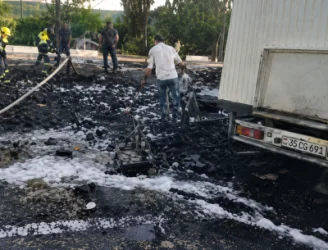
Refugees in Their Own Village: Radio France Internationale Reports on Divided Armenian Shurnukh
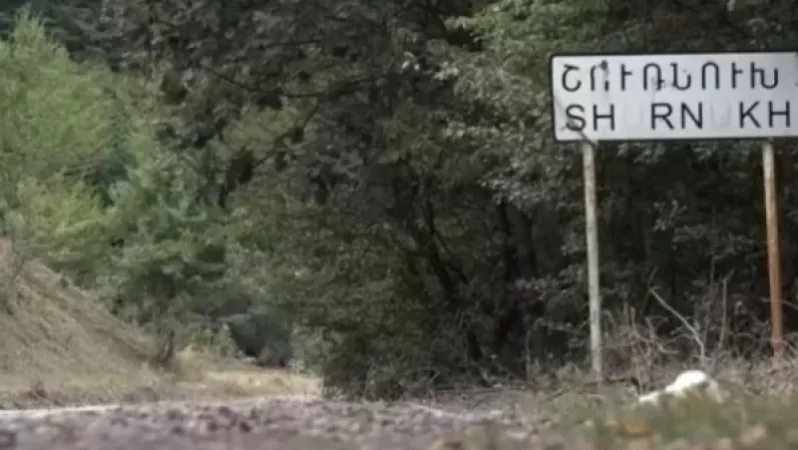
Radio France Internationale has conducted a comprehensive review of the changes to the borders between Armenia and Azerbaijan following the second war in Artsakh, particularly focusing on the Armenian village of Shurnukh, which has been divided into two parts as a result of the conflict.
The special correspondent for RFI has reported how locals have become refugees in their own village, while waiting for the delimitation of the borders, Tert.am reports.
“There is no future anymore,” said 34-year-old Vardishagh when the new year 2021 began. It was just three days before Christmas when 12 families from Shurnukh were forced to leave their homes at the request of Azerbaijanis. On January 5, when divine light enters every Armenian household, 12 homes were vacated, falling under the shadow of darkness.
The war, which ended with the signing of a contract between Baku and Yerevan on November 9, with the mediation of Moscow, has led to the division of the village into two parts. The border is drawn along the main road leading to southern Armenia. The lower part of the village is now considered Azerbaijani territory, marked by a sign in Azerbaijani: “Qubadlı District, Shurnukh Village, Republic of Azerbaijan.” Just fifty meters away are soldiers from three nations—the border forces of Armenia and Azerbaijan, and Russian peacekeepers in between.
For six months now, Vardishagh Movsesyan, along with her husband and three children, has moved to the upper part of Shurnukh. A neighbor who went into military service provided them with his apartment. Now the family looks out from their home, located just 20 meters away, at the window of another house, while the flag of Azerbaijan waves on the other side of the road.
The residents of Shurnukh hope that during the border delimitation, the soldiers will move aside, allowing for a neutral zone to be established. “We just don’t want to see them here,” Vardishagh says. “When I talk about the house, I don’t mean the building but the land, half of our native Shurnukh. Half of my heart is gone. Now it’s summer, and it’s not very visible behind the foliage, but in winter, it was horrifying to see the soldiers walking in our garden among the naked branches. I’ve left memories and dreams there…”
Vardishagh teaches Armenian language and literature at the local school, where only 20 students are enrolled. Four of them are refugees from Nagorno-Karabakh. Her eight-year-old son is also studying there, in a class of three students.
“I really miss my home. I left my ball there, and our photos are still on the walls,” the boy says.
According to Vardishagh, it’s possible to go back if they ask the Armenian border guards, who in turn would ask the Russians, and the Russians would ask the Azerbaijanis. “But we haven’t requested anything. We won’t ask for anything. Let our children’s toys and the fruits of our garden remain there. Instead, let us educate our children with dignity, strengthen ourselves, and take back our land. We are hopeful. That’s always how it is; after emptiness, the soul is filled with hope,” Vardishagh says.
Refugees in their own village: this is what the residents of Shurnukh now call themselves as they have left an entire life on the other side of the road. They are ready to endlessly recount their experiences, especially to guests who rarely come here.
“People are afraid to come here now,” says 60-year-old shepherd Sasun Alumyani, who lost his home, beehives, and herd due to the war. He recalls painfully the frostbitten and dead sheep, the lost beekeeping hives, the cows left without pastures, the solitary blooming roses, and his eight grandchildren who once played in the garden and now fear to visit their grandfather.
“And where would they go?” says Sasun, pointing to a rusty iron shed where he and his wife have been living since the beginning of the year. “I bought it on credit. It’s extremely cold here in winter, and in summer it feels like you’re in an oven,” says the shepherd.
Նմանատիպ հոդվածներ
We Will Kill You Everywhere: Details from the Victim of the Azerbaijani Attack
Residents of Tegh Village Collecting Tires to Block Goris-Stepanakert Road, Says Zhanna Aleksanyan
Armenian Soldier Found with Grenade in Reclaimed Position in Gegharkunik
What Azerbaijanis Demand and the Situation at Armenia's Borders: Details
Ավելին Society բաժնից
Ինչ իրավիճակ է փլուզումից հետո. նոր մանրամասներ
Կամրջի փլուզումից հետո մեկնարկել են վերականգնման աշխատանքները
«Գայի պոստի» մոտ գտնվող կամուրջը «պայթել» է