A 'Mysterious' Dinner in Honor of Makunts Held at US Ambassador Lynn Tracey's Residence

The European Union and the United States have been actively working over the past two months on Armenia's shift in foreign policy and the possibility of cutting ties with Russia or completely removing Russia from the South Caucasus. This has been a topic of discussion among various expert and political circles for an extended period.
According to 168.am, a 'mysterious' dinner was held the day before at the residence of US Ambassador to Armenia Lynn Tracey. The dinner was reportedly organized in honor of Lilith Makunts, who is set to be appointed as Armenia's ambassador to the United States. Among the attendees were the head of the EU delegation in Armenia, Ambassador Andrea Victorin, as well as several other Western diplomats.
Throughout the event held in honor of Makunts, the ambassadors were seen to be nurturing and preparing her for her upcoming mission in the United States, conducting what could be termed a 'geopolitical training' for Makunts. They explained the significance of shifting Armenia's foreign policy orientation and attempted to convey the extent of the recent Western support for Armenia, highlighting recent interactions such as Secretary of State Antony Blinken's phone call to Yerevan, French President Emmanuel Macron's gestures of goodwill towards Armenia, and European Council President Charles Michel's visit to the country.
According to our source, the diplomats emphasized the historical opportunity that has arisen for Armenia to finally detach from Russia and shift towards a Western vector, stressing the crucial mission Makunts would have in realizing this with the support of the United States.
This means that the geopolitical shift, which has been discussed by several political figures and experts for some time, is gradually taking concrete form, with Western diplomats actively working on geopolitical rearrangements in the region.
It is also noteworthy that the Western diplomats have indicated that if this government meets their expectations, they will largely overlook anti-democratic manifestations in Armenia, such as illegal detentions, fabricated criminal cases, attacks, and pressures on local self-government leaders, and so forth. In other words, Western support for Nikol Pashinyan's government is conditional on a change in the foreign policy vector, with the West having concrete hopes pinned on Pashinyan’s administration, for which they are prepared to turn a blind eye to the glaring anti-democratic events occurring in the country.
Նմանատիպ հոդվածներ
Ավելին Politics բաժնից
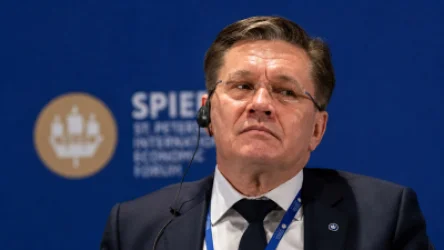
Վաշինգտոնից ճնշում կա, բայց փակ հանդիպումներում դիրքորոշումն այլ է․ «Ռոսատոմ»-ի ղեկավար
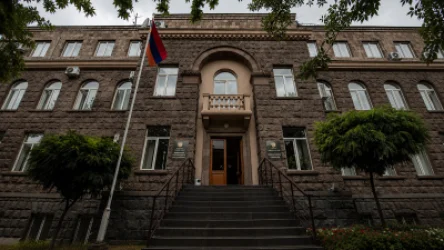
ԿԸՀ-ի պարզաբանումը ՍԴ-ում․ 17 հազար անվավեր քվեաթերթիկի պատճառները չեն վիճակագրվել
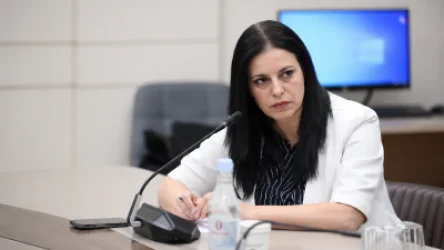
ՔԿ-ն և ԱԱԾ-ն սարսափելի արարք են կատարել Անդրանիկ Թևանյանի գործով․ Արեգնազ Մանուկյան