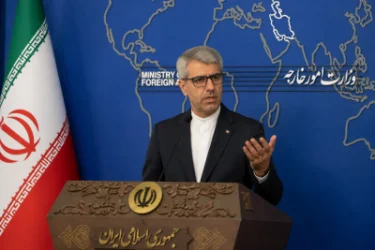
Yerevan Disagrees with Moscow: What Did Pashinyan's Response Mean?
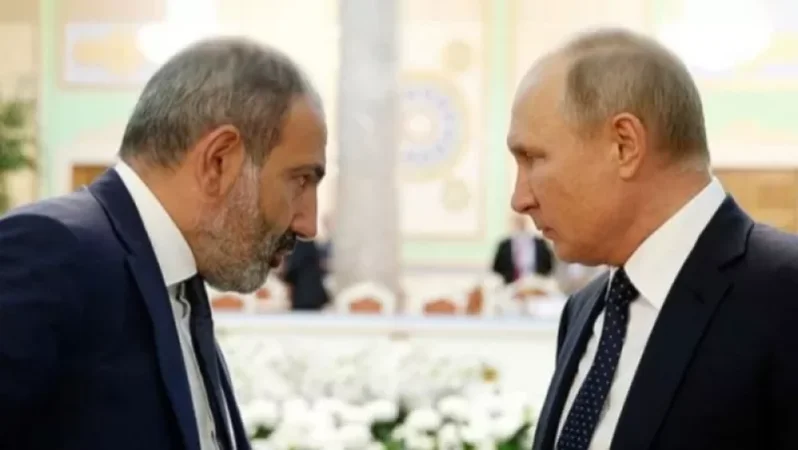
Acting Prime Minister of Armenia, Nikol Pashinyan, stated during a government meeting that he continues to believe that Azerbaijan is trying to hinder the implementation of the provisions of the trilateral statement of November 9. He addressed the regional situation and noted that it remains tense and poses security risks for Armenia and Artsakh. However, Pashinyan's comments were more of a response to the Putin-Aliyev meeting that took place in Moscow on July 20.
Following that meeting, Russian President’s spokesperson Peskov spoke to reporters about the positive progress in the trilateral format’s work. By expressing his disagreement with Moscow's viewpoint, Pashinyan indicated that he believes Baku is actually obstructing progress within the trilateral framework.
Of course, Peskov's statement does not unequivocally imply that Moscow genuinely thinks that the work is moving positively forward. Ultimately, even if Moscow had a contrary assessment, it would not publicly acknowledge or express it, as that would require admitting its own incapacity, putting it in a position of direct responsibility to either confess its inability to manage and promote the trilateral format or to take steps in that direction. This would mean exerting pressure either on Azerbaijan or, according to Azerbaijan's agenda, on Yerevan. Each of these options carries significant complications and risks for Russia today.
It is at this juncture that there may gradually emerge certain motivations for Russia to consider 'sharing' these risks within the framework of the Minsk Group co-chairmanship. It is undoubtedly clear that Turkey is willing to share the Caucasus and any other sphere of influence with Russia, but is entirely uninterested in sharing Russia’s risks. The whole question is what conditions Washington and Paris are prepared to accept in order to alleviate Russia's risks, and whether Moscow is ready to meet those conditions.
Նմանատիպ հոդվածներ
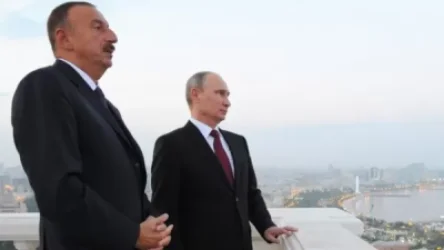
Aliyev's Purpose for Moscow Visit Revealed: Official Kremlin Confirms
Lavrov: Our Closest Neighbors and Fraternal Peoples Are Being Forced to Choose Between the West and Russia
Lavrov Expresses Concern Over Erdogan's Statement
Pashinyan as Prime Minister, Karapetyan as Defense Minister, Narek Mkrtchyan as Minister of Labor and Social Affairs: Presidential Appointments
Ավելին Politics բաժնից
Կարևոր ուղերձ՝ ՌԴ–ՀՀ հարաբերությունների ֆոնին
ՌԴ-ն պնդում է` ամերիկյան միջուկային զենքը պետք է դուրս բերվի Եվրոպայից
Վերահաշվարկից հետո կուսակցությունների ձայների հաշվեկշռում փոփոխություններ են արձանագրվել