Azerbaijan Must Stay Vigilant: Not Enter Dangerous Game, Says Iranian Ambassador
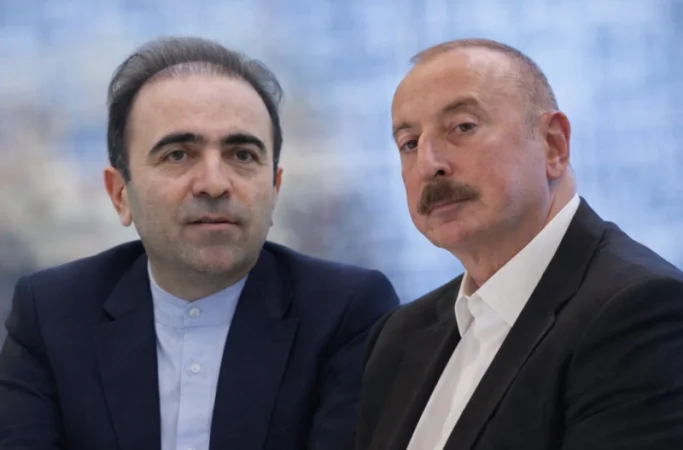
In an exclusive interview with News.am, Iran's Ambassador to Armenia, Khalil Shirgholami, discusses the ongoing war against Iran and potential developments.
Ambassador, do you think this war has the inclination to become prolonged, or is it realistic to expect its conclusion in the coming weeks?
The duration and timeframe of the war are not issues for Iran. What is important is to create a situational arrangement in which aggressors understand how costly and severe the consequences of waging war against Iran may be, ensuring they never consider aggression again. The end of the war depends on the aggressors; they must cease their aggression and guarantee that such actions will not be repeated. We will continue self-defense as long as necessary and have no concerns regarding time. Therefore, the war could end very quickly or last for weeks, even months. Iran is prepared for all possible scenarios.
Under what conditions would Iran agree to a ceasefire?
Based on the experience of the 12-day war, Iran will not agree to an early and incomplete ceasefire; a ceasefire under pressure where there is no commitment to refrain from future aggression is unacceptable to Iran. Any agreement on a ceasefire must be a written document based on guarantees of non-aggression and must also include a clear resolution of the damages Iran has suffered.
Recently, Turkey accused Iran of firing ballistic missiles toward its territory; this is the third similar incident already. Tehran assured Ankara that those missiles were not fired from Iranian territory. What is happening in this case? Are there assumptions about where they could have been launched from and for what purpose?
In this war, we have witnessed numerous deceptive provocative actions aimed at creating problems between Iran and its neighbors. Such incidents have occurred in Nakhchivan, Oman, Saudi Arabia, and Turkey. The missiles that fell in Turkey should also be viewed in this context. Some of these incidents were backed by Israel, while others had different actors involved in the Persian Gulf region. We have repeatedly stated that U.S. military bases in neighboring countries, which are used for offensive operations against Iran and to back them, are legitimate targets for our counterstrikes. Their aim is to prevent aggression against Iran and to organize the country's self-defense. We do not consider strikes against these bases as attacks on our neighbors. Undoubtedly, these countries should take responsibility before the Iranian people, as attacks on Iran have been launched from their territories, leading to the deaths of hundreds of Iranian citizens. They are in a position of responsibility, not one of claimants.
The drone strike in the Nakhchivan region has raised tensions in Iran-Azerbaijan relations; Aliyev even threatened to take countermeasures, although Tehran also assured that drones had not been launched from Iran in this case. Was such a reaction unexpected for Tehran, and what was it due to?
The initial reaction from the Republic of Azerbaijan was emotional, hasty, and unwarranted. Logic dictates that an investigation should have been conducted first, and only after the results were revealed should a position be taken. Of course, shortly thereafter, they realized their stance and haste were mistaken and attempted to rectify the situation. Overall, a rigid and hasty position is an unfriendly and provocative behavior. Most likely, some anti-Iranian elements contributed to the establishment of this hasty posture.
Is the issue resolved between Tehran and Baku now, or is it still too early to say?
Yes, the misunderstanding that arose has been cleared up. The Iranian side reiterates that the Azerbaijani side should not succumb to the influence of Iran's enemies and should not enter a destructive and dangerous game. Iran considers it its duty to maintain security and stability in the South Caucasus, while the presence of U.S. and Israeli elements disrupts regional security and stability. Therefore, the Republic of Azerbaijan must remain very vigilant.
There are assumptions that the U.S. and Israel are pushing Azerbaijan and Turkey to join the war against Iran. Do you see such a trend?
It is possible that the aforementioned provocations aimed to draw the Republic of Azerbaijan and Turkey into the conflict. Therefore, these countries must be prudent. Turkey realizes that the goal of the U.S. and Israel through this war against Iran is to establish Israel's hegemony in the region and promote the 'Greater Israel' agenda, viewing this aggressive war against Iran as a significant component of that puzzle. For this reason, Turkey must be careful not to fall victim to the conspiracy aimed at weakening Iran, carried out by the Zionists. Azerbaijan must also remain particularly vigilant, as any involvement driven by the influence of Iran's enemies will yield no results other than harm.
Recently, the President of Azerbaijan reiterated that their territory would not be used under any circumstances in the war against Iran. Has this assurance fully alleviated Tehran's concerns?
We hope that this assertion will be fully implemented. According to the Iranian side's assessment, at present, Azerbaijan's territory has not been used against Iran during the war. This also contributes to the preservation of that country's security and stability. We are closely monitoring all actions taken by the U.S. and Israel against Iran, their sources of origin, and the support they provide in that direction.
What expectations does Iran have from neighboring countries, including Armenia, regarding the current situation?
From neighboring countries, including Armenia, as well as the entire international community, we expect them to warn against the illegal and inhumane acts of the U.S. and Israeli regimes that imply aggression, preventing their unlawful actions from endangering global and regional order and security, as well as the stability of the global economy. There is a certain danger that the expansion of this war will impact various other regions.
Iran has repeatedly expressed concern about the establishment of TRIPP through Armenian territory. Recently you stated that Tehran received assurances from the Armenian government that the territory of Armenia would not be used against Iran and that TRIPP would not pose a threat. Now, with the U.S. having initiated a war against Iran alongside Israel, has Tehran's position on TRIPP changed, and have concerns on this issue increased?
In discussions regarding TRIPP, we maintain the principle of not making prejudicial judgments and base ourselves on mutual trust between Iran and Armenia. Naturally, the aggressive and hostile posture of the U.S. towards Iran makes us sensitive to any type of American presence near our borders. At the same time, the Armenian authorities have repeatedly stated that they will not allow this route to take on a security or military nature. We hope that ongoing consultations will lead to the effective utilization of transit opportunities for Armenia while alleviating concerns related to Iran's security.
Նմանատիպ հոդվածներ
Baku Promises to Respond to Attack on Nakhchivan: Azerbaijan's Ministry of Defense

Baghdasaryan Responds to Reports of Missile Strike on Pashinyan's Property in Dubai
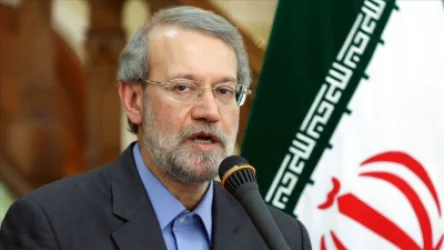
Iran's Security Chief Ali Larijani Killed in Israeli Strike

If a person receives 500,000 drams, even 3 times in one month, it does not need to be declared
Ավելին Politics բաժնից
Իսրայելական բանակը հրահանգ է ստացել Նեթանյահուի կողմից․ ինչ է սպասվում

Բաքվից նոր ազդակ․ Ղահրամանյանն ահազանգում է

ՀԷՑ-ի 100% բաժնետոմսերը կճանաչվեն հանրության գերակա շահ․ նախագիծը պատրաստ է