Czech 'Arnika' Conducts 'Research', Targeting Particularly Armenia: HMMA
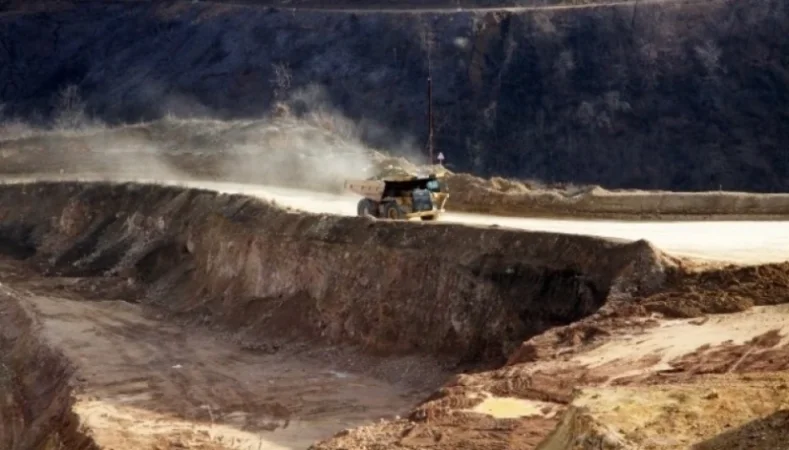
The Association of Mining and Metallurgy of Armenia (AMMA) expresses concern over the activities of dubious foreign organizations in Armenia.
“The AMMA has examined the recent publications and activities of the Czech public organization 'Arnika' in Armenia and expresses serious concerns regarding their professional level, transparency, and objectives. While the AMMA values independent environmental research, such activities must strictly adhere to national legislation, scientific ethics, transparency standards, and serve the interests of the citizens of the Republic of Armenia.
For several years now, the Czech 'Arnika' has been conducting 'research', particularly targeting Armenia rather than, for instance, Azerbaijan. It appears that this organization aims to present the Armenian mining sector as a 'polluting' source in the region, using this unfounded narrative to serve not environmental, but political interests of third parties.
It is particularly concerning that recently, financed by international grant programs, local NGOs have participated with 'Arnika' in collecting biological samples in the Syunik region—specimens from soil, water, and citizens. Setting aside the political and geopolitical motivations and potential consequences of such selective activities, we cannot ignore the serious professional issues involved.
In 'Arnika's' publications, there is a lack of clear information regarding data collection procedures, criteria, control, and validation mechanisms, as well as scientific justifications for the conclusions presented. Such research, and particularly conclusions, require years of work: baseline data collection, examination of all possible sources of pollution, comparative analysis, seasonal and area monitoring to record possible changes over time, and convincing scientific arguments regarding the actual causes and sources of results. This demands several years of effort.
It is hard to imagine that 'Arnika', presenting itself as a professional organization, is unaware that one cannot conduct 'research' based on a few days of sample collection and subsequently draw conclusions from it. Therefore, such an approach hints at possible other objectives.
Even more alarming is the fact that 'Arnika's' unverified data is actively used and spread by Azerbaijani media and propaganda platforms to accuse Armenia of causing regional environmental damage. The periodic emergence of such materials in political and geopolitical contexts raises serious doubts that these so-called ‘researches’ are purely scientific and could serve other purposes.
In this context, the AMMA calls the attention of relevant state bodies in Armenia to this issue. The collection and exportation of biological and environmental samples, especially regarding human biological materials, must be under strict state control, legal regulation, and total transparency. We also consider it appropriate to raise the following fundamental question: Would it be acceptable for the Czech Republic to allow Armenian civil organizations to collect biological samples from Czech citizens, for instance, around many coal mines in the Czech Republic, export them from the country without clear oversight regarding data collection, methodology, and purpose, and then use these materials for scientifically unfounded publications that could damage the Czech Republic's reputation and economically significant sectors? Such an approach would be unacceptable for any state.
The AMMA urges that the oversight of foreign NGOs operating in Armenia be tightened, particularly regarding the collection of biological and environmental samples without appropriate oversight and permits, leading to the dissemination of unverified, arbitrary interpretations of information that harms the national interests of Armenia. The mining sector of Armenia is a vital component of the national economy and operates within the framework of national legislation and sectoral regulations. Any criticism of the sector must be based on verified facts, professional standards, and genuine scientific studies within the confines of the legislation, regulations, and full oversight of the Republic of Armenia.
Նմանատիպ հոդվածներ


Ավելին Society բաժնից

Ուսուցիչներն ու ծնողները պահանջում են վերանայել քիմիայի միասնական քննության արդյունքները և դիմորդներին երրորդ հնարավորություն տալ
Արման Բաբաջանյանին մեղադրանք է առաջադրվել, գործը դատարանում է
Ադրբեջանը խստացնում է սոցցանցերի կանոնները