Security Threats Facing Armenia Extend Beyond External Factors, Suren Surenyan Says
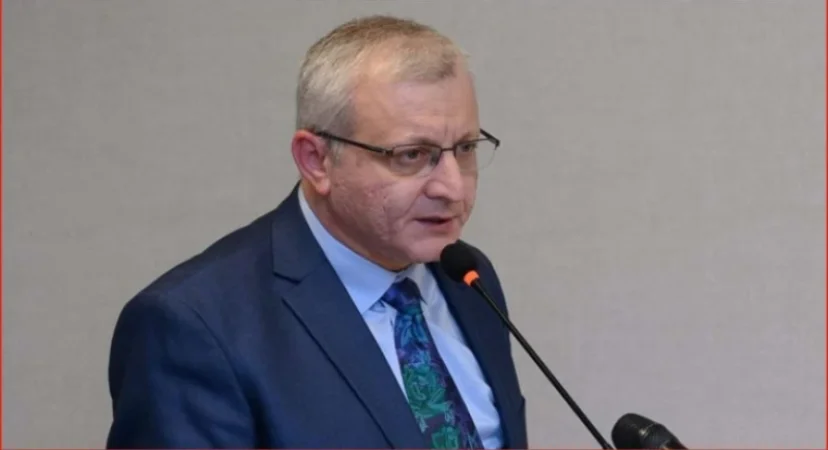
Political scientist Suren Surenyan writes: “Political falsehood as state policy is encapsulated in the narrative that ‘Artsakh was surrendered long ago,’ which has become a key component of the discourse systematically propagated by the authorities in recent years. This narrative serves to justify decisions made in hindsight and shifts political responsibility for defeat. Defeat is presented as a predetermined and unavoidable reality, thereby pushing the role of political agency and the quality of decisions out of public discourse.
The consistent application of this narrative shapes a dangerous perception in public consciousness; the effectiveness of state governance is portrayed as secondary, as if there was initially no other outcome possible. Such a mindset particularly takes root in social environments lacking political education and where critical thinking is underdeveloped. As a result, defeat is normalized, while the question of accountability becomes blurred.
Consequently, public discourse focuses not on analyzing mistakes but on ‘inevitability,’ which may hinder the development of political consciousness. However, the situation fundamentally shifts when the same thesis is echoed by ruling faction deputy Gagik Melkonyan, who previously served as Deputy Minister of Defense during the period characterized by the current governmental narrative as the 'Artsakh surrender' era. In this case, we are dealing with an outright rejection of political responsibility. If Artsakh was ‘surrendered long ago,’ then the official’s public service either has been formal and meaningless, or it was consciously embedded in a defeatist framework.
This approach indicates a broader systemic and institutional crisis within the ruling elite. Politicians who retrospectively reject responsibility for the processes that occurred during their tenure effectively lose legitimacy and become a mechanism for self-justification. Political falsehood evolves into a tool of governance.
In the same vein, the public behavior of the authorities, led by Nikol Pashinyan, is also significant, particularly as the regional security environment, including dangerous developments around Iran, necessitates greater political centrism and responsible governance. In such circumstances, the frivolous and inappropriate actions displayed in the public sphere deepen the dissonance between state thinking and real security threats.
As a result, a systemic problem forms: the government normalizes defeat, transforms responsibility into verbal manipulation, and statehood into a narrative serving short-term political interests. Under such conditions, Armenia’s main security threat is not limited to external factors. It is also rooted in the institutionalization of political falsehoods created within the government, which undermines the foundations of state accountability and self-awareness.
Նմանատիպ հոդվածներ
Ավելին Politics բաժնից
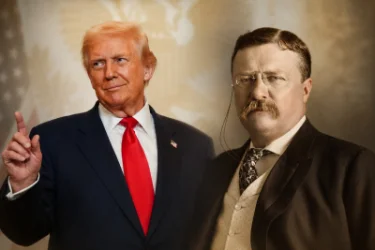
Թրամփը զրուցել է ԱԲ-ով «վերակենդանացված» ԱՄՆ նախկին նախագահի հետ
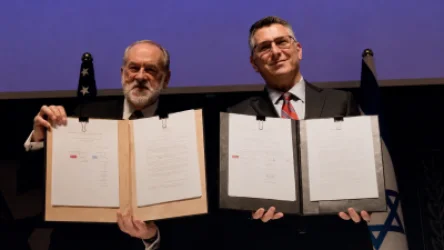
ԱՄՆ-ն ամրապնդում է ներկայությունը Երուսաղեմում․ Իսրայելի հետ նոր համաձայնագիր է ստորագրվել
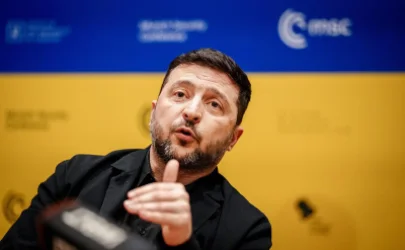
Զելենսկու հայտարարությունը. Ռուսաստանի տնտեսական խնդիրները նվազեցնում են զանգվածային հարվածները