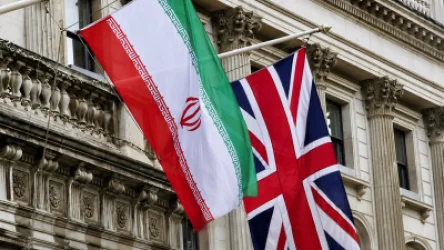
Countries Refusing to Join Trump's 'Peace Council': FT
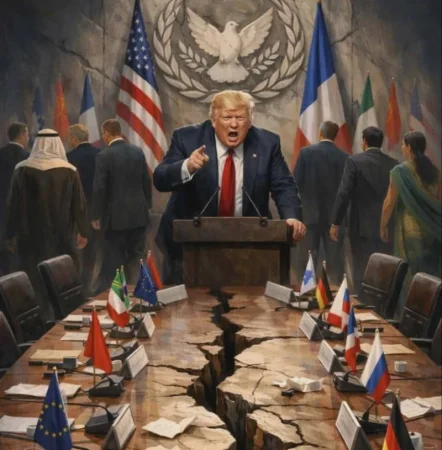
The initiative to create a 'Peace Council' proposed by U.S. President Donald Trump has faced significant resistance from numerous invited countries, according to the Financial Times, citing diplomatic sources. A number of countries have declined to participate, citing uncertainty regarding the initiative's goals, composition, and legal status.
According to sources, a primary reason for the lack of trust is Trump's decision to include Russian President Vladimir Putin in the council. This move has raised concerns, especially among European and regional partners, who see a risk of politicization of the initiative and circumvention of existing international mechanisms. Some diplomats have pointed out that the new body may duplicate or weaken the role of the UN in conflict resolution processes.
France was among the first to decline the invitation. President Emmanuel Macron has stated that the council's powers and responsibilities are unclear. Germany has taken a more reserved stance, indicating that potential participation would only be discussed if the body’s operations fully align with international law and do not contradict existing institutions.
A cautious response has also come from Ukraine. President Volodymyr Zelensky noted that it is hard to envision collaborative work in a format that involves Russia and Belarus. He emphasized that any diversion from the Ukrainian agenda during wartime is concerning for Kyiv. At the same time, Ukraine has not given a clear answer regarding joining the council.
Additionally, Norway has also refused to join the Gaza 'Peace Council', as stated by the Undersecretary of the Prime Minister's office. He noted that Norway believes that proposals for resolution should be framed within existing structures, such as the UN.
The Finance Minister of Canada has stated that Ottawa does not plan to pay one billion dollars to secure a permanent seat on the 'Peace Council'. Notably, Trump announced the creation of the 'Peace Council' on January 16, emphasizing its potential role in the post-war governance of Gaza.
Նմանատիպ հոդվածներ
Ավելին Politics բաժնից
Զինծառայողի մահվան գործով կրտսեր սերժանտի և շարքայինի նկատմամբ կալանք կիրառելու միջնորդություն է ներկայացվել
Զախարովան ահազանգում է Պարսից ծոցում լարվածության սրման մասին
ԱՄՆ-ում ստուգում են՝ արդյոք Ռուսաստանն աջակցել է Իրանի հարձակումներին