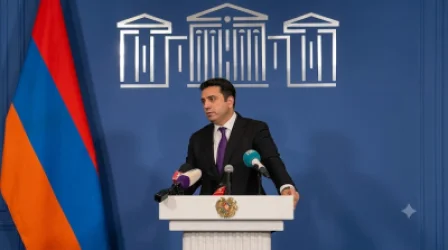
Will Azerbaijan Replace Russia in Armenia's Fuel Market? - Deutsche Welle

The import of gasoline from Azerbaijan to Armenia marks a step towards diversification, but will it reduce Yerevan's energy dependence on Moscow, or will it remain a symbolic gesture amid political agreements? This is discussed by Deutsche Welle.
On December 19, a train carrying 1,300 tons of AI-95 gasoline arrived in the country, marking the first batch from Azerbaijan's state company SOCAR.
Observers believe that this event signifies a fundamental change in the geopolitical landscape of the South Caucasus; Yerevan and Baku are transitioning from passive transit to active trade while simultaneously testing the strength of Russia's traditional economic dominance in the region.
Following this precedent, the main question arising in Armenia is how realistic it is for the country to replace Russian energy with Azerbaijani supplies, or at least significantly reduce its dependence on Russia, which many in Yerevan regard as a tool of political pressure.
Statistics show that complete independence from Moscow is still far off. In 2024, Armenia imported 489,100 tons of petroleum products. Russia remained the dominant supplier, holding a 61.2% market share, followed by Iran (6%), Malta (5.9%), Bulgaria (4.9%), and Greece (4.6%). Against this backdrop, the first batch from Azerbaijan (1,300 tons) seems like a drop in the ocean, covering less than 0.3% of the country’s annual needs.
The arrival of the Azerbaijani train has provoked a strong reaction in Armenia, highlighting the divisions that persist in society following decades of conflict.
The opposition is calling the deal a de facto concession of national interests. According to the agency, the diversification of Armenia's energy market aligns with the overall logic of Yerevan's rapprochement with Brussels. Brussels has consistently advocated for the unblocking of transport and economic links between Yerevan and Baku, seeing it as a foundation for long-term peace and a potential way to reduce energy dependence on Russia.
However, no one can yet predict whether the first batch of Azerbaijani petroleum products will mark the beginning of long-term economic cooperation between Armenia and Azerbaijan, given the lack of diplomatic relations and a complete peace agreement. Currently, cooperation is operating under a trial regime. Pashinyan has already highlighted logistical challenges, mentioning unresolved issues related to transit tariffs through Georgian territory.
Նմանատիպ հոդվածներ
Manipulation by the 'Shapeists Movement': The Thieves from the People Talk About Poverty, Torosyan
Pashinyan Thanks Putin for Supporting Peace Process Between Yerevan and Baku
Former Deputy Head of the State Revenue Committee Vahagn Mirumyan Arrested
Former High-Ranking Official of the State Revenue Committee Arrested for Abuse of Official Power
Ավելին Politics բաժնից
ՏԵՍԱՆՅՈՒԹ․ Ընդդիմությանը հորդորում եմ՝ Ռոբերտ Քոչարյանին համոզեն ու բերեն, նստեցնեն դահլիճում․ Վ․ Ալեքսանյան
Անդրանիկ Թևանյանը դատի է տվել Վահագն Ալեքսանյանին․ պահանջում է հերքում, ներողություն և 9 մլն դրամ փոխհատուցում
ԱՄՆ-ը պատրաստվում է ընդլայնել Ադրբեջանի հետ համագործակցությունը. Քարլոն