The Mother Cathedral Has Released a Statement
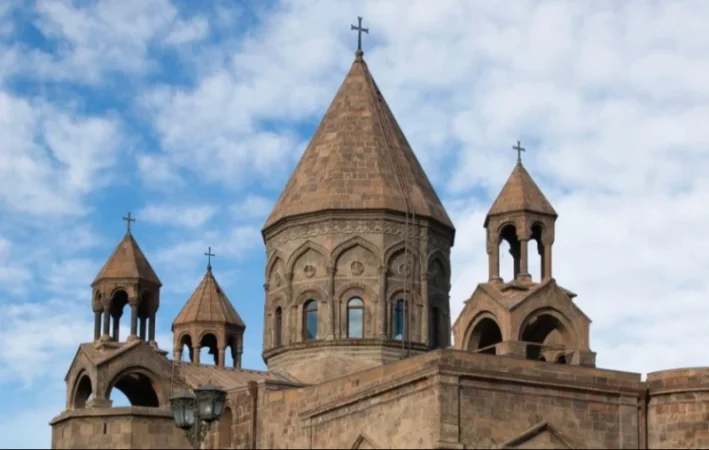
The Mother Cathedral has issued a statement regarding the in-canonical nature of the omission of the names of the Supreme Patriarch and the diocesan bishop during the Divine Liturgy.
According to the announcement, "The mentioning of the names of the Episcopal Bishop and the diocesan bishop during the Divine Liturgy has the following fundamental and important significances: A. Liturgical, which expresses the sacrament of the Divine Liturgy in its entirety and the Liturgy Book as the officially established sacred text by the Church; B. Ecclesiological-canonical, which affirms the local community gathered around the bread and cup of the Divine Liturgy as a part of the Universal Church, whose spiritual leader is the bishop, while the presiding priest or bishop establishes their ecclesiastical-canonical unity with the Mother Church and its leader, the Episcopal Patriarch.
The first testimony of the mention of the bishop’s name during the Divine Liturgy in the Armenian Apostolic Church is found in the commentary of Khosrov the Architect, dating back to the 10th century. According to Khosrov the Architect, the mention of the bishop’s name is significant because the bishop is the overseer of the Orthodox doctrine, and the priest thereby affirms his advisory authority received from him and celebrates the Divine Liturgy in accordance with orthodox teachings.
The arbitrary or deliberate omission of the names of the Supreme Patriarch and the diocesan bishop by the presider contradicts not only the liturgical canon established by the Universal Church over the centuries but also distorts the overall understanding of the sacrament of the Divine Liturgy.
The mention of these names during the Divine Liturgy makes the church gathered apostolic and part of the universal Church. Omitting the names of the Episcopal Patriarch and the bishop by the presiding clergyman signifies that: • The presiding church figure calls into question the Divine Liturgy celebrated on the foundation of Orthodox faith since the overseers of orthodoxy are the bishop and the Episcopal Patriarch; • He distances himself from ecclesiastical unity; • He rejects the authority of the Church leader."
Նմանատիպ հոդվածներ


Ավելին Society բաժնից
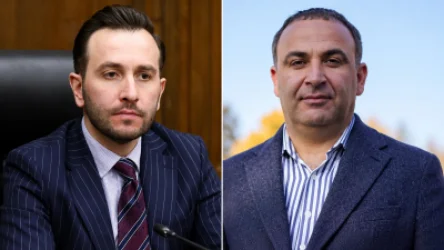
Հայկ Կոնջորյանի եղբորը ծեծի ենթարկելու գործով արդեն երկու անձ է ձերբակալվել

ՏԵՍԱՆՅՈՒԹ. Եղվարդի ապօրինի հրաձգարանում մի ողջ զինանոց է հայտնաբերվել. ՆԳՆ
Արարատում ողբերգական վթարից մահացածները նույն ընտանիքի անդամեր էին