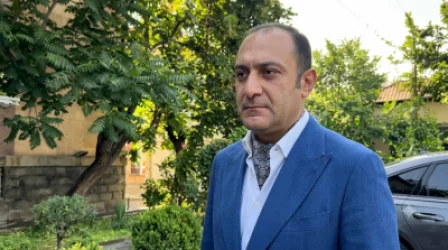
Srbouhi Galyan on Pashinyan's Statements

The Constitution contains a declarative norm according to which the Republic of Armenia acknowledges the unique role of the Armenian Apostolic Church in the life of the Armenian people and its self-governance. This was stated today, June 6, by the Minister of Justice of Armenia, Srbouhi Galyan, during a conversation with journalists in the National Assembly.
When asked whether Prime Minister Nikol Pashinyan's interference in the internal affairs of the church constitutes a violation of the constitutional order, considering that the Constitution separates church and state, she responded, “What has happened that such a question arises? In other words, how has this interference manifested itself? If you say it is manifested by raising issues, we can discuss that. But at least in my opinion, talking about existing problems is related to self-governance, and if we believe that such self-governance exists because of the constitutional status you mentioned, it is surprising.”
Referring to the reminder that the Prime Minister stated Armenia should have a decisive role in the election of the Supreme Patriarch of All Armenians, while the Constitution stipulates that the church is a self-governing body, Galyan noted, “Relations with the church can be regulated by law, and we have a legislative framework that regulates those relations. In fact, those regulations are generally aimed at granting certain privileges to the church. This means we acknowledge that at least for now, relations with the church and church officials can be regulated at the level of law. We should not forget that we are a legal state, and the fact that the church's status is established within the framework of the Constitution also indicates that at least it is possible for imperative regulations to discuss the issues that are being discussed today.”
Regarding the terminology used by the country's leader when speaking about church officials, and whether it constitutes a violation of ethical norms, the Minister of Justice remarked, “We can discuss how different people assess different speeches. I believe that everyone chooses how to voice a problem, and perhaps for some, this involves sharp tones, yes, sharp tones. I may not express problems in such a manner, but everyone makes their choice, and if it does not cross the boundaries of legality, I don’t think it is a problem.
There is one more important aspect I would like to emphasize: In recent days, the same issue has been repeatedly discussed, and it seems that the side raising the issue is being accused, while there is no discussion, or it is discussed less, of the real existing problem. This means talking about the problem is shameful, but identifying the problem is not. Every Christian must decide for themselves whether they see an issue or not. If a person considers themselves a follower of the Armenian Apostolic Church and adheres to canonical law, they must conclude for themselves whether there is a problem in this situation or not. In my observation, we have a problem today; we have a church that has long been involved in politics.
In the case of secular people, if they are officials, they are required to submit annual declarations, for example, to not be corrupt, to be transparent and accountable, and society can follow them. For church officials, different rules apply, and the Christian community itself determines whether to adhere to these rules or not.
Նմանատիպ հոդվածներ
Ավելին Politics բաժնից
ԱՄՆ-ն կարող է ամբողջությամբ դադարեցնել ապաստանի դիմումների ընդունումը՝ հայտարարում են Սպիտակ տանը
Ալեն Սիմոնյանի ուղերձը Ռուբինյանին
ՍԴ որոշումն անմիջականորեն առնչվում է «Քաղաքացիական պայմանագրի» շահերին. Գրիգորյան