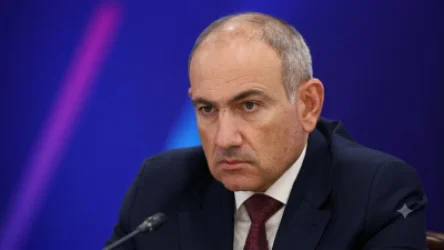
The Staff Met with New Chairman of the State Revenue Committee Edward Hakobyan

Prime Minister Nikol Pashinyan introduced the new chairman of the State Revenue Committee, Edward Hakobyan, to the staff of the committee. The Prime Minister first expressed gratitude to former chairman Rustam Badasyan for his work in the position and noted that significant changes took place in the State Revenue Committee during his tenure—changes in its functioning and working methods, which were a crucial milestone in the overall reform agenda.
“I want to draw everyone's attention to a nuance. Especially recently, I have been emphasizing the concept of the state budget as a part of the family budget of the citizens of Armenia, and of course, the State Revenue Committee and the changes and reforms taking place within it play a significant role in this process. Our understanding is that the State Revenue Committee must gradually transform from a punitive force into a service-providing organization, which has significantly occurred during Mr. Badasyan’s tenure. The transfer of the investigative department from the State Revenue Committee to the Investigative Committee is part of this logic. Also, the payment of taxes by taxpayers should become more convenient as a service, making economic activities more transparent,” the Prime Minister stated.
The head of the country noted that Hakobyan had worked as Deputy Minister of Finance for the past two years and had direct contact with the State Revenue Committee's work and policy development. “The political issue I present to Mr. Hakobyan is as follows: the positive content must be managed correctly, and we must bring the work of the State Revenue Committee to a new level based on this positive platform without deviating from the reform agenda and without forgetting that the primary goal of these reforms is to ensure state revenues, which is evidently a primary concern of the State Revenue Committee and, indeed, the Government,” the Prime Minister said.
According to Nikol Pashinyan, there must be a change in the attitude towards money in our country, including in how money is regarded. The Prime Minister noted that money is merely a tool of governance, and it is unnecessary to foster a negative attitude or, conversely, to worship money. “But on the other hand, we must record one thing: what does it mean for a state to be developed or not? The most visible indicator is how much money is generated in the country. What distinguishes the Government from other groups of people is, quite simply, the legislative framework and other circumstances that allow for managing the largest amount of monetary resources in the country. If there were to be another group with a greater capacity to manage monetary resources, the Government and the state, as such, would inevitably slide into decline. These are, of course, conceptual formulations, but I believe these nuances are very important for organizing our daily work,” the head of state emphasized.
Rustam Badasyan expressed gratitude to the Prime Minister for trusting him to lead the State Revenue Committee over the years and noted that the system has done significant work in recent years, including the digitalization of tax and customs services, making them more accessible to taxpayers, and reducing long bureaucratic processes in the customs system, which has also positively impacted the prevention of corruption manifestations. “A system of integrity has been introduced in the State Revenue Committee, and one of the most significant achievements that I would like to emphasize is that the State Revenue Committee has started to operate in accordance with international standards, as is typical for tax and customs bodies,” Badasyan said and wished Edward Hakobyan success.
For his part, Edward Hakobyan expressed gratitude to the Prime Minister for the trust, as well as to the partners of the State Revenue Committee for their achievements in recent years. “We must accelerate the pace of reforms. I am ready to invest all my potential to lead them, strengthen the cooperation between society and the State Revenue Committee, and align the culture of tax payment with the important values of statehood,” noted the newly appointed chairman of the State Revenue Committee.
Նմանատիպ հոդվածներ
Ավելին Politics բաժնից
ԱԺ փոխխոսնակներից մեկը լինելու է կին. հայտնի է նրա անունը. «Իրավունք»
Պաշտոնակռիվը սկսված է. ով է լինելու ՔՊ խմբակցության ղեկավարը. «Հրապարակ»
ՀԱՊԿ-ում պարզաբանել են՝ ով է որոշում անդամի հեռացումը