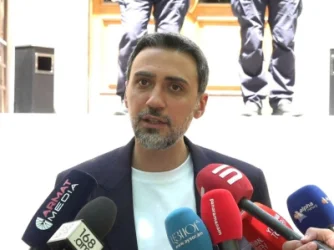
On Short Messengers and Privacy: Samvel Martirosyan

Media expert Samvel Martirosyan wrote on his Facebook page about "Short Messengers and Privacy" and linked to his article published on media.am.
"The events surrounding Telegram's head Pavel Durov in France have once again raised the topic of which messengers are safe. In reality, this issue is quite multi-layered, as it is not just about the messenger itself. On one hand, any messenger is already safer than regular mobile communication, which can be intercepted and subjected to third-party intrusion. On the other hand, if the phone is infected with spyware, it does not matter which messengers are being used for voice calls; the voice will be exfiltrated by the virus and transmitted to the 'master.'
If we consider Durov's statements over the past years, we will notice that he constantly compares Telegram with WhatsApp. This was a very strategically chosen move because Durov himself has set a convenient competitor and has shifted the entire competition between messengers to the Telegram-WhatsApp dichotomy. This worked to Telegram's advantage in many aspects, as WhatsApp, being a more popular messenger, attracted more interest from both security specialists and cybercriminals. This led to the more frequent discovery of various vulnerabilities in WhatsApp.
Moreover, WhatsApp, according to data from the Federal Bureau disclosed in the press, provides law enforcement with a substantial amount of data, such as who is in contact with whom, contact lists, etc. Law enforcement agencies receive a constant stream of metadata, almost in real-time (with a 15-minute delay). This data can even include the actual content of messages if backed up via iCloud.
On the other hand, Telegram has avoided cooperation with law enforcement in every way possible, protecting its reputation as an independent and secure messenger. However, there are a few significant 'buts' here. One of the first 'buts' emerged recently. Durov was likely forced to make deals with French (at least only French) special services. It later became clear that Durov had visited a cybersecurity center in Baku. The most intriguing part was that during the years when he claimed to be an exiled businessman fleeing Russia, he had secretly visited Russia fifty times between 2015 and 2021.
Now let’s correlate these facts with a few important points: a. There is a widespread public opinion that Telegram is the safest messenger; b. The overwhelming majority of users are unaware that serious encryption actually occurs only when the secret chat option is activated. In this case, end-to-end (E2E) encryption is enabled, meaning even Telegram admins cannot read the chats. In other scenarios, while chats are unreadable to specialized services attempting to intercept internet traffic, they are accessible to Telegram admins and can be handed over to special services if an agreement exists. c. All Telegram group chats have weak encryption, which can again be made accessible to third parties. Considering the above, we need to move beyond the dualism of the Telegram-WhatsApp opposition and, for instance, choose the Signal messenger, which is fully open-source and provides law enforcement with minimal data, such as when the user registered and when they last accessed the chat. In Signal, all chats are always E2E encrypted," the article states.
Նմանատիպ հոդվածներ
Ավելին Society բաժնից
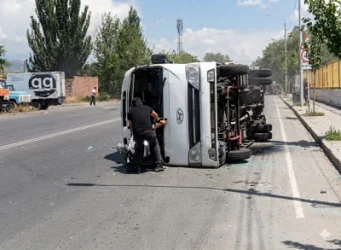
ՏԵՍԱՆՅՈՒԹ. Աշտարակում վթարվել է երեխաներին էքսկուրսիա տանող ավտոբուսը. կան տուժածներ
Նոր խիստ կանոններ՝ վարորդնեը կտուգանվեն, եթե չհեռացնեն մեքենաները․ նախագիծ

Նոր արգելափակումներ են սպասվում՝ օնլայն կազինոների դեմ