VIDEO: What Will Happen to Yerevan's Housing Fund in the Event of a 9-Magnitude Earthquake
In Yerevan, the seismic risk during the Soviet Union era was underestimated for the entire region, which is why buildings were constructed to withstand lower seismic danger than necessary. This was stated by Sos Margaryan, the director of the seismic service of the Ministry of Emergency Situations, during a press conference.
“Most of the buildings in the capital were constructed during the Soviet era for a 7-8 magnitude zone. Yerevan is considered a 9-magnitude zone on the seismic risk map, and if we experience a 9-magnitude earthquake, we will face severe consequences, with 40-45% of buildings falling into the risk zone,” Margaryan noted.
He emphasized that there are two fault lines in Yerevan, one located in the northwestern part of the city and the Garni fault, which is very close. The difference between them lies in their potential. The potential for generating a strong earthquake from the Yerevan fault is much lower than that of the Garni fault.
The expert stressed that when discussing the consequences of an earthquake, it is essential not only to measure the seismic situation by the magnitude's strength but also to consider ground conditions, building vulnerability, and the earthquake's depth.
Նմանատիպ հոդվածներ

Video: Several Buildings in Eranos Develop Cracks Following Earthquake, Ministry of Internal Affairs Says

VIDEO: Eiffel Tower Area Evacuated Due to Man Climbing on It

Video: Malhas Amoyan, Arsen Harutyunyan, and Other Wrestlers Drafted into the Army to Serve in Sports Battalion

Announcement: Recruitment at the Community Police Department
Ավելին Society բաժնից

Տոննաներով թափել ենք ծառերի տակ. տնտեսվարողները տարակուսած են

Անահիտ Մանասյանն անդրադարձել է կանանց իրավունքների մարտահրավերներին
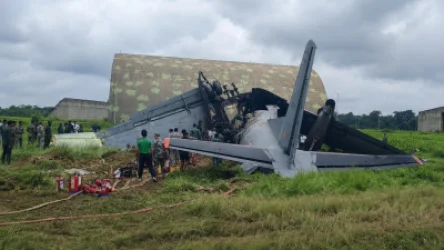
Զինծառայողներ են զոհվել․ Հնդկաստանում ռազմական ինքնաթիռ է կործանվել