Is Armenia's Membership in the CSTO an Obstacle to Armenia-US Military Cooperation? A Question for the US Deputy Secretary of State
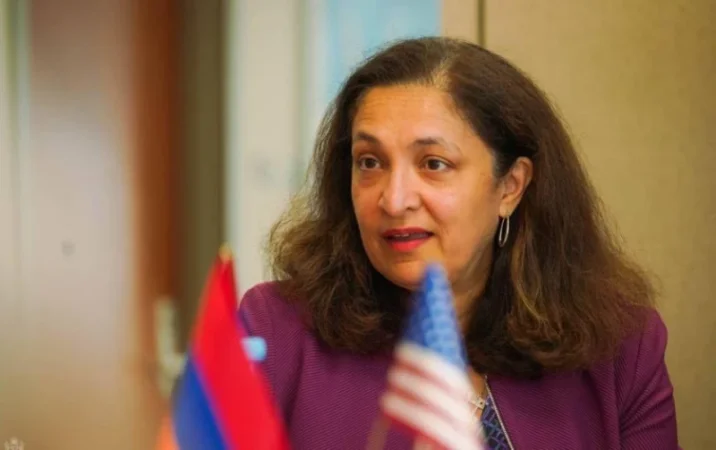
From July 13 to 16, Armenia hosted US Deputy Secretary of State for Civilian Security, Democracy, and Human Rights, Uzra Zeya, with whom "Hetq" discussed Armenian-American cooperation, US-mediated Armenian-Azerbaijani negotiations, the right of return for Artsakh Armenians, preservation of Armenian heritage in Artsakh, and democratic reforms in Armenia.
“Welcome to Armenia, Ms. Zeya. You have been in our country for a few days now. What has impressed you the most?”
“Thank you for the warm words, Liana. This was an impactful and impressive visit. I can confidently say that the deepening strategic relations between Armenia and the United States are strong and becoming more robust. I am here in Yerevan to express support for our two countries' shared vision of a sovereign, independent, democratic Armenia, under which Armenia can carve its path and establish its connections regionally and globally.”
“Over the past four days, there has been excellent and diverse discussions with the Prime Minister, Deputy Prime Minister, Secretary of the National Security Council, Minister of Internal Affairs, Prosecutor General, and leaders of civil society. I emphasized three main messages.”
“The first is that the United States supports Armenia's democratic resilience; we back the vision of the Armenian people regarding peace, security, and regional connectivity. I learned about the significant engagement of civil society in ensuring transparency, accountability, and universal human rights.”
“We commend the significant progress Armenia has made and continues to achieve in strengthening democratic institutions, combating corruption, establishing an independent judiciary, and respecting human rights and fundamental freedoms. However, we also acknowledge that there is still much work to be done.”
“Second, the United States is committed to supporting Armenia's sovereignty and the establishment of a dignified and lasting peace, which the Armenian people have long sought. In particular, I want to commend Prime Minister Pashinyan for his efforts to advance the peace process through the "Peace Crossroads" initiative and develop regional connectivity that will help unveil the vast socio-economic potential of the South Caucasus.”
“For this purpose, a study on the integration of transport routes is being implemented with the funding of the US Agency for International Development to facilitate and strengthen regional trade and connectivity towards just and sustainable peace.”
“Lastly, Armenia has made tremendous efforts to host displaced persons and refugees from Nagorno-Karabakh, many of whom have endured hardships and extreme difficulties, now finding refuge in Armenia. These efforts deserve commendation, and the United States supports Armenia in this regard.”
“Since September of last year, the US Department of State and USAID have provided $11.5 million to alleviate the burden on public services and infrastructure and respond to urgent needs like shelter, employment, and education.”
“Thus, from September 2020 to the present, the total humanitarian assistance provided by the United States in response to the situation related to Nagorno-Karabakh has reached approximately $31 million.”
“In conclusion, I also want to express my gratitude for the deeply moving visit to the Armenian Genocide Memorial and Museum-Institute. I paid my respects at the eternal flame and left the two-hour tour filled with admiration for the will and resilience of the Armenian people.”
“Therefore, the United States is more committed than ever to cooperate and support a more sovereign, democratic, open, and secure Armenia, which has a positive contribution to its citizens, the region, and the world.”
“Thank you. Thank you for this introductory speech. You spoke about stability and peace in the region. The United States is actively involved in peace negotiations. Last week, Secretary of State Blinken mediated a meeting between the foreign ministers of Armenia and Azerbaijan, after which he stated, ‘Armenia and Azerbaijan are very close to reaching a final agreement.’ What basis is there for such optimism when Azerbaijan is unilaterally setting conditions, particularly regarding amendments to Armenia's constitution?”
“The meeting organized by Secretary Blinken last week in Washington highlights the strong support of the United States for establishing lasting and dignified peace between Armenia and Azerbaijan. We understand that both countries have taken significant steps, and we wish to continue our support.”
“I think it's important to emphasize the impact of a peace agreement; a dignified and lasting peace agreement can truly open extraordinary opportunities not only for the two countries but for the entire region.”
“The United States firmly supports these efforts. We believe that Armenia and Azerbaijan are close to a final agreement. But of course, it is those sitting at the negotiating table who make the final decisions. We encourage not to miss the moment to achieve this goal. The same applies to the Prime Minister's 'Peace Crossroads' initiative. We believe that dignified, lasting peace is essential for uncovering the significant socio-economic potential of the region, as well as for developing regional connectivity outlined by the 'Peace Crossroads'.”
“So, do you think that economic benefits could push the parties, particularly Azerbaijan, to sign the peace agreement? Is the USAID study you mentioned also aimed at this?”
“The USAID study I mentioned examines the frameworks and potential for integrating transportation routes. In this regard, I cannot say which factors may be decisive for Azerbaijan. I cannot speculate. Once again, I reiterate the Secretary’s statements that those sitting at the negotiating table are the ones making the final decisions. And we see enormous potential that could exist in the case of a dignified and lasting peace, and we will do everything we can, as we are asked, to help achieve this goal.”
“What does the beginning of the second Armenia-US military exercises on July 15 mean? Does this indicate that military cooperation is deepening between the two countries? Is it possible that, like France, the United States could support the development of Armenia’s defense capabilities and military reform?”
“Regarding the 'Eagle Partner' exercises, I want to emphasize that it is a pre-planned exercise aimed at carrying out regular training, enhancing readiness and interoperability, and peacekeeping operations. These efforts are led by the American side through our Department of Defense. As a representative of the State Department, I would like to reserve the presentation of details to my colleagues at the Department of Defense.”
“However, I want to mention that we see our long-standing positive cooperation deepening in the areas of defense and civil security. I would also mention the collaboration between the National Guard of Kansas and Armenia under the Department of Defense's 'State Partnership Program.' From the State Department's side, under my leadership, the Bureau of Drug Enforcement and Law Enforcement Cooperation operates, which is a key partner for the Armenian government and people in strengthening police capabilities and supports respect for human rights, ensuring the rule of law, combating corruption, and increasing transparency.”
“One of the positive results of this cooperation is the formation of the patrol service in Armenia. By the way, I had the opportunity to be at the headquarters of the patrol service, operational management center, and the new buildings of the patrol service in Yerevan, which represent the investments of the Armenian government and the US government in providing people-centered and rights-respecting policing, resulting in greater public trust in the police and closer ties between law enforcement and the communities they serve.”
“I think this also shows that democratic reforms and increasing respect for human rights can lead to a more secure and safe environment for all.”
“Can you confirm reports that a decision has been made for an American military representative to work in the Armenian Ministry of Defense?”
“I can confirm the news. This is a welcome development, and you can clarify the details with our ambassador and the press team. We welcome the deepening of defense-civilian and security cooperation between the United States and Armenia. This also indicates a historic fact of entering a new phase of strategic partnership in Armenian-American relations.”
“Is Armenia's membership in the CSTO an obstacle to deepening military cooperation between Armenia and the US? Could a cessation of membership boost that cooperation?”
“The issue of Armenia's membership in the CSTO is solely decided by the Armenian government. We respect that decision. I want to note that our cooperation in matters of defense and civil security continues to deepen, while Armenia remains a member of the CSTO. My third and final observation is that there is no argument that Russia's military presence contributes to ensuring peace and stability in the South Caucasus.”
More details can be found in the original source.
Նմանատիպ հոդվածներ
Ավելին Politics բաժնից
Փաշինյանը շտապ մամուլի ասուլիսով հանդես կգա
Իրանը փակել է արևմտյան օդային տարածքը. մանրամասներ
Մանիպուլյատիվ պնդումներ՝ զինծառայողների քվեարկության վերաբերյալ. FIP