Will Iran Intervene if Azerbaijan Attempts Military Aggression Against Armenia? Iranian Ambassador's Statement
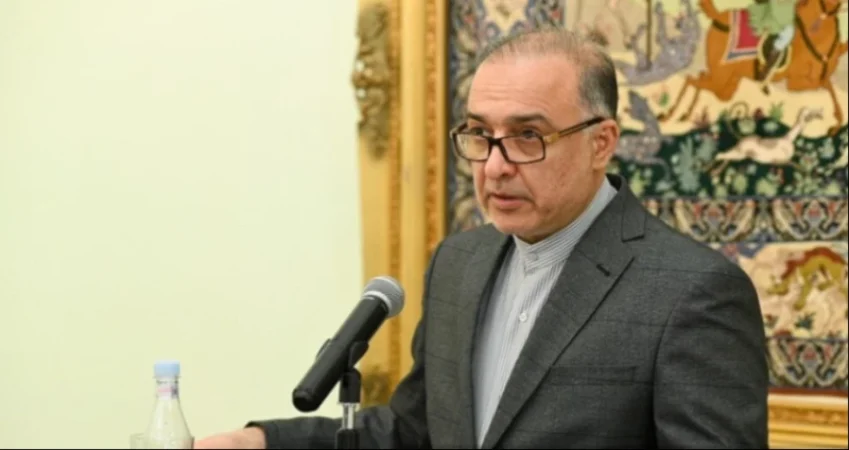
The Islamic Republic of Iran will do everything to prevent war in the region. Iran wants everyone to respect each other's territorial integrity, and prevention is much better than cure. This was stated by the Ambassador of Iran to Armenia, Mehdi Sabakhani, in an interview with Radio Liberty, responding to the question of whether Iran would intervene if Azerbaijan attempted military aggression against Armenia.
“First and foremost, we will do everything to prevent a war in the region. We want everyone to respect each other’s territorial integrity. Our greatest effort is to avoid war in the region. The international community also desires this. Armenia’s territorial integrity has been recognized by the international community, and its borders are clear. There is no objective for war. We see that Armenia wants to maintain peace and stability. This desire for peace and the clarification of borders demonstrate that the parties do not wish to go to war. Ultimately, there is no justification for war. There is no land under Armenia’s control from Azerbaijan that could justify an attack on Armenia, and I believe that the Azerbaijani government will also consider that there is no justification for war. If your presented hypothesis were to take place, naturally the international community would respond negatively,” the Ambassador stated.
In response to the question, “Did I understand correctly that you are saying Azerbaijan will not carry out military aggression? Where does this belief come from?” – he remarked that the Armenian Foreign Ministry recently did not rule out the possibility that after the COP 29 in Baku this November, Baku might resort to military aggression. He further noted that right now, Azerbaijan occupies territories in Syunik, Sotk, and Jermuk, to which the Iranian ambassador responded that two issues need to be taken into account: local clashes or ceasefire violations and war, as they differ from each other.
“The fact that parts of Armenian territories are under Azerbaijani control should be resolved within the framework of negotiations and border clarifications. When it was concluded according to the international borders that a portion of Azerbaijani territory is within Armenian territory, those areas were returned following demarcation. To the clarifying question, 'Are you referring to the territories of 4 villages given to Azerbaijan?' Mehdi Sabakhani replied, 'Yes, and when these international borders are clarified, it will naturally be clear which part belongs to which country. We have good relations with both Azerbaijan and Armenia and are utilizing these good relations and making efforts to prevent a new war, as you indicated. Diplomacy is the best option for resolving issues. Why wait for war to occur before leveraging diplomacy? We are ready to use our full potential to solve issues through peace. We say this as a country that can suffer from instability and can benefit from stability.'
Addressing a question regarding possible Iranian steps if military aggression is seen from Baku, the Iranian ambassador emphasized, “This is Armenia; it is an independent country with national sovereignty and territorial integrity. Any action by another country in this nation must be with the consent of that country. How Iran will advance its cooperation with Armenia depends on the collaboration between the two countries.”
The Islamic Republic of Iran is in favor of the opening of communication routes under Armenia's sovereignty. This should apply to all countries in the region, stated the Extraordinary and Plenipotentiary Ambassador of Iran to Armenia, Mehdi Sabakhani.
In response to the question, 'One of the demands presented by Baku to Armenia is the so-called “Zangezur Corridor,” with Aliyev insisting that Azerbaijan must be connected to Nakhichevan via Syunik, but without customs and border control. What is Iran's position on this issue?' the ambassador answered, 'The one to make decisions about the demands presented by Azerbaijan is Armenia, but our position on this matter is as follows: we are in favor and against border openness. You are neighbors with Azerbaijan and Turkey; you cannot always remain in hostility. One day you will resolve these issues with them. It is natural that as the relationships normalize, the borders will open. We support the opening of communication routes under Armenia's sovereignty, and this should pertain to all countries in the region. We currently have a border with Nakhichevan, and we can connect to Yerevan via rail from Julfa and by road from Shatakh to Yeraskh. The route will be significantly shortened. That is, from Meghri to Yerevan, it is approximately a 6-hour drive, while from Shatakh to Yeraskh and Yerevan will probably take less than an hour. This means that if the road opens, everyone will benefit. This involves not only east-west but also north-south routes. But the unblocking should encompass all of these within the framework of national sovereignty.
“No one allows their territory to have its laws breached; this is against international law, and no dividends should be created here, and the benefit should pertain to everyone.”
In response to a reporter’s observation that Armenia is proposing the 'Peace Intersection,’ but Russia insists that the corridor from Nakhichevan to Syunik should be controlled by Russian border guards, and there are now reports that this function might be entrusted to a European or international organization, Mehdi Sabakhani confirmed, “We are only in favor that it be under the territorial integrity of Armenia. The agreement you mentioned has parts of those agreements that no longer exist. You are mentioning only part of those agreements. This is an agreement that also included other issues. Those issues included Nagorno-Karabakh, the connection between Nagorno-Karabakh and Armenia, and the Lachin-Shushi connection. Those no longer exist, and we cannot refer to them. In reality, there is practically no existing document now.”
He agreed with the reporter’s observation that the trilateral statement of November 9, 2020, is no longer valid: “Yes, it does not work. And parts of those agreements no longer exist. Naturally, the rest also does not exist.”
In response to the journalist's comment, “Can we say that Iran is in favor of Baku eventually reaching Nakhichevan via Syunik? We know that Baku is currently ensuring that connection through Iran. Do you see any problem regarding your interests in this matter? Some Armenian political figures claim that this is a red line for Iran,” the diplomat clarified, “Our red line will be when our border with Armenia is severed. In other words, it will become such that we cannot connect with Armenia. That is our red line. The rest of the unblocking should be under Armenia's sovereignty, in the framework of territorial integrity, respecting Armenia's laws. You are emphasizing this issue so much; they say one thing, and you are focusing on it so much that you are exaggerating. They have occupied your attention with a single statement. Look, if a country wants dividends from another country, is it also prepared to give dividends back to that country? Countries talk to each other to facilitate their relations, but they will not allow their national sovereignty to be violated or others to enter their territory, and it should be theirs. If Armenia wanted something like this to happen, it wouldn’t pay such a price.”
Նմանատիպ հոդվածներ


Ավելին Politics բաժնից

ԱՄՆ Կոնգրեսի հանձնաժողովը կոչ է արել Ադրբեջանին անհապաղ ազատ արձակել հայ գերիներին

Ռուբիոն` Լավրովի հետ հանդիպման մասին
ՀՀ նախագահի ինքնազգացողությունը վատացել է․ նա տեղափոխվել է հիվանդանոց. ArmLur