Armenia's Border Demarcation Not Imposed, But Azerbaijan Insists on Returning 4 Villages: Gor Tsarukyan

No party has imposed border demarcation on Armenia; however, it is essential to note that Azerbaijan has insisted on the return of these well-known 4 villages. This statement was made by Gor Tsarukyan, the director of the Public Relations and Information Center of the Prime Minister's Office, during a live broadcast on Public TV.
In response to a remark that Azerbaijan has even threatened war, Tsarukyan confirmed that there have indeed been such public statements.
'Azerbaijan was insisting on the return of the villages without any demarcation, without any clarification of borders, they were simply saying, return the villages and that's it. As a result of the opposing claims from the Armenian side, we ended up with this border demarcation process, which allows us to clearly define and demarcate the state border that existed during the collapse of the Soviet Union and has legal force based on the Alma-Ata Agreement,' he said.
Addressing criticism that the border demarcation process is not legal because it contradicts Armenia's Constitution and international treaties, Tsarukyan stated that the legal basis for the demarcation stems from international legal agreements so that state borders are recognized at the international level.
'Armenia and Azerbaijan have a solid international legal basis upon which they have begun and hopefully will continue the demarcation. The foremost is the Alma-Ata Declaration, which the parties confirmed in 1991. On that basis, the Minsk Agreement was concluded, confirmed, and ratified. Article 5 of the Minsk Agreement and Article 3 of the Alma-Ata Agreement, as well as relevant clauses of the CIS regulations, clearly state that the parties recognize each other's borders and territorial integrity along the border that existed at that time and has legal power, and do not have territorial claims against each other,' he added, noting that both countries have undergone proper legal ratification processes, which means that both have a solid legal basis.
Tsarukyan emphasized that the current process is not about drawing borders or adjusting territories but rather represents a process of restoring or reproducing the boundaries that existed during the Soviet Union.
Նմանատիպ հոդվածներ
Ավելին Politics բաժնից
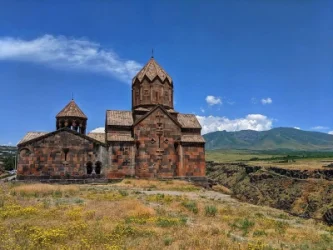
Վարչական դատարանը բավարարեց Հայաստանյայց Առաքելական Սուրբ Եկեղեցու հայցը Հովհաննավանքի գործով. փաստաբան

Բենզինի մատակարարումներն ու գները Ռուսաստանում. Նովակը ներկայացրել է իրավիճակը
Եթե երեք տեղամասերում արդյունքներն անվավեր չճանաչվեին, ԲՀԿ-ն չէր հաղթահարի անցողիկ շեմը. Հովակիմյան