NATO Developing Plans for U.S. Troop Relocation in Case of Conflict with Russia: Telegraph
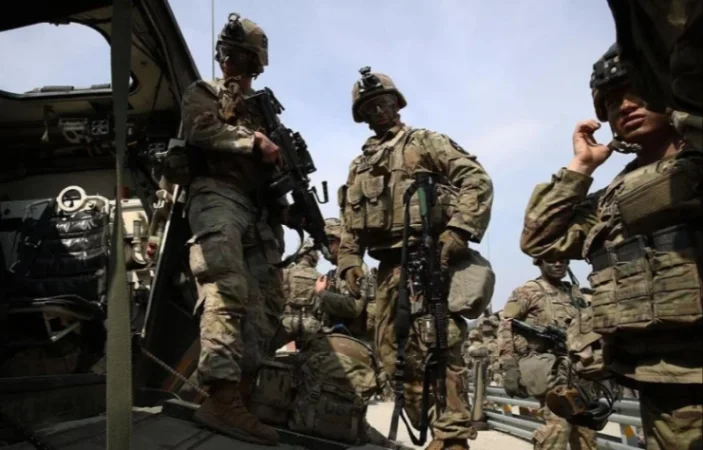
NATO is working on plans to relocate U.S. troops to the borders of Russia in case of an alleged potential attack by the Russian Federation on one of the alliance members. According to the British newspaper The Daily Telegraph, several land corridors are being created to serve as alternatives to the primary plan, which involves the landing of American forces in the port of Rotterdam and their transfer to Poland via Dutch territory, and by rail through Germany.
“As we monitored and assessed Russia’s military actions in Ukraine, we noted that Russia was targeting Ukrainian material and technical bases,” said General Lieutenant Alexander Solfrank, head of NATO's Joint Logistics Command (JSEC), explaining the necessity for several alternative routes for transporting equipment and troops across Europe. According to him, NATO's large logistics bases in this regard could be vulnerable to attacks.
Solfrank also pointed out that the alliance’s current air defense systems “will always be inadequate” for protecting all major logistics nodes and other critical and vulnerable targets in Europe. The Daily Telegraph notes that, in addition to the Netherlands-Germany-Poland logistics corridor, NATO is preparing at least four more corridors: Italy - Slovenia - Croatia - Hungary, Greece - Bulgaria - Romania, Turkey - Bulgaria - Romania, and Norway - Sweden - Finland. This is intended to provide the alliance with some flexibility in the event of hypothetical Russian attacks on Northern European ports.
According to the newspaper, the JSEC command, established in 2018, has been addressing this issue for the past five years while also trying to establish a rapid system for transporting loads and troops across the European Union without delays and the need for special permissions from individual member states. In an interview with Reuters at the end of 2023, Solfrank admitted that the 'military Schengen' is still not functioning as intended, although €660 million has been spent to finance the necessary projects.
Նմանատիպ հոդվածներ

Armenia's Actions Could Make the Creation of a Unified Defense System Impossible – Galuzin
Armenian Foreign Ministry Responds to Aliyev's Recent Statements

Police Warn Citizens Gathered Near Foreign Ministry: Special Measures Will Be Taken If Actions Do Not Cease
Serj Sargsyan Acquitted: Judge Releases Verdict
Ավելին Politics բաժնից

«Արարատ ցեմենտի» պետականացումը ևս քաղաքական հրահանգի մաս է եղել․ Երեմ Սարգսյան
Թուրքիան դեմ է ռուս-ուկրաինական հակամարտության՝ Սև ծով տարածվելուն. Հաքան Ֆիդան

Ժամկետանց միս, մանկական կեր ու դեղեր․ լայնածավալ ստուգումներ՝ Երևանի սուպերմարկետներում