VIDEO: “We were surprised by their behavior,” Lavrov on the Pashinyan-Putin conversation
The Russian Federation has always been involved in discussions regarding the status of Nagorno-Karabakh, as Prime Minister Nikol Pashinyan has requested this. This statement was made by Russian Foreign Minister Sergey Lavrov in an interview with "Izvestia".
According to the Russian Foreign Minister, the question became irrelevant when Pashinyan personally signed that the territory is part of Azerbaijan. “And when people started leaving Karabakh, Nikol Pashinyan asked Vladimir Putin why you left the Karabakhis to their fate. The Russian president replied, ‘Forgive me, for God's sake, you were the one who decided that they were no longer (your) citizens or have any other citizenship except that of Azerbaijan’,” Lavrov said.
He recalled that when a document was signed in Prague at the European Political Community summit confirming that Karabakh is Azerbaijan, no one informed Russia. “Putin said during a subsequent meeting with Pashinyan that we were surprised by their behavior. There was no explanation,” he noted.
The Russian Foreign Minister also pointed out that he had communicated with Nikol Pashinyan in Yerevan and felt that the Armenian Prime Minister understood Armenia’s benefits of continuing allied relations with Russia, cooperation within the CSTO and EAEU frameworks, but actions suggested otherwise.
“Now, Armenian officials are directly stating in the Security Council of Armenia and in parliament that they need to rely more on the European Union, as if the CSTO is not fulfilling its obligations to Armenia. In essence, this closes the circle, and ideas are beginning to be expressed in the Armenian leadership that resemble the ideas with which Pashinyan formed his ‘Way Out’ movement,” he said.
Lavrov is confident that this does not serve the interests of the Armenian people and also Russia’s interests, considering the historic friendship ties with the Armenians, the large Armenian diaspora residing in Russia, and the stability of the South Caucasus.
Նմանատիպ հոդվածներ
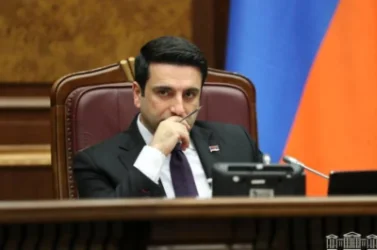
VIDEO: "I do not rule out that they will attack, and why wouldn’t they?" - Alen Simonyan
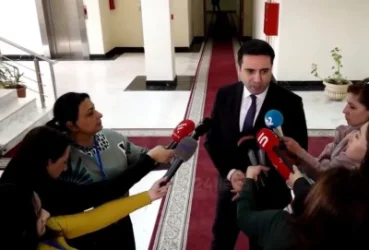
VIDEO: If Turkey Attacks, I Doubt Russian Border Guards Will Protect Us – Alen Simonyan
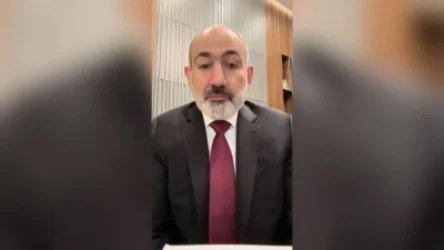
VIDEO. Pashinyan Releases the Third Episode of the Series on the State
VIDEO: Nikol Pashinyan Releases Promised Video "Conversations About the State 1"
Ավելին Politics բաժնից
Ադրբեջանի տարածքային ամբողջականությունը ճանաչել ենք․ Փաշինյան
ԿԳՄՍ նախարարը՝ մինչև 16 տարեկան երեխաների մուտքը սոցիալական ցանցեր սահմանափակելու մասին
Հունաստանի կոպիտ արձագանքը՝ Թուրքիայի ընդունած նոր օրենքին