Arman Yeghoyan: “I Don’t Know What the Council of Europe Will Lose From This”
Azerbaijan has given a deadline regarding the restoration of its delegation's powers in the Parliamentary Assembly of the Council of Europe (PACE), warning that it may seriously consider the procedure for fully withdrawing from the Council if the decision is not confirmed.
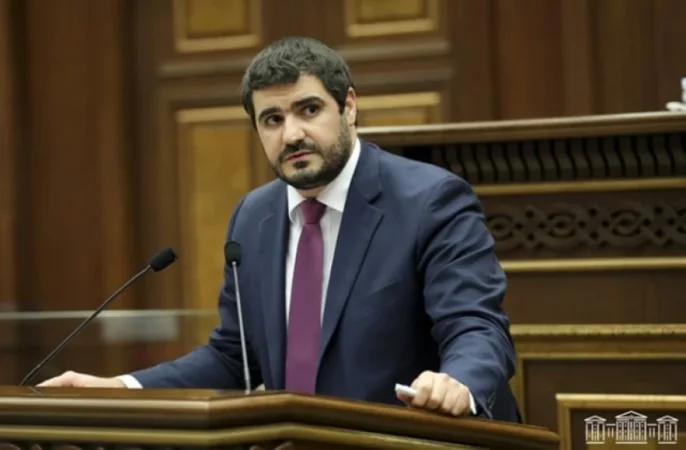
This topic was addressed by Arman Yeghoyan, the chairman of the National Assembly’s Standing Committee on European Integration, during a briefing with reporters.
“I don’t know what the Council of Europe will lose from this. Usually, the withdrawal from such international organizations is seen as a sanction from those organizations. If a state wants to leave such an organization, the question arises as to who actually loses,” he said.
In response to comments that political analysts point out that similar sanctions from the West and Europe would further distance Azerbaijan from those entities, and if they can currently bring Azerbaijan to discussions in Berlin or Washington, then official Baku might completely refuse to attend such meetings, Yeghoyan reminded that just 6-7 months ago, it was Azerbaijan that did not attend meetings in Granada, Berlin, or Washington, indicating an opposite trend.
“I feel the opposite sentiment in their official statements because, again, I say that for any state in the world, especially for states like Azerbaijan (which has a small territory or population), it is very difficult to be cut off from the world, to live in isolation, or to interact only with one or two partners,” he noted.
According to Yeghoyan, states develop through communication, trade, and other connections. Therefore, being isolated is not beneficial for any country, and he does not believe that the threat of sanctions will lead Azerbaijan to become even more isolated.
“The logic is such that it should prompt them to pursue a more balanced policy. There are things they cannot do, no matter how much they may have the physical ability to do so at a certain stage. There is an order that today’s international community understands, which is disrupted, but the international community seeks to correct that disruption as much as possible, not to deepen it further,” he added.
Նմանատիպ հոդվածներ

Ավելին Politics բաժնից
ԵՄ-ում նոր փուլ սկսելու ճանապարհը բացվում է
ԱՄՆ–ն և Իրանը մոտեցել են վճռորոշ հանգրվանի
Ի՞նչ է ակնարկում Մոսկվան Հայաստանին