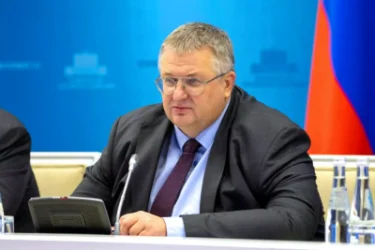
VIDEO: Mr. Pashinyan, you say what should poor Nikol do? There are significant financial questions in the CPP, are you not aware?
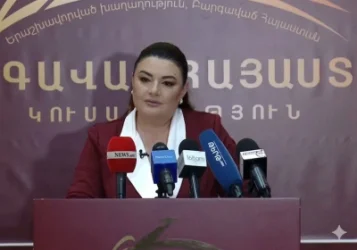
Since 2018, you have repeatedly stated that there is no systemic corruption. However, numerous cases have emerged since then where officials have been at the center of various corruption cases and have been arrested. This was stated by Agnessa Khmoyan, a member of the 'Armenia' faction, during a Q&A session with the government at the National Assembly on February 7.
'Investigative journalists followed the funds raised during the CPP elections and visited families who donated 2.5 million to your party. They found that many of them were unaware they had contributed to your party's fundraising, referring to 140 individuals and a total of 350 million drams,' noted Khmoyan.
Khmoyan questioned Pashinyan, asking if he, as the chairman of the CPP, is unable to ensure financial transparency, what confidence can there be that he can do the same as Prime Minister, and is this not corruption? Pashinyan responded, 'The concerns you raised are the reason we say that the establishment of state institutions must occur in the country because it is not one person who can ensure transparency; for that, there are institutions and law enforcement bodies. Of course, the party and its governing bodies are also responsible for these issues. I have also seen that publication; we are discussing these situations within the party and naturally intend to clarify what this is about or what has occurred for what reasons.'
Pashinyan emphasized that there is political will in Armenia to combat corruption: 'Because the absence of the phenomena you mentioned should become proof of the opposite. The facts you cited are themselves the greatest evidence that including all mechanisms for ensuring transparency are present in Armenia, and they necessarily ensure it.'
Khmoyan highlighted that the authorities are unable to ensure transparency: 'After the war, a thesis circulated—what has poor Nikol done? The former ones gave away lands, and now with corruption cases, you want to signal the public that what can poor Nikol do? Everyone is corrupted except for me.'
In response to Khmoyan's remarks, Pashinyan replied, 'If we have not ensured transparency, how do you know all this? Where do investigative journalists get their information? Is it based on information obtained from the official websites of Armenia's public bodies? It is another question as to what conclusions we will reach when studying that transparency.'
Նմանատիպ հոդվածներ

VIDEO: Pashinyan Explains What He Means by 'Fourth Republic'
VIDEO: Putin Outlines Conditions for Ending War
VIDEO. Despite Numerous Requests, the US Continues to Support Terrorism in the Caucasus: Putin

Video: Our Army Must Strengthen Only to Defend 29.8 Thousand Square Kilometers, Says Pashinyan
Ավելին Politics բաժնից
Արաղչին` ռուսական առաջարկի մասին
Փաշինյանը հանդես է գալիս պատերին ծեփելու, ասֆալտին փռելու սպառնալիքներով. Իվետա Տոնոյան
Ալիևը նորից սպառնում է «Զանգեզուրի միջանցքով»