My Visit Was Supposed to Be Regional, But Azerbaijan Postponed It in January: Kolomina
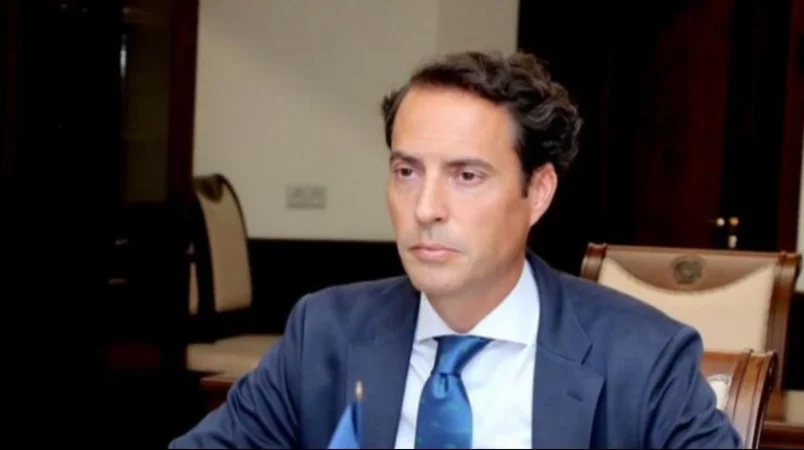
NATO supports the process of normalizing relations between Armenia and Azerbaijan and insists that the agreed principles between the parties should not change at this stage. Javier Kolomina, NATO's special representative for the South Caucasus, stated this in an interview with an Armenpress correspondent in Brussels.
Kolomina emphasized that respect for the fundamental principle of territorial integrity and sovereignty of countries is crucial for them, as it forms the basis of the normalization process between Armenia and Azerbaijan.
The NATO representative also touched upon Turkey's role in the normalization process of Armenia-Azerbaijan relations, the prospects of Armenia-NATO cooperation, and other topics.
- You were recently in Armenia, where you had various meetings. What were the main issues discussed, what conclusions did you draw, and what are the expectations moving forward?
- Yes, I was recently in Armenia, where I met with Prime Minister Nikol Pashinyan, Secretary of the Security Council Armen Grigoryan, Deputy Foreign Minister Vahan Kostanyan, and Defense Minister Suren Papikyan. I also had the opportunity to meet with students and junior diplomats, delivering a lecture. Overall, it was a good visit, very significant. We are very pleased with the bilateral relations we have with Armenia today. We are also excited about the decisions that Armenia has made in its foreign and defense policy, the shift they have decided to undertake. I know that this is a difficult decision to implement, and its realization will probably take a long time, but we certainly encourage our partners to move closer to us, and that is what Armenia is doing.
We also extensively discussed the current situation in the region and, in particular, the peaceful negotiations between Armenia and Azerbaijan. Our policy is very straightforward: we support the normalization of relations between Armenia and Azerbaijan. We do not take sides between our partners unless there is a violation of the principles and fundamental elements of the UN Charter, which we are very committed to. Thus, the message is quite clear: we would like the peaceful negotiations to resume as quickly as possible. We know there are different negotiation formats—bilateral format, and formats involving the US and EU.
For us, the most important thing is the final outcome, whether there is sustainable peace because that will be very important for the stability of the Caucasus.
- Certainly, when we talk about sustainable and lasting peace, it should be noted that this is one of Armenia's important objectives. But what developments can be expected from the Armenia-Azerbaijan normalization process against the backdrop of aggressive and unconstructive statements from Azerbaijan that include territorial claims against Armenia?
- I heard a lot of concern from your authorities, especially regarding President Aliyev's statements. For us, as I mentioned, the normalization of relations leading to lasting peace is a fundamental element today, and we will fight for it, we will support the path that will lead to signing similar documents between the two countries. We support the US, we support the EU. I was there (in Armenia) with the EU's special representative Toivo Klaar. So I had the opportunity to have a long conversation with him, and we also support the bilateral negotiation format. Ultimately, the two nations must decide how they will move forward, so we will support anything that will ultimately lead to peace. We believe that the principles established at the foundation of the process—respect for sovereignty and territorial integrity—are fundamental. These are among the principles that are very important to us.
Of course, we believe that alongside these principles, demarcation of borders, interconnectedness, the principles laid down at the foundation of the process, should be part of it, unless, of course, both sides decide to change those principles and have other principles. But the agreed principles should not change at this stage. So, as I said, I heard a lot of concerns. I don’t think statements help advance the process. We will continue to send the same message to our partners; they should resume negotiations as soon as possible. In fact, I would like to add that my visit was supposed to be regional. We had already been working with the two capitals to make it regional, but in early January, Azerbaijan decided to postpone the visit due to presidential elections, so I couldn’t convey the messages I was preparing to deliver. One of those messages was very clear—we expect you to resume peaceful negotiations as soon as possible.
- And what can you say about Turkey? As you know, Armenia is also trying to normalize relations with Turkey. In your opinion, what stance does Turkey have regarding the normalization of relations with Armenia? Will Turkey move towards real normalization of relations, or will the negotiations again remain formal?
- Turkey is a very important ally for us. As you know, it is the only ally that has borders in the region and therefore is a key player in the region. We have had very candid discussions with Turkey on all topics and, of course, also discuss crossroads. Turkey knows that we support the normalization of relations between Armenia and Turkey. I believe Turkey is ready to make progress on this issue. I don’t know; perhaps they are actually waiting for some progress in Armenian-Azerbaijani relations. That might be one of the considerations, but I believe they are genuinely interested in moving the issue forward. As you know, I really can’t delve into our allies’ foreign policies or domestic policies, but I think, and we have talked about this, very positive developments will occur when that happens.
- You spoke about the importance of sovereignty and territorial integrity. NATO member Turkey openly supported the large-scale war that took place in the South Caucasus unleashed by Azerbaijan. The response from the organization was not particularly strong or compelling. Considering that Turkey clearly supports Azerbaijan—do you consider a direct intervention by Turkey possible in the event of new aggression by Azerbaijan against Armenia, and what will NATO’s response be in that case, given that this time, the justification of "disputed territory" may not hold true since it concerns an internationally recognized country?
- It is very hard to prevent conversations, and as I said, I really can’t get into my allies’ foreign policy decisions. What I can tell you is that we are very committed to those two principles—sovereignty and territorial integrity. We have always been clear, these are very important to us. Three years ago, the situation was different. As I said, there was a disagreement regarding how you view the given enclave. And although there was recognition of Azerbaijan’s territorial integrity and sovereignty, there was, as I mentioned, a contradiction. I think we are now in a different situation, and I can assume the response might be different.
- What steps is NATO prepared to take to support international efforts aimed at establishing peace and stability in the South Caucasus?
- Our policy is very straightforward, and that policy genuinely limits what we can do. But the policy is based on the fact that we do not favor one partner over another. Not only between Armenia and Azerbaijan but in general, we have decided to implement this policy if there are no violations of the UN Charter, as well as principles established in the Washington Treaty. Therefore, at this stage, I enjoy the full support of the Secretary-General in the sense that we need to work, support, and increase our presence. Since I took over this position (since September 2021), I have visited the region seven times, probably more than in the previous ten years. So I believe that in the context of the Caucasus, we have a politically greater presence—three countries: Georgia, Armenia, and Azerbaijan, but particularly in the context of Armenia and Azerbaijan. And we have always been very clear about what we expect from our partners; we expect normalization of relations based on agreed principles, and some of those principles are norms enshrined in the Washington Treaty and the UN Charter, such as sovereignty and territorial integrity. We will continue to uphold that same line; we will continue to promote the normalization of relations.
- Going back to what you said at the beginning, that you are very pleased with your relations with Armenia. Are there plans to expand these? If so, in what directions?
- Yes, we are very pleased. In recent years, Armenia has decided to politically and practically activate cooperation with NATO overall, and we are always ready to move at the pace our partners wish to move. Thus, we encourage everything that comes from Yerevan. For instance, Armenia has decided to increase its number of troops in NATO’s KFOR mission in Kosovo by more than 50, which is clearly a sign of political engagement and commitment. We are currently working on a new individually tailored partnership program (ITPP) with quite ambitious goals. We are working on training opportunities. Two years ago—mainly after the war—the cooperation was somewhat frozen, and these steps, this movement is quite substantive. So now what we have ahead is the adoption of the individually tailored partnership program. I have high expectations that this will happen in the coming weeks. But from my conversations in Yerevan, my impression is that the Armenians are ready to continue on this path and increase cooperation, and we will help Armenia in that regard.
- NATO is planning to conduct the largest military exercises since the Cold War. Of course, we can guess who it is specifically for, but still, I would like to ask, what is the message here?
- NATO has been very clear since the outbreak of the war in February 2022 (editor’s note: the Russia-Ukraine war). We are increasing our defense and deterrence capabilities. The message was very straightforward: we will support Ukraine as much as possible and at the same time, we will not allow any infringements on our territory. For this, we have made multiple decisions—from the Madrid Summit to the Vilnius Summit. Now, the decision to conduct these large-scale exercises (editor’s note: referring to the Steadfast Defender exercises to be held in February, which will involve approximately 90,000 troops) is largely connected to our ability to deter, and the message is clear. We want to deter, particularly Russia, which we assess as a threat. They made a strategic mistake by invading Ukraine. And they need to understand that NATO will be ready to defend every inch of its territory.
- What is Turkey’s specific role in this message? Because Turkey is also trying to mediate or support some form of dialogue between Russia and Ukraine as the only NATO member that can speak to both sides.
- Turkey has a very specific regional and geographical position, and that is why their foreign policy, which I genuinely am not allowed to comment on, is probably more complex than that of other allies, but they are absolutely committed to our defense and deterrence efforts. They are fully committed to our assessment of what are our two threats—Russia and terrorism. They contribute just as much to the efforts we are undertaking as any other ally. They will be part of those large-scale exercises, just as they have participated in all major exercises that we have had in the past.
Նմանատիպ հոդվածներ
Russian Ministry of Foreign Affairs on Armenia's Withdrawal from CSTO
The City Hall Purchased a Shalak Type Apricot Tree for 19,500 Dram, Compared to 2,400 Last Year
The National Anthem of Armenia Should Be Changed, We Should Also Discuss the Issue of Changing the Coat of Arms: Alen Simonyan
We Can Show with Meter Deviations Where the Armenia-Azerbaijan Border Passes: Speaker of Parliament
Ավելին Politics բաժնից
Ալիևը նորից սպառնում է «Զանգեզուրի միջանցքով»
Մոսկվան ըմբռնումով կմոտենա ՀՀ ժողովրդի ցանկացած ընտրությանը. Օվերչուկ
ՏԵՍԱՆՅՈՒԹ. Կարապետյանի թիմը համաներում է պահանջում