The City Hall Purchased a Shalak Type Apricot Tree for 19,500 Dram, Compared to 2,400 Last Year
On February 16, 2023, the "Greening and Environmental Protection" municipal non-profit organization and the "Procurement Support Consulting Center" LLC signed a contract whereby the LLC is to supply 100 units of the "Yerevan" type apricot trees, also known as Shalak. According to the contract, the price of one apricot tree is 19,500 dram, totaling 1,950,000 dram for the contract. Another similar contract was signed on April 4, 2022, with the same company, where different types of trees, including the Yerevan apricot, were supplied at a price of 2,400 dram per unit. A total of 50 pieces were purchased, amounting to 120,000 dram.
The newspaper "Hetq" sent an inquiry to the municipal organization requesting information about the price, the difference in costs between the two contracts, and other related questions. The questions largely went unanswered. In the announcement preceding the contract signed on April 4, 2022, the municipal organization did not specify a price; however, the announcement prior to the contract signed on February 16, 2023, set the price for the apricot tree at 20,000 dram. The company was the sole participant in the competition for the Yerevan apricot tree and offered a price of 19,500 dram. The purchase announcement for these two contracts included not only the product but also the transportation, insurance, taxes, etc. The main difference lies in the technical specifications of the trees. Both procurements were conducted via price inquiry. Thus, while the difference in these two transactions is not substantial, the price offered for the trees has increased nearly eightfold.
"Hetq" asked why one tree was purchased for 19,500 dram when its market value ranges between 1,500-2,000 dram, and why there is such a significant price difference between the apricot trees purchased under these two contracts. We did not receive a clear response from the municipal organization. They only mentioned that the purchased trees had specific technical specifications. The technical specifications available in these two contracts differ, but this discrepancy led to a price offer changing from 2,400 to 19,500 dram. What differences exist between these trees that would justify a cost increase of 17,100 dram?
The technical specifications mentioned in the contract signed on February 16, 2023, state that the purchased tree, costing 19,500 dram, is 2 meters or more in height, has a trunk circumference of 10-12 cm, a vertical stem measuring 1.7-1.8 m, and a foliage with 7-8 branches, each branch measuring 60-70 cm or more, with a closed root system. In contrast, the contract signed on April 4, 2022, specified that the tree purchased for 2,400 dram is 1.8-2.2 m tall, with a trunk diameter of 2.5-3.5 cm, and a foliage with 2-3 branches, also with a closed root system. The announcement also indicated a diameter and height of 0.4 m.
As previously mentioned, we did not receive specific answers regarding the substantial price difference and the purchase of a single tree for 19,500 dram. We attempted to buy a similar tree ourselves to understand the available pricing options based on tree sizes. We acquired this tree for 1,500 dram. Those engaged in tree seedling sales informed us that we could not buy exactly the same tree purchased by the municipal organization with a closed root system at this time of year, as fruit trees are typically kept in the soil. To obtain a closed root system, we incurred an expense of 700 dram. We purchased a tree similar to the one acquired by the municipal organization for 2,200 dram. Of course, this purchase does not include transportation, insurance, and several conditions mentioned in the announcement.
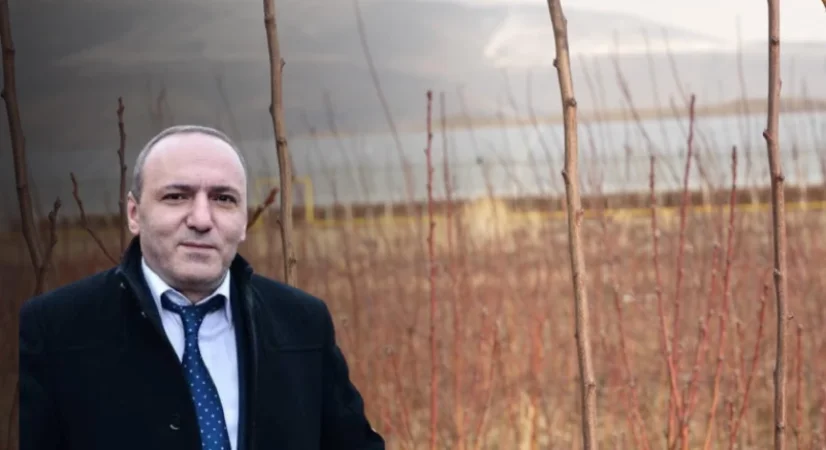
During a phone conversation with the owner of the company, Haik Vardanyan, we asked what accounted for such a price offering and the significant price difference between the two contracts. "It's the difference in size and the age of the trees. The tree worth 19,500 dram had a closed root system; the previous one (worth 2,400 dram) was sold with a root ball. The last year's tree was larger, meaning that it included several years of care expenses, thus increasing its cost. They were larger, more mature trees in terms of both shade coverage and other aspects. Naturally, as the tree grows, the maintenance costs increase, and these are factors that contribute to the production cost. When you maintain a tree, you've raised its value. Both fertilizers and pesticides and other care costs increase, and that's how you arrive at that price," said Haik Vardanyan.
According to Vardanyan, the trees were cultivated in a nursery owned by his company. The "Procurement Support Consulting Center" LLC was founded on May 7, 2021, and participated in state procurements for the first time about a month later. Since its establishment, the organization has entered into four contracts with the "Greening and Environmental Protection" municipal organization for the purpose of purchasing shrubs or trees. The company has also signed contracts with other state bodies, supplying materials such as construction supplies, vegetables, food products, metal shelving, household items, and more. Despite this, the company's activity type, according to tax authority data, is wholesale trade in fresh fruit and vegetables.
100% of the company's shares belong to Haik Vardanyan, who is the brother of Vahagn Vardanyan, a member of the Vedi community council. Haik Vardanyan previously worked at the state institution "Office for Implementation of Environmental Programs" as the head of the management and procurement department and, before that, as the chief procurement specialist at the same institution (information from Haik Vardanyan's Facebook page). The media requested in writing to be informed about where the trees were planted. The municipal organization replied that the trees were planted in the Glory Forest, near the Tsitsernakaberd monument, at the forest plantation site near the entrance of the Avan administrative district. We visited the Glory Forest area, trying to locate the planted trees. The municipal organization has divided that area into sections and squares. We also inquired about the purpose of purchasing the apricot trees. The municipal organization stated that the trees were bought for the urban landscaping purposes, to highlight the frontal areas of urban forest landscape components.
Նմանատիպ հոդվածներ

Russian Ministry of Foreign Affairs on Armenia's Withdrawal from CSTO
The National Anthem of Armenia Should Be Changed, We Should Also Discuss the Issue of Changing the Coat of Arms: Alen Simonyan

We Can Show with Meter Deviations Where the Armenia-Azerbaijan Border Passes: Speaker of Parliament
Deputy Minister of Defense on Issues Related to the Supply of Russian Weapons
Ավելին Politics բաժնից
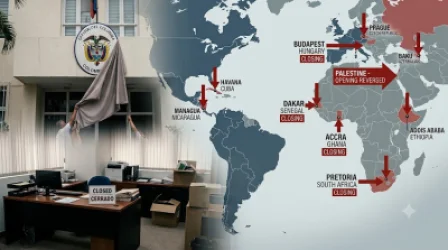
Կոլումբիան փակում է իր դեսպանատներն Ադրբեջանում և մի քանի երկրներում

Բրիտանիայի նոր վարչապետը շանը չի տեղափոխի ռեզիդենցիա՝ Լարրի կատվի պատճառով

«Ե՛վ ծիծաղելի է, և՛ տխուր». Զախարովան՝ Ճապոնիայում միջուկային զենքի քննարկման մասին