We Clearly Have Problems: Nikol Pashinyan
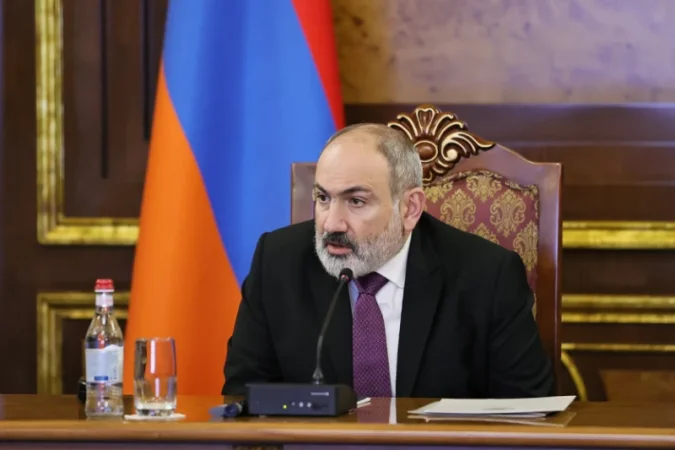
Prime Minister Nikol Pashinyan chaired a consultation today during which the report of the Public Services Regulatory Commission was presented. Before the report was delivered, the Prime Minister noted: "This year marks the end of the terms of the heads of the Public Services Regulatory Commission and the Competition Protection Commission. They were elected to these positions in April 2019. You know that the heads of the commissions are elected by the National Assembly, and the right to propose candidates to the National Assembly belongs to the Government of the Republic of Armenia."
Pashinyan added that the purpose of the consultation was to familiarize the participants with the report on the activities of the head of the Public Services Regulatory Commission, based on which a decision will be made regarding the nomination of a candidate for the head of the commission following discussions.
Garegin Baghramyan, the head of the Public Services Regulatory Commission, reported on the work done in the fields of energy (electricity, water supply, and gas supply systems), water, telecommunications, postal communication, rail transport, transportation vehicles, and mandatory technical inspection during the report period, presenting performance indicators in regulated sectors.
Regarding future actions, it was stated that legislative reforms are planned: ensuring the continuity of market monitoring, improving tariff mechanisms, supporting the ongoing development of the electronic communication sector, and implementing programs aimed at water system development.
A discussion was held based on the report, and observations were made concerning the commission's conceptual approaches and programmatic directions. Baghramyan, addressing the tariff policy, stated that according to the law, the commission should determine tariffs if the authorized body applies with such a request. In this regard, the Prime Minister remarked: "The tariff is what should guarantee quality to the consumer and profit to the producer. This means that if this balance is disrupted, then something is wrong with that tariff formula. Of course, it is clear that all of this is not done in one action, but I believe that these systems have been operating long enough, and we must clarify our approach to solving this problem and define the issue within this specificity."
In reference to renewable electricity, Nikol Pashinyan emphasized that it is developing quite well in Armenia and added: "We need strategic partnership agreements for cooperation. The issue is as follows: we produce electricity, what should we do with that electricity—store it? Storing it, as mentioned, is very expensive with current technologies. Logically, it would be more efficient to produce electricity, export that electricity, store the resources obtained from it, and later use those funds as needed for our own requirements."
The Prime Minister also addressed the quality of electricity, stating: "It is clear that we have problems. I want to understand why those problems are not being solved and what we plan to do to resolve those issues. The first issue is the quality of electricity supply, which should be uninterrupted, and the second is the quality of the supplied electricity." In response, the head of the Public Services Regulatory Commission noted that the problem has also led to deteriorations in quality in certain areas, emphasizing: "It was for breaches in service quality that I said the supplier paid 580 million in compensation to consumers. That is, if a group of consumers does not have their electricity supply restored in four hours, an automatic credit is applied as a prepayment for the next month. Each year, a penalty of about 120 million dram is paid." In this regard, the Prime Minister stressed: "Thus, nevertheless, we have activated the mechanism whereby progress in that quality should be visible according to all standards."
Detailed discussions were also held regarding regulations in the fields of gas supply, water supply, and telecommunications, existing issues, and next steps for their resolution.
Նմանատիպ հոդվածներ
Does the Constitution of Armenia Hinder the Peace Process? A Question for Mirzoyan
Mirzoyan on Aliyev's Statements
I Do Not Exclude that We Will Transfer Information on Newly Mined Areas to Azerbaijan: Foreign Minister
Armenian Defense Ministry Addresses Issues with Russia in Armaments Sector
Ավելին Politics բաժնից
Ադրբեջանի տարածքային ամբողջականությունը ճանաչել ենք․ Փաշինյան
ԿԳՄՍ նախարարը՝ մինչև 16 տարեկան երեխաների մուտքը սոցիալական ցանցեր սահմանափակելու մասին
Հունաստանի կոպիտ արձագանքը՝ Թուրքիայի ընդունած նոր օրենքին