Does the Constitution of Armenia Hinder the Peace Process? A Question for Mirzoyan
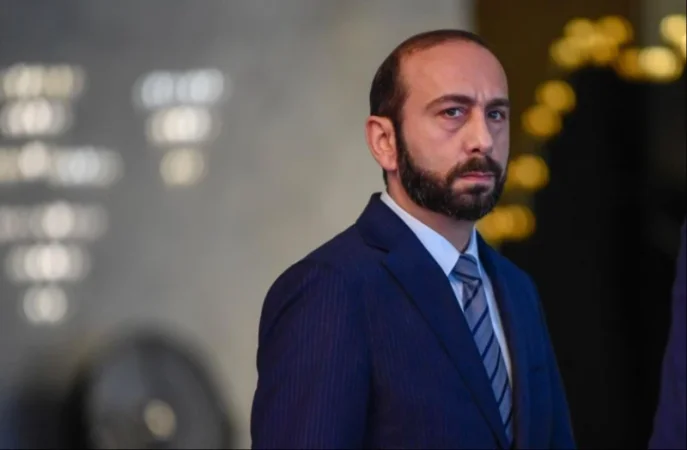
We have discussed constitutional changes shortly after the 2018 revolution. This was stated by Foreign Minister Ararat Mirzoyan during a press conference, speaking about Prime Minister Nikol Pashinyan's declaration on the need for constitutional amendments.
“In my understanding, this is a document that, in addition to fixing specific legal relations and enshrining mechanisms, is primarily a philosophical foundation. It is not for nothing that it is called the mother law, by which legal relations within society are constructed; between citizen and citizen, citizen and state, and so on. This is a document that primarily has internal significance. I do not want to completely reject the idea that, while having internal importance, it, like any constitution, has a broader impact, meaning it touches on external relations. In this regard, our constitution is no exception.
To say that the process of regulating Armenia-Azerbaijan relations is the reason for the constitutional changes is an extreme exaggeration; I do not agree with that claim,” said Mirzoyan.
According to Mirzoyan, both Armenia and Azerbaijan have seen legal issues in each other’s constitutions and raised them, but it cannot be said that the constitution hinders the peace process.
When addressing a journalist's question about whether the current constitution hinders the peace process, Mirzoyan replied, “Certainly not.” On January 19, Pashinyan stated that Armenia needs not constitutional amendments but a new constitution. Subsequently, the opposition announced that groundwork was being prepared for satisfying the endless demands of Turkey and Azerbaijan. It was particularly emphasized that the constitution references the Declaration of Independence, which in turn mentions Artsakh.
Նմանատիպ հոդվածներ
Ավելին Politics բաժնից
ՏԵՍԱՆՅՈՒԹ. Մոսկվան ջրի տակ է մնացել անձրևների հետևանքով

Խորհրդարան չմտնեք, չփորձվեք. Նազարյանը՝ ընդդիմությանը

Թրամփի նոր հայտարարությունը՝ վճռորոշ փուլից առաջ