European Parliament to Discuss Suspension of Azerbaijani Delegation's Powers: What to Expect
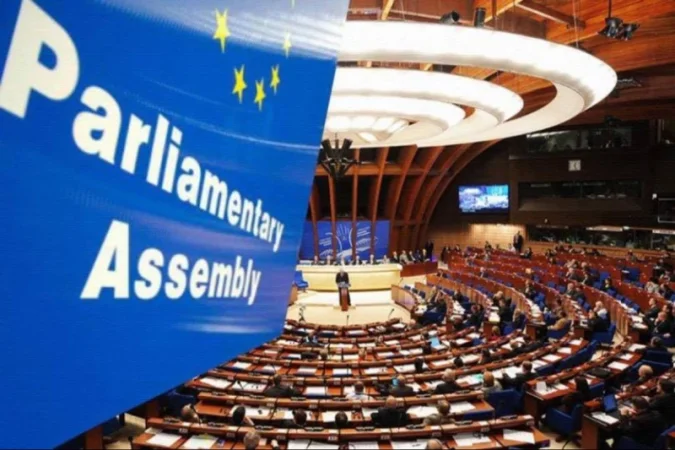
The Parliamentary Assembly of the Council of Europe is set to discuss the issue of suspending the powers of the Azerbaijani delegation. This information was published on the microblog of the PACE.
The powers of the Azerbaijani delegation have been questioned based on significant grounds of non-compliance with obligations and lack of cooperation. According to the PACE press service, a decision will be made on Wednesday following the discussion.
The proposal for debate was put forth by German MP Frank Schwabe. According to the politician, there is a dramatic escalation of internal political affairs in Azerbaijan, where the number of political prisoners is increasing and more than 100,000 people have been forcibly displaced from Nagorno-Karabakh.
“Our rapporteurs were not given the opportunity to visit the Lachin corridor three times in 2023. Moreover, today the Council of Europe is not receiving an invitation to observe the presidential elections in Azerbaijan,” the MP stated.
Schwabe believes that this is a blatant and unjustifiable violation of all cooperation laws, an attempt to undermine the Council of Europe, and to act against all other organizations, including the OSCE. The German legislator asserts that the Azerbaijani delegation must take direct responsibility for all these incidents, and its powers should be suspended.
Schwabe has urged PACE members to give a clear response. Following the chairman's proposal, the issue was put forward for discussion by the PACE monitoring committee with an overwhelming majority of votes from the present MPs.
During the debate scheduled for the evening of January 24, the matter of suspending or validating the powers of the Azerbaijani delegation will be discussed. According to the PACE press service, a decision may be made to either validate the delegation’s powers, suspend them, or partly suspend them. Until then, Azerbaijani delegates may participate in the sessions but will not have the right to vote on their issue.
Նմանատիպ հոդվածներ
Armenian Defense Ministry Addresses Issues with Russia in Armaments Sector
Does the Constitution of Armenia Hinder the Peace Process? A Question for Mirzoyan
Mirzoyan on Aliyev's Statements
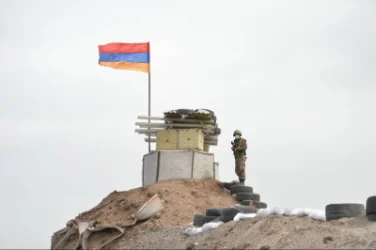
I Do Not Exclude that We Will Transfer Information on Newly Mined Areas to Azerbaijan: Foreign Minister
Ավելին Politics բաժնից
ՔԿ-ն մանրամասներ է հայտնել «Ուժեղ Հայաստան»-ի խուզարկություններից
«Գյուլնազ տատն էր Նիկոլին հարցնում». Մարուքյան
Պուտինը Չինաստան է այցելում. տարածաշրջանը եռում է