Statements from Azerbaijan Challenge Armenia's Territorial Integrity: Mirzoyan
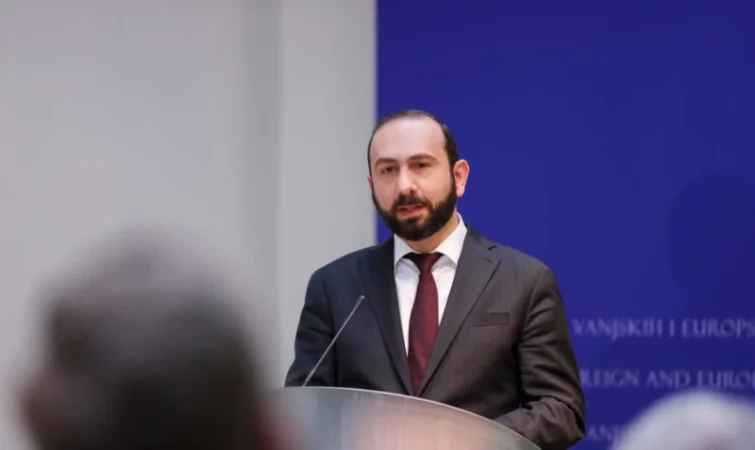
Unfortunately, we see that the rhetoric and statements from high-ranking officials of Azerbaijan continue to pose a challenge to the international rule-based order, Armenia's territorial integrity, and sovereignty, and therefore, the prospects for lasting peace in the region.
This was stated by the Minister of Foreign Affairs of Armenia, Ararat Mirzoyan, during a joint press conference with the Croatian Foreign Minister.
“Your Excellency, thank you for the warm hospitality shown to me and my delegation during this visit. I had effective meetings yesterday with your Prime Minister, as well as with the Vice President of Parliament. This continues our previous active communications; I fondly recall your official visit to Yerevan last February, as well as my visit to Croatia in July and our discussions at the Dubrovnik conference.
Of course, it should be emphasized that this year is special for our bilateral relations, as we are celebrating the 30th anniversary of the establishment of diplomatic relations. Over the past three decades, our states have made significant efforts toward developing high-level political dialogue and mutually beneficial cooperation.
I am pleased to note that our recent mutual visits and active collaboration reflect the positive dynamics of our bilateral relations, as well as the willingness to further expand our agenda, deepen cooperation in various fields and platforms, and, of course, strengthen the ties between our two friendly peoples.
Dear attendees, during our discussions today, we addressed several topics on the bilateral agenda and the potential for developing cooperation in various fields, including economy, culture, information technology, tourism, and education.
Alongside the development of political dialogue, there exists a huge untapped potential in the economic sector. The business forum held in Yerevan during Minister Radman's visit last February gained particular importance, and we are interested in promoting and expanding trade and economic cooperation aimed at achieving tangible results.
Today we also discussed the ongoing processes and steps taken to further strengthen Armenia-EU partnership. The desire of our citizens for the deepening of these relations is based on the common values which our citizens share in Armenia, Croatia, and the European Union—especially in the domains of democracy, human rights protection, and other fundamental principles.
At the same time, our commitment to expanding Armenia-EU partnership stems from the vision of a better and safer environment for our citizens. Thus, together with my Croatian counterpart, we reviewed the entire framework of Armenia-EU relations, which encompasses our democratic reforms agenda, people-to-people contacts, the dialogue on visa liberalization, economic cooperation, as well as security issues.
In this context, I would like to emphasize that the Armenia-EU partnership is expanding in new directions, particularly with the EU's monitoring mission in Armenia and dialogue on security issues.
We also had the opportunity to address issues of cooperation in multilateral platforms, collaboration within international organizations, where Armenia and Croatia already enjoy or could benefit from closer cooperation.
Dear colleagues, today we exchanged thoughts on international and regional security themes. I provided my counterpart with details on the situation in the South Caucasus. As mentioned, we previously had the opportunity to discuss Armenia's vision regarding the establishment of stability and peace in the region, efforts to overcome challenges, and the development of regional connections.
Unfortunately, we see that the rhetoric and statements from high-ranking officials of Azerbaijan continue to pose a challenge to the international law-based order, Armenia's territorial integrity, and sovereignty, and therefore, the prospects for lasting peace in the region.
I believe that our partners interested in stability in the South Caucasus share the same approach that peace requires unwavering commitment and genuine interest in long-term solutions. Armenia's position is very clear—it is based on well-known principles and agreements. Countries should recognize each other's territorial integrity without ambiguity.
The peace agreement should provide clear bases for the further delimitation process, which, in our conviction, should be conducted in accordance with the Alma-Ata Declaration and should rely on the most recent and legitimate maps of the Soviet Union.
We are also confident that the transportation routes that can be unblocked in the region, communication infrastructures—both economic and transport—can also contribute to promoting lasting peace in the region, and we believe that all infrastructures that will be unblocked should do so in accordance with the sovereignty, jurisdiction, and the principles of equality and reciprocity of the relevant countries.
Moreover, aiming to promote the idea of peace and connectivity, the Government of the Republic of Armenia has proposed the “Crossroad of Peace” initiative, which, as I mentioned, is aimed at increasing connectivity in the region and unblocking infrastructural pathways.
Նմանատիպ հոդվածներ
Ավելին Politics բաժնից
Ադրբեջանի տարածքային ամբողջականությունը ճանաչել ենք․ Փաշինյան

ԿԳՄՍ նախարարը՝ մինչև 16 տարեկան երեխաների մուտքը սոցիալական ցանցեր սահմանափակելու մասին
Հունաստանի կոպիտ արձագանքը՝ Թուրքիայի ընդունած նոր օրենքին