Armenia Needs a New Constitution, Says Pashinyan
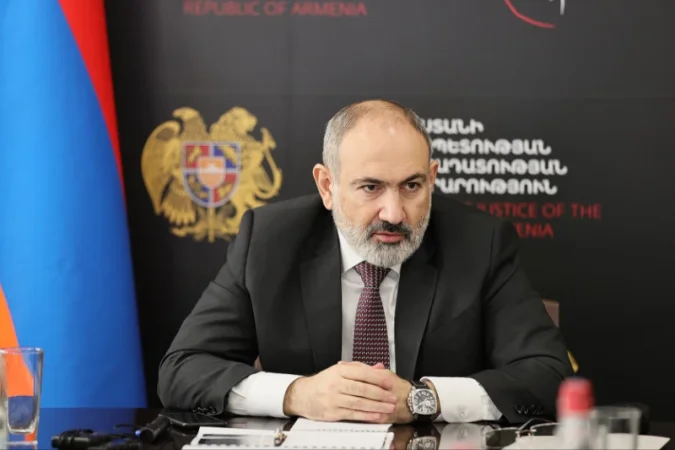
Prime Minister Nikol Pashinyan visited the Ministry of Justice on January 18 to discuss the department's report on its activities for 2023. Before the discussion, the Prime Minister made two key points.
“The first is that the Ministry of Justice is involved in the work of the delimitation commission. I want to emphasize the strategic significance of the delimitation process, because there are, of course, very serious political, socio-psychological, and security issues here. It is clear and obvious that we live in a world that is changing very rapidly and unpredictably, and it is very important, after all, to answer the following question: what is our vision and formula for ensuring the security of the Republic of Armenia? We have had discussions on this issue in various formats many times, and my conclusion is that the cornerstone of ensuring the security of the Republic of Armenia is legitimacy.
What does this mean? It means that we need to formulate the problem very clearly; of course, the problem or formulation is very obvious, but we should not hesitate to reiterate it: our goal is for the Republic of Armenia to exist and develop within its internationally recognized territory as a legal and democratic state. And this should be our strategic understanding of the future of our country, portraying the Republic of Armenia as a sovereign, legal, democratic state, and a social state. Of course, this enumeration can be continued, but I am talking about primary directions at this moment.
A question arises: what is the territory of the Republic of Armenia? In fact, I want to emphasize again that we should not seek an answer to this question but simply take the existing answer off the shelves and place it on the table. I would struggle to say how many years it has been, but for a long time, the size of the Republic of Armenia's sovereign territory has been recorded in the land balance of the Republic of Armenia. This means that the Government of the Republic of Armenia periodically adopts the land balance of the Republic of Armenia. This has happened before and after 2018, and in the end, we must make this recording, and we must base our legitimacy, legitimate inquiries, expectations, and emphases on this foundation and logic.
Moreover, I connect and condition the legitimacy of our actions and positions at the conceptual level with the logic of the concept 'the homeland is the state.' But why am I saying this today, now at the Ministry of Justice? Because this implies that the role of our legal community in external security assurance is increasingly expanding. This is a very important emphasis; I believe it is an obvious point. But there are obvious points that all of us, or perhaps at least I, or many colleagues, do not have in the domain of daily emphasis, because, you see, when we say security, we usually understand the army, armed forces, and diplomacy. Both are correct; I mean, there's no issue here, but we forget that legitimacy is precisely what ensures security, the function of which is primarily the responsibility of our legal community.
And I want to make this emphasis in the presence of the Minister of Justice and the Chairman of the Standing Committee on State and Legal Issues of the National Assembly. I also want to emphasize the role of the Constitutional Court in this process and, in general, the role of the judicial system. I want us to be focused on this kind of work, which, in my opinion, will significantly increase the effectiveness of security assurance at this stage. But I say again, we must place the subtitle of legitimacy under the concept of 'the homeland is the state' because sometimes, legitimacy can be framed very broadly from different perspectives. And in that case, by 'framework,' I mean the sovereign, internationally recognized territory and borders of the Republic of Armenia.
Referring to the next emphasis, Prime Minister Pashinyan noted, 'The world is changing, and our region will inevitably change as well; Armenia is also changing and is changing. There can be various attitudes toward this change. However, regardless of how we relate to this evolution, it is happening. Therefore, our position and approach should not be to stop this evolution; that is inherently illogical, because by stopping evolution, we will reach degradation, but rather, we should manage it in accordance with the state interests of the Republic of Armenia.'
In this regard, during one or two working discussions with the Minister of Justice, I have recorded that my opinion and that of several colleagues, and I voice this idea so that it becomes a more widely discussed topic, is that the Republic of Armenia needs a new Constitution, not just constitutional amendments, but a new Constitution. Moreover, I want to emphasize specifically that when talking about these topics, the first focus is: what management system do we want to change, and for whom? I want to emphasize that my publicly expressed position on this issue has not changed. I am convinced, and time, of course, has shown some doubts, but eventually proved that for me at least and for several colleagues, the parliamentary model of governance in Armenia, considering our democratic aspirations and strategies, is the most suitable for the Republic of Armenia.
Moreover, I am now even more convinced that if we did not have this parliamentary model of governance in the post-war period of 2020, what happened to our statehood could have occurred, which perhaps many wanted to happen. It is not about this. I want to say directly that politically, in terms of governance, there is not much to change in the current model. This is a bit of a specialized area of expertise, for example, regarding what needs to be changed in the judicial system. I mean, politically, my problem is different. The first thing is that I believe that regardless of how much we try to solve this problem in other ways, the Republic of Armenia must have a Constitution that has been adopted by the people of the Republic of Armenia through voting results that leave no room for doubt. This is also a significant emphasis related to legitimacy, by the way. Second, we must have a Constitution that makes the Republic of Armenia more competitive and viable in the new geopolitical and regional conditions.
Since the Ministry of Justice plays a crucial role in both of these areas, I wanted to emphasize this so that we are prepared for such work in the coming period. I also want to convey this message to our legal community that the activity of the legal community in ensuring the external security of the Republic of Armenia will evidently increase in the near future. Moreover, I believe in the effectiveness of this approach and see, and am convinced that with a professional approach, indeed, legal work in terms of legitimizing these positions can lead to significant effects and results concerning our political decisions.
Նմանատիպ հոդվածներ
Ավելին Politics բաժնից
Դոնալդ Թրամփի անունն ապամոնտաժել են Ջոն Քենեդիի անվան կենտրոնից

Տոննաներով թափել ենք ծառերի տակ. տնտեսվարողները տարակուսած են
«Իսլամաբադի հուշագրի» ստորագրումը վաղը չի ակնկալվում. Իրանի ԱԳՆ