Blogger Lapshin Comments on Photo of Indians at Zvartnots Airport
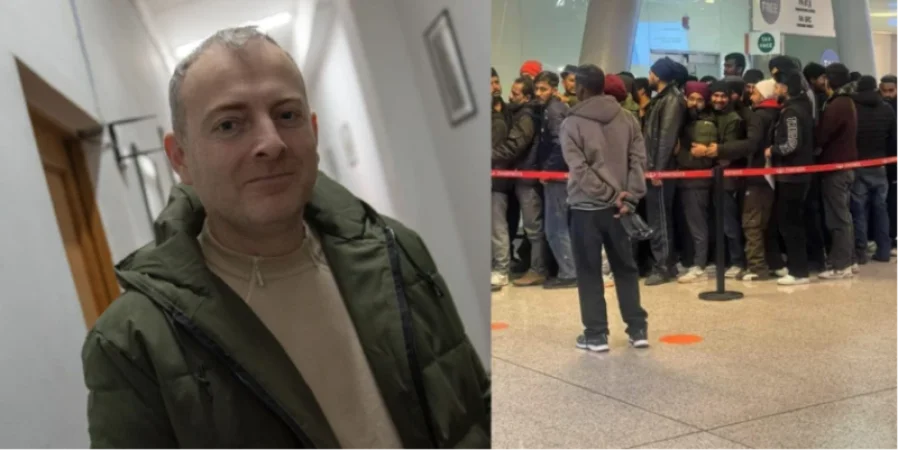
In recent days, a photo of Indian citizens arriving in Yerevan and standing near the passport control area at the airport has been circulating in Armenian online groups. Based on this, absurd conclusions have been drawn, suggesting that Indians have flooded Armenia and that soon only Indians will live in the country. This photo has primarily attracted criticism from Armenian women over 55 years old, who live with memories of the former USSR.
Blogger Alexander Lapshin wrote on Facebook: "The tone of publications implies that Armenians are afraid of an Indian invasion. Yet they are not afraid of Turks or Azerbaijanis (who are positioned at the heights of Jermuk and Sevan, and have long been embedded in the Armenian economy and politics with their finances), but rather of Indians. I've heard countless tales about the number of Indians in Yerevan, with some even mentioning cosmic figures like 100,000 or 200,000. In reality, according to information from Indian diplomats in Yerevan, there are 6,000 to 8,000 Indian citizens in the country. Most of them are students. Moreover, the number of Indians is not increasing; it is actually decreasing.
Do you know why? 1. Armenia does not attract Indian citizens as a migration destination; the living standards and salaries are not favorable, and their aim is Europe and America. Some have arrived in Armenia hoping to obtain a Schengen visa to move to Europe, where they actually want to live. However, Europeans rarely grant visas to Indian citizens in Yerevan, often sending them back home for visa issues. Furthermore, Indian citizens cannot board trains from Yerevan to Tbilisi without a Georgian visa, making it difficult for them to even reach Georgia from Armenia. Thus, Armenia is turning into a dead end for Indian migrants; they might as well have relocated from Delhi to Mumbai.
2. The Indians who do live in Armenia (6,000 to 8,000) are, as mentioned, either students or educated young men and women who contribute positively to Armenia. Have you ever seen an Indian committing theft, robbery, or murder in Armenia? I am sure you haven’t. They all work diligently; some are involved in Yandex deliveries, others in agriculture, and some have opened their own cafes and small shops. Moreover, during the 44-day war, Indians in Armenia provided support to the front lines, gathering humanitarian aid, sewing defense nets, and raising funds for the wounded and refugees.
And most importantly, rest assured that Indians would never surrender their homeland to an enemy and harbor no romantic feelings about the Soviet past. But more crucially, they are well aware of what Islamic fundamentalism looks like, specifically as faced by Pakistan, and their difficult experiences have taught them about radical Islamic terrorism within India itself. They hold no kind sentiments towards Azerbaijan and its tyrant Aliyev; in their perspective, Azerbaijanis are no different from their hostile Pakistani counterparts in terms of mindset and customs.
Pay special attention to those Indians who wear turbans. They are Sikhs from the Punjab region in northern India. During the first Indo-Pakistani war from 1946 to 1949, during the partition of British India into what is now India, Pakistan, Bangladesh, and Myanmar, their ancestors were brutally slaughtered by Islamist Pakistanis in Lahore and Karachi. Before the partition, there were 5 million Sikhs living in what is today Pakistani territory; now, Pakistanis have left almost none alive—either slaughtering Sikh families or forcing Sikhs to escape to India. This was a genocide of Sikhs by Pakistani Muslims, much like the Armenian Genocide. And I assure you that Sikhs have not forgotten that massacre; you can ask them yourself if the opportunity arises," wrote blogger Alexander Lapshin.
Նմանատիպ հոդվածներ
Ավելին Society բաժնից
175 մլն դրամանոց դռան փեղկ․ Հայկ Դեմոյանը դիմում է իրավապահներին

Երբ ծնողն է փնտրում աշխատանք երեխայի փոխարեն․ գործատուները ահազանգում են «հիպերհոգատար» ծնողների մասին
Արփինե Սարգսյան․ «Վիզաների ազատականացումը միայն ազատ տեղաշարժ չէ, այլ նաև պետական ինստիտուտների վերափոխման գործիք»․ CivilNet