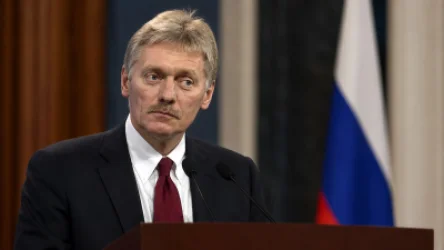
Armenian Foreign Ministry's Advice to Zakharova
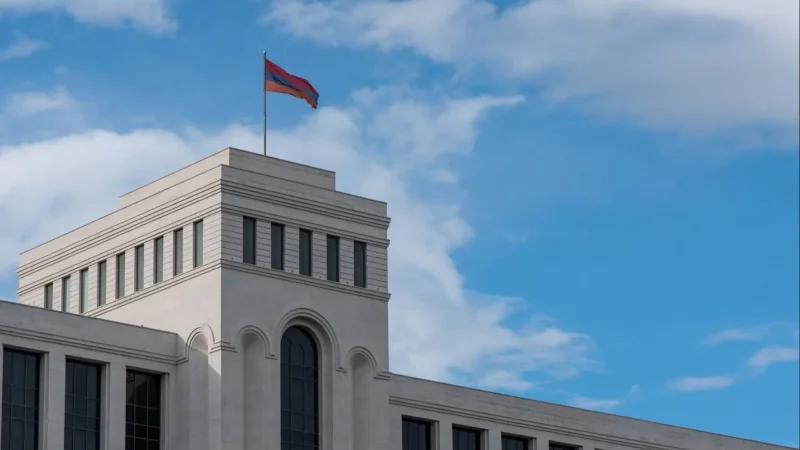
The Armenian Foreign Ministry advises the representative of the Russian Foreign Ministry to refrain from manipulating the circumstances of the situation, thus complicating it further. The spokesperson for the Armenian Foreign Ministry has released a statement regarding the remarks made by the official representative of the Russian Foreign Ministry.
“The repeated comments by the official representative of the Russian Foreign Ministry regarding the situation created in the Lachin corridor, claiming that it is a consequence of Armenia recognizing Nagorno-Karabakh as part of Azerbaijan by referring to the Alma-Ata Declaration in Prague in October 2022, raises confusion and disappointment. We are compelled to publicly remind the following well-known timeline and significant circumstances. The Nagorno-Karabakh issue has never been a territorial dispute between Armenia and Azerbaijan; by its very nature, it has always been and continues to be a fundamental issue of the rights and security of the people of Nagorno-Karabakh.
In August 2022, the Armenian side agreed to the Russian proposal for the settlement of relations between Armenia and Azerbaijan, according to which discussions on the status of Nagorno-Karabakh were to be postponed indefinitely. Azerbaijan rejected this proposal while simultaneously declaring (as stated in Brussels on August 31) that it was not ready to discuss anything related to Nagorno-Karabakh with Armenia, and just days later, on September 13, it resorted to military aggression against the sovereign territory of Armenia.
The Russian side not only failed to pursue its proposal after Azerbaijan's rejection but also exhibited absolute indifference regarding Azerbaijan's aggression against the sovereign territory of Armenia, leaving unanswered the official letter from the Armenian side asking for assistance based on bilateral legal agreements. Furthermore, the absence of acknowledgement by Russia regarding the attack on Armenia and the resulting inaction has been justified by a false pretext of the lack of demarcation of the interstate border between Armenia and Azerbaijan, thereby, whether intentionally or not, supporting the evidently false and extremely dangerous thesis that there is no border between Armenia and Azerbaijan, making it difficult to substantiate attacks on borders and incursions into Armenian territory.
A similar request from Armenia has received no proper response within the CSTO framework either. Under these conditions, on October 6, 2022, Armenia and Azerbaijan reaffirmed their commitment to the Alma-Ata Declaration, which was signed in 1991 by the former Soviet republics, including Armenia, Azerbaijan, and Russia, recognizing each other's territorial integrity based on the former administrative borders of the Soviet states. Thus, nothing new was decided in Prague; as of October 2022, the Alma-Ata Declaration had been in force for about 31 years.
The agreements reached in Prague did not alter the text of the Trilateral Declaration of November 9, 2020, either. The only novelty was that based on the results of the Prague meeting, the EU decided to deploy a permanent monitoring mission on the Armenian side of the interstate border to promote border stability. Russia has repeatedly acknowledged, including after the signing of the Trilateral Declaration on November 9, 2020, that Nagorno-Karabakh is part of Azerbaijan, and the most recent and perhaps the most significant instance of this was when it indicated in a document establishing strategic relations with Azerbaijan that it recognizes Azerbaijan's territorial integrity.
The Lachin corridor was blocked on December 12, 2022, due to staged protests organized by the Azerbaijani authorities under the control of Russian peacekeeping forces. As of April 2023, the Azerbaijani side, in the presence of Russian peacekeepers, illegally established a checkpoint in the Lachin corridor. Although these actions were evident and gross violations of the Trilateral Declaration, Russia recorded no reaction to them. Instead, Russian peacekeepers provided effective support on June 15, 2023, to attempts to place the Azerbaijani flag on Armenian sovereign territory, which was immediately followed by the complete blockade of the Lachin corridor, bringing the situation in Nagorno-Karabakh closer to a real humanitarian disaster.
In such an atmosphere of lawlessness, the Azerbaijani side is taking actions at the illegal checkpoint established in the Lachin corridor under the presence of Russian peacekeepers, such as the kidnapping of residents of Nagorno-Karabakh, with instances like the abduction of Vagif Khachatryan on July 29 and three students on August 28.
This pattern of behavior by the Russian peacekeeping forces in Nagorno-Karabakh is unfortunately not new; violations of the contact line occurred on December 11, 2020, with the illegal capture of the villages of Khtsaberd and Hin Tagher, and the abduction of 60 Armenian servicemen to Baku occurred in the presence and with the acquiescence of representatives of the Russian peacekeeping forces. At that time, the agreements of October 6, 2022, were not in place. The same applies to the incidents of March 24, 2022, in Parukh and August 1, 2022, in Saribaba, when Azerbaijan once again violated the contact line in Nagorno-Karabakh. The shooting of individuals engaged in agricultural work by the Azerbaijani armed forces in the presence of Russian peacekeepers, one of which ended with the death of a tractor driver from Martakert, and nighttime harassment of the population of Nagorno-Karabakh with spotlights and loudspeakers again occurred in the presence of Russian peacekeepers, as did thousands of violations of the ceasefire regime, also in their presence, follow this logic,” the publication states.
From the Foreign Ministry, it was added: “We advise the representative of the Russian Foreign Ministry to refrain from the manipulation of circumstances surrounding the prevention of the blockade of the Lachin corridor, or the absence of actions by Russian peacekeepers in opening it after the blockade. We also consider it necessary to reaffirm that the Republic of Armenia is committed to establishing stability in the region based on mutual recognition of territorial integrity and borders. At the same time, we deem the re-opening of the Lachin corridor absolutely necessary for long-term peace, in accordance with the Trilateral Declaration of November 9, 2020, the decisions of the International Court of Justice, the prevention of humanitarian disaster in Nagorno-Karabakh, and addressing all existing issues through dialogue between Baku and Stepanakert under international auspices.”
Նմանատիպ հոդվածներ
Ավելին Politics բաժնից
Անդրանիկ Թևանյանի կալանքը երկարաձգվեց 2 ամսով

Վախկոտ փոքրիկ խմբակի սրտի ԿԸՀ-ն գնաց հերթական ապօրինության. Ղահրամանյան
ԿԸՀ-ն համաձայնություն է տվել Նարեկ Կարապետյանին մեղադրանք առաջադրելու հարցին. Վարդևանյան