Sanctions Against Russia Are Effective: Borrell Reveals Unprecedented Trade Reduction Between Russia and the EU
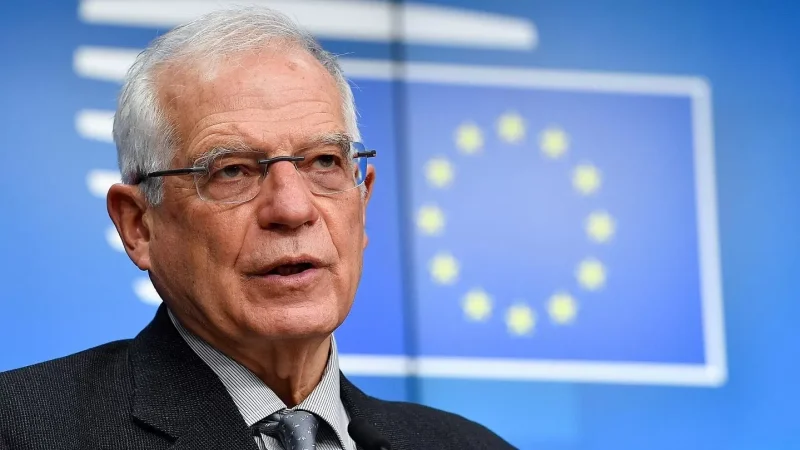
The head of EU diplomacy, Josep Borrell, has published an article in his blog declaring the effectiveness of sanctions against Russia. He cites the reduction of trade between Russia and the EU as an example.
According to his calculations, compared to 2021, the total volume of imports from Russia to the EU has decreased by 58% in 2022, which is an unprecedented reduction.
The import of non-energy goods from Russia has decreased by almost 60%, with the decline being particularly significant in the areas of iron and steel, precious metals, and wood products. This trend is accelerating: the reduction of imports of non-energy goods in the first quarter of 2023 exceeded 75%, while the reduction of energy goods is even greater, at minus 80%.
Since August 10, 2022, the import of Russian coal to the EU has been completely halted, which has affected about a quarter of Russian coal exports.
“The G7+ energy sanctions on oil have proven their effectiveness. The price of Russian oil has fallen since the launch of the EU embargo and the G7+ price cap on oil. The International Energy Agency (IEA) reports that the average price of Russian crude oil exports in April 2023 is about $60 per barrel, which is a discount of $24 compared to the global oil price,” Borrell notes.
He states that according to the IEA's estimates, Russia's total oil revenue has decreased by 27 percent compared to the previous year. At the same time, as the G7+ countries had anticipated, despite the reduction in exports to the EU, the overall volume of Russian oil exports globally has remained relatively stable, contributing to the maintenance of stability in global markets.
Նմանատիպ հոդվածներ
Azerbaijani Complaints Lead to Deletion of Artsakh President's Official Facebook Page
Response from the Artsakh Presidency on Reports of Azerbaijan Sending Flour to Stepanakert via Aknal
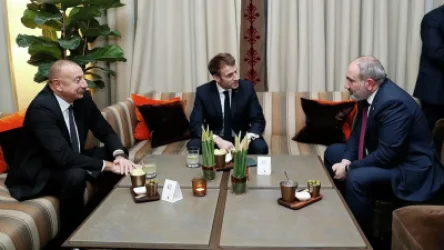
French President to Hold Talks This Week with Pashinyan and Aliyev
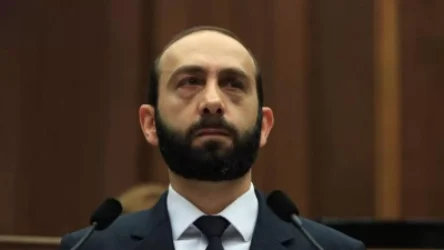
A True Medieval Siege: Mirzoyan on Azerbaijan's Blockade of Artsakh
Ավելին Politics բաժնից
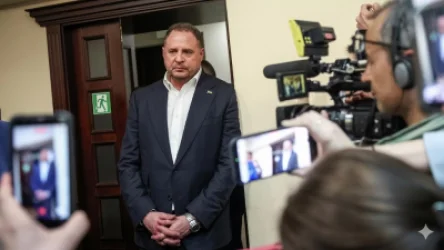
Երմակն ակնարկեց, որ շուտով ազատ կարձակվի կալանքից
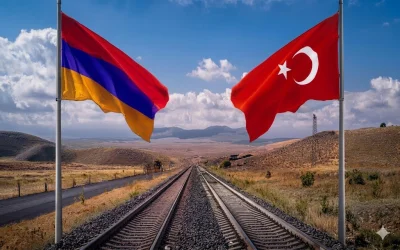
Եվրոպական միությունից ողջունում են Հայաստանի և Թուրքիայի միջև ուղիղ առևտրի մեկնարկը
Անհետացել են իմ նամակները. Դավիթ Բաբայանի ձայնային ուղերձը՝ Բաքվի բանտից