Death from Starvation Recorded in Artsakh: Ombudsman

According to information received by the Human Rights Defender's office and investigations carried out by the Ombudsman's staff, it has been revealed that K. Hovhannisyan, a resident of Stepanakert born in 1983, died from chronic malnutrition and protein-energy deficiency. This was reported by Gegham Stepanian, the Human Rights Defender of the Republic of Artsakh, on his Facebook page, where he also shared a related photograph.
“According to the forensic examination's conclusions and the death certificate of K. Hovhannisyan, the cause of death was identified as 'manifest alimentary dystrophy (general exhaustion, edema, disturbance of all forms of metabolism due to prolonged and incomplete intake of nutrients, with structural and functional disturbances of organs), cachexia, protein-energy deficiency, kwashiorkor (a specific severe form of nutritional disorder that develops in the case of insufficient protein content in food, exacerbated by harsh living conditions and low standard of living), bilateral polysegmented pneumonia, predominantly with crupous elements on the right side, pulmonary edema, mixed metabolic-hypoxic encephalopathy, organ dystrophy of the kidneys, anemia, septic state, right-sided hydrothorax, chronic malnutrition.'”
The disastrous consequences of the eight-month blockade of Artsakh by Azerbaijan are increasingly noticeable and tangible on public health, primarily affecting the vulnerable groups in society—children, pregnant women, individuals with chronic illnesses, people with disabilities, and the elderly. The catastrophic food situation resulting from the blockade, especially the two-month total siege, has created malnutrition and starvation threats for the population, along with a lack of necessary medications and the impossibility of the healthcare system functioning fully, which poses direct and irrefutable threats to the 120,000 residents of Artsakh.
Նմանատիպ հոդվածներ
21-Year-Old Mouchegh Eloyan Was the Tourist Killed in Tragic Accident
Woman Arrested for Violence and Sexual Assault Against Minor
Passengers of the Tragic Accident on the Yerevan-Gyumri Highway Were Returning from Western Armenia
Azerbaijan's Court Decides to Detain Armenian Reserve Officer Gagik Voskanian
Ավելին Society բաժնից
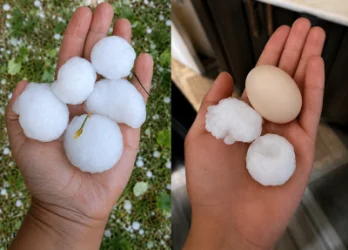
ՏԵՍԱՆՅՈՒԹ. Ուժեղ կարկուտ է տեղացել Գյումրիում
ՀՀ-ԵՄ համագործակցության և սահմանադրական բարեփոխումների հարցերն են քննարկվել

Պարեկային ծառայությունում համակարգային կոռուպցիա չկա. ՆԳ նախարար