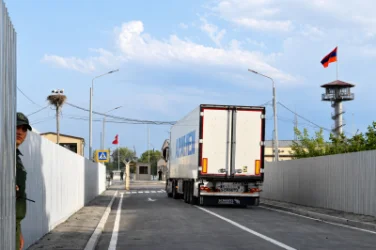
Artsakh Has Been Under Blockade for 222 Days: Economy Suffered $422 Million in Damage
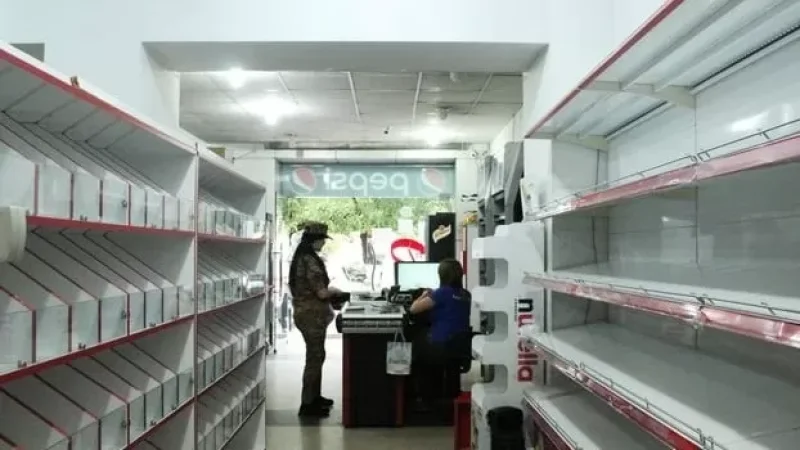
The Artsakh Information Headquarters has released daily statistical data regarding the current situation. According to the report, approximately 1,670 citizens have been deprived of the opportunity to solve health issues through scheduled surgeries due to the suspension of these procedures at all healthcare facilities in Artsakh, with an increase of around 30 cases over the last three days.
So far, 620 patients have been transferred from Artsakh to Armenia with the mediation and escort of the International Committee of the Red Cross (ICRC), and another 70 under the escort of Russian peacekeepers for appropriate medical treatment. Due to additional obstacles raised by Azerbaijan against ICRC operations, transfers were suspended for almost a month in mid-May, again halted on June 15, and after resuming on June 25, were last suspended on July 10.
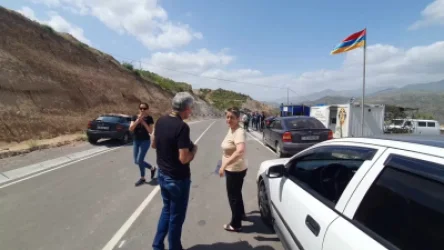
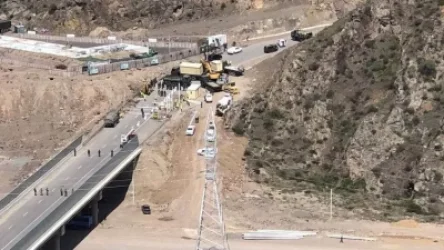
As a result of the blockade, around 3,900 individuals, including 550 children, have been unable to return to their homes; some have since returned with the support of the Red Cross and Russian peacekeepers. No citizen has been able to travel freely along the Stepanakert-Goris highway (Lachin Corridor), and incidents of bilateral movement have decreased approximately 214 times, with the only movements occurring under the assistance of the Red Cross and Russian peacekeepers (over 222 days, there were 2,540 entries and exits compared to 545,900 that should have been). Notably, there have been zero entries and exits recorded in the last three days.
No vehicles belonging to Artsakh’s citizens have crossed the blocked road, and the total traffic volume has been nearly 70 times less than it would have been without the blockade (over 222 days, there were only 2,923 vehicle entries and exits instead of 204,240, and again, only with the support of the Red Cross and Russian peacekeepers). This also indicates that there were zero vehicle entries and exits in the last three days.
About 16 times less essential goods have been imported solely by the Red Cross and Russian peacekeepers than would have been without the blockade (over 222 days, approximately 5,715 tons instead of around 88,800 tons, with no goods at all imported in the last three days).
During the blockade, Azerbaijan has fully or partially interrupted gas supply from Armenia to Artsakh for a cumulative total of 155 days, while electricity supply has been completely disrupted for the past 193 days. This has led to daily rolling blackouts and additional emergency cuts, as well as numerous closures or reductions in the activity of various enterprises.
Since the beginning of the blockade, 1,450 economic operators (33.9% of the total) have suspended their activities due to the impossibility of operating under blockade conditions, while 2,827 economic operators are functioning partially, either at a minimal production capacity or through state assistance. Due to the blockade and disruption of essential infrastructure, approximately 14,600 people have lost their jobs and sources of income since the onset of the blockade (including cases of temporary job retention with state support), which is more than 80% of private sector workers. This figure has been rapidly increasing, particularly in recent times.
Construction work has ceased on 32.6 kilometers of road, dozens of kilometers of water lines, irrigation systems for thousands of hectares of land, 3,717 residential apartments, and more than 40 social and industrial infrastructure projects.
The economy of the Republic of Artsakh has incurred approximately $422 million in damage during the blockade, leading to the anticipated annual GDP figure (projected at $903 million) being approximately 47% unmet.
Նմանատիպ հոդվածներ

Ավելին Society բաժնից

Երևանում ռուս մաթեմատիկոս է ձերբակալվել

Ալեն Ղևոնդյանին արգելվել է հրապարակումներ անել և հավաքների մասնակցել

Բացառիկ պատմական արժեք ներկայացնող նվիրատվություն՝ Մատենադարանին