EU Observer Mission in Armenia Does Not Create Added Value - Zakharova

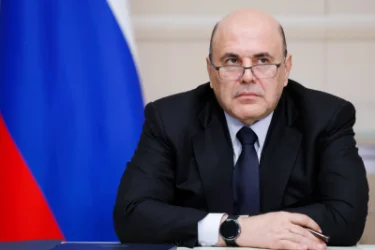
The official representative of the Russian Foreign Ministry, Maria Zakharova, commented on reports that the EU's observer mission in Armenia is launching three new operational points in Kapan, Ijevan, and Yeghegnadzor.
“We are aware of the European Union's plans to strengthen its presence in Armenia, where three new ‘observer’ mission outposts will soon open in the cities of Kapan, Ijevan, and Yeghegnadzor. EU members have initially acted with extreme opacity. The deployment of the EU mission on Armenian territory was forced under serious pressure from Brussels. The EU practically imposed its presence. The launch of the mission, which was declared to assist in the normalization of relations between Baku and Yerevan, took place unilaterally, on a non-consensus basis, without the agreement of the Azerbaijani side and other regional players, and without proper accountability. This only confirms the real intentions of the EU's political agenda in the region, where the main objective is to oust Russia from the South Caucasus, turning the South Caucasus into a geopolitical battleground to the detriment of the fundamental interests of the people living here,” Zakharova stated.
According to the official representative of the Russian Foreign Ministry, the increase in the number of EU observer bases in Armenia has nothing to do with the goal of establishing stability and peace in relations between Baku and Yerevan. “The lack of accountability of the EU mission reinforces suspicions in the international community and, first of all, in Azerbaijan and Armenia, that there is a hidden agenda to EU activities ‘on the ground’, with the presence of a ‘double bottom’ under the guise of the ‘civilian’ nature of the mission’s mandate. Given all the circumstances, we not only have numerous legitimate questions about the true motives of the EU’s actions in the region,” she said.
She expressed confidence that behind the expansion of the EU's activities lie anti-Russian issues of the USA and NATO, and that such activities can only exacerbate the existing contradictions in the South Caucasus. The diplomat stated that there is no ‘added value’ in the activities of EU experts, and that the real guarantee of peace in the region remains the Russian peacekeeping contingent.
Zakharova concluded by expressing confidence that the most stable and long-term basis for the normalization of Armenian-Azerbaijani relations, and generally for the improvement of the situation in the South Caucasus, is the consistent implementation of the tripartite agreements between the leaders of Armenia, Russia, and Azerbaijan, including agreements on unblocking transport and economic ties, delimiting and demarcating the Armenian-Azerbaijani border, and coordinating the parameters of the peace treaty between Azerbaijan and Armenia.
Նմանատիպ հոդվածներ
Clarification by the Republic of Armenia's Ministry of Environment Regarding the Yerasx Metalworking Plant in Response to Azerbaijan's Statement
Azerbaijan's Actions Against the People of Artsakh Are Becoming More Threatening: Artsakh MFA
Azerbaijan Targets Metallurgical Plant in Yereaskh, Armenian Foreign Ministry Reports
Meeting of the Chief Prosecutors of Russia, Armenia, and Azerbaijan
Ավելին Politics բաժնից
ԵՄ-ն չի պատրաստվում միջնորդել Ուկրաինայի հարցում
Հայաստանն ու Վրաստանը քննարկել են մաքսային և տնտեսական փոխգործակցության ընդլայնումը
Քոչարյան․ Այդ մարդը պետք է լինի Կառավարության պահակ, ոչ թե ղեկավար