Clarification by the Republic of Armenia's Ministry of Environment Regarding the Yerasx Metalworking Plant in Response to Azerbaijan's Statement
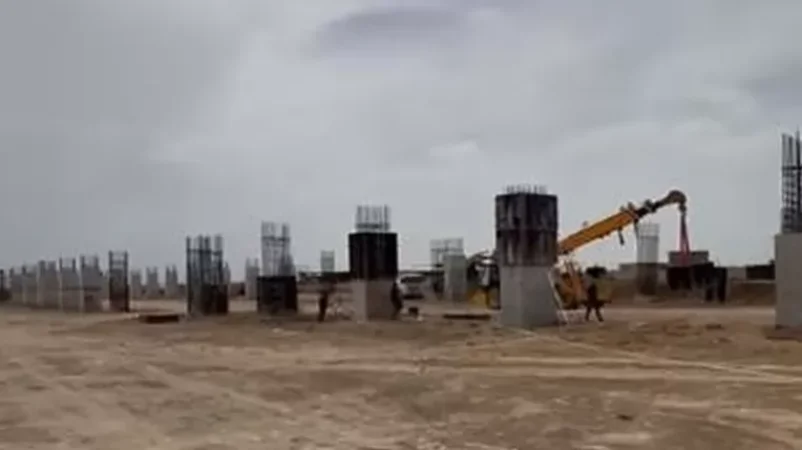
The Ministry of Environment of the Republic of Armenia has issued a clarification in response to Azerbaijan's statement regarding the metalworking plant in Yerasx.
The clarification particularly states: "According to Article 2 of the 'Convention on Environmental Impact Assessment in a Transboundary Context' (hereinafter referred to as the Convention), 'Each Party shall undertake the necessary legislative, administrative, and other measures to implement the provisions of this Convention, including the establishment of a procedure for environmental impact assessment which will provide for public participation...'.
In this case, the planned activity involves the processing of black metal scrap in the village of Yerasx in the Ararat region of Armenia, which is not included in the categories of activities defined in the first appendix of the Convention. Moreover, the categories of activities related to 'large-scale melting furnaces and colored metallurgy enterprises' listed in the first appendix of the Convention do not relate to the proposed activity, as the melting of black metal scrap will occur using an induction furnace that operates solely on electricity.
Furthermore, the planned activity, considering Article 2, paragraph 5 of the Convention and the third appendix, cannot be assessed as having significant transboundary harmful impacts based on the following arguments: The criteria defined by the third appendix of the Convention include: a) Volumes: the types of planned activities whose volumes are substantial for the activity type in question; the annual productive capacity of the processing of black metal scrap, set at 108,000 tons, is regarded as small. Typically, the productivity of such processing plants starts from 1 million tons; b) Area: planned activities that are carried out in ecologically sensitive areas or in their immediate vicinity... The closest specially protected natural area, according to the region of Nakhchivan, is located approximately 5 km away from the village of Yerasx, and the planned activity cannot have any negative impact on these areas.
Moreover, there are no wetlands established by the Ramsar Convention, and the nearest candidate Emerald site is located 12 km away. The expected impacts of the planned activity on any archaeological, cultural, or historical monuments in the area are excluded, especially since the nearest known monument is about 12 km away.
c) Effects: The planned activities that involve particularly complex and potentially harmful impacts, including those that may have serious consequences for human health, valuable species of flora and fauna, and ecosystems. The chosen site, the employed advanced technology, and the proposed environmental measures will minimize negative impacts on human health and the environment. Negative impacts on atmospheric air will be ruled out.
The exhaust gases will contain carbon monoxide and dioxide, hydrogen, oxygen, and nitrogen. A dual-stage cleaning system will be installed on the emitted gases, ensuring 99% efficiency. The systems will ensure that the concentrations of harmful substances in atmospheric emissions remain below permitted levels. Furthermore, to improve dispersion conditions, a stack of 33-35 meters in height is planned for the gas emissions. The dust content in the gases emitted from the induction furnaces is significantly lower than that from arc furnaces.
The effects on water resources are excluded. The water demand is planned to be supplied from groundwater, whose level is very close to the surface in the area. Only thermal processes will require water, with the daily circulation of water planned at 328.8 m³. There will be no discharge of water from the production process; the plant will operate with a closed-loop system. Fresh water will be used only to supplement the circulation system. An advanced biological treatment plant with 95-98% effectiveness is planned for domestic wastewater. Treated water can be discharged into local dry ditches and used for irrigation purposes in the area. The border river Araks is located 6 km away. Harmful impacts are excluded since the production processes do not provide for any harmful discharges into the water reservoir.
There will be no impact on the flora and fauna. In this area, there is no wildlife or flora, and if they occur, the necessary protective measures will be implemented according to the law. There can also be no negative impact on soil resources. The factory is planned to be built in an already disturbed area, where there are remnants of dilapidated structures, barricades, and other remnants. The development area lacks a fertile soil layer. Waste management will also be carried out in accordance with established legislative requirements. Black metal scrap will be considered non-hazardous waste. The slag generated from the melting of black metal scrap, which is classified as non-hazardous, is planned to be used in road construction and for other purposes, thus reducing waste accumulation in landfills.
Նմանատիպ հոդվածներ

Meeting of the Chief Prosecutors of Russia, Armenia, and Azerbaijan
Azerbaijan's Actions Against the People of Artsakh Are Becoming More Threatening: Artsakh MFA
Azerbaijan Targets Metallurgical Plant in Yereaskh, Armenian Foreign Ministry Reports
PACE Adopts Resolution on Ensuring Free and Safe Access Through the Lachin Corridor: Ruben Rubinyan
Ավելին Politics բաժնից

Ի՞նչ ուղղությամբ կշարունակի շարժվել Հայաստանը․ Փաշինյանի պատասխանը

Ժողովուրդը թույլ չի տա՝ պատերազմի եռագլուխ կուսակցությունը թպրտա. Փաշինյան

Քրեաօլիգարխիկ համակարգը պետք է արմատախիլ արվի ՀՀ–ից. Փաշինյան