Unfortunately, We Cannot Record That Our Countries Are Leaders in Global Technology: Mher Grigoryan
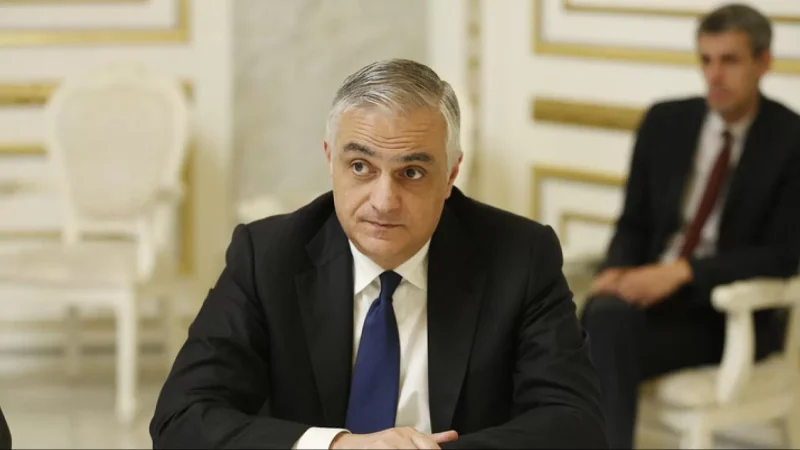
The Deputy Prime Minister of Armenia, Mher Grigoryan, speaking at the Eurasian Economic Conference, outlined the steps that EAEU countries need to take for more effective cooperation.
“First of all, we must consider that we all have different tax regimes, varying energy costs, logistics capabilities, sources of budgetary revenues, and potential to protect against global crises and negative phenomena, as well as different mechanisms for supporting business. Accordingly, the strategic economic content of our cooperation should correspond to these fundamental factors,” he stated.
Grigoryan emphasized the importance of technological advancement for economic development. According to him, such an approach would make Eurasian strategies for human capital development more effective, synchronized, and qualitative. After all, the essence of integration is the development of human capital as the main potential and future of Eurasia.
“Unfortunately, despite the enormous scientific and resource potential of the union, and the high level of education of our citizens, we cannot yet record that our countries are leaders in global technological and technical advancement. The radically changing world and high rates of development require a continuous influx of innovative ideas and modern creative approaches for effective solutions to global problems,” he added.
Moreover, valuable innovative ideas are in high demand worldwide and, naturally, migrate to more favorable environments; therefore, such an environment is needed within the union.
Experts estimate that in countries with more developed economies, 60% of the average growth of national income is conditioned by the increase in the level of modern knowledge, skills, and quality education. The issues of realizing human potential are relevant in any global economic reality.
Grigoryan noted that in the near future, the markets for educational and healthcare services will obviously become global and increase their share in global trade in services. “And from this perspective, we must already now utilize and expand their export potential, which will, in turn, allow us to fairly assess the quality of such services and their competitiveness within our union,” he stated.
Նմանատիպ հոդվածներ



Ավելին Economy բաժնից

9 եվրոպական երկիր և Ուկրաինան կստեղծեն բալիստիկ հրթիռներից պաշտպանության միասնական համակարգ
Շոգի պատճառով Ֆրանսիան ժամանակավորապես դադարեցրել է 3 ատոմակայանի աշխատանքը
Իրանը զգուշացրել է ԱՄՆ-ին՝ Հորմուզի նեղուցին միջամտությունը կհամարվի ագրեսիա