Azerbaijan’s Aggression Against Artsakh: State Minister Calls for International Response
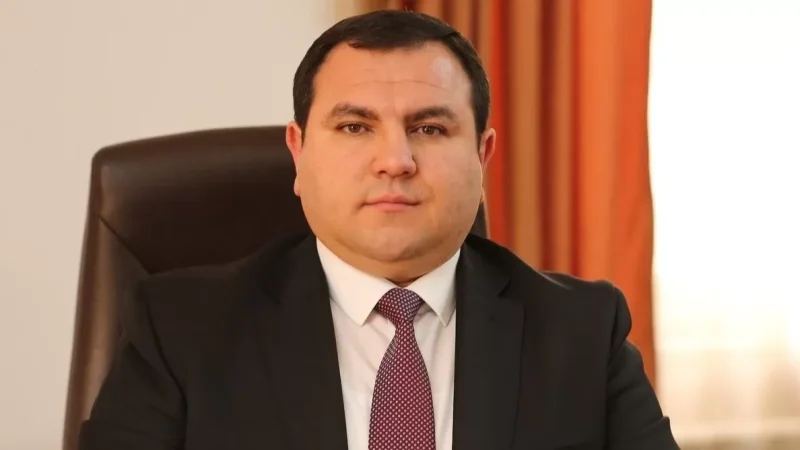
During a press conference in Artsakh, the State Minister of the Republic of Artsakh, Gurgen Nersisyan, stated that the people of Artsakh have been under siege for 102 days. The only road connecting Artsakh to Armenia and the outside world is closed. This is happening in the 21st century, a time when the civilized world attempts to liberalize borders.
“This is considered normal because a human being is the highest value for the world. However, perhaps not for the person living in Artsakh. What is accessible to a person in the civilized world from the day they are born costs generations of life, suffering, and pain in our case,” he said.
Nersisyan outlined several objectives pursued by Azerbaijan through various actions. The first is the economic blockade and the destruction of normal living conditions in Artsakh. This is evidenced by regular interruptions and disruptions in energy and gas supply, obstacles to internal and external communication, halts in the supply of goods imported to Artsakh, and hindrances to peaceful agricultural work.
He recalled recent events in early March when Azerbaijani forces attacked, killing three Artsakh police officers and injuring another. The third action includes subjecting the people of Artsakh to psychological terror, creating an atmosphere of fear and horror, and establishing a state of uncertainty. The fourth act is the ethnic cleansing of Artsakh, potentially leading to genocide. Azerbaijan aims to empty Artsakh of Armenians.
“Azerbaijan spares no effort to achieve this goal,” he asserted.
Nersisyan then described what the Artsakh government is doing to combat these challenges. “It is clear that our capabilities are insufficient to maintain even minimal conditions, but since the very first day of the blockade, we have ensured the assistance of Russian peacekeeping forces and the local representation of the ICRC. Throughout this period, they have been managing to deliver food, medicine, and the minimum quantity of essential goods to us. Sick individuals are transported to Armenia through ICRC mediation, while all surgeries have been suspended locally, minimizing medical interventions.”
He highlighted sectors that have suffered irreparable damage, including agriculture, the educational system, and the financial sector. Tax revenues have decreased by 70 percent, unemployment is rampant, and GDP has been severely affected. Only 20 percent of local entrepreneurs have ceased operations; the rest are attempting to survive with state support.
“Over 39,000 citizens were forcibly displaced from the occupied territories after the 44-day war, of which more than 15,000 reside in Artsakh,” he mentioned.
The State Minister appealed to the international community, stating, “Since September 27, 2020, crimes incompatible with our time are occurring openly before your eyes—attempts to violate elementary human rights, while the international community remains silent. As a result, Azerbaijan is intensifying its aggressive policies. This is why, for three months, Azerbaijan has kept Artsakh under blockade without any substantial criticism from international actors, and has escalated its actions, taking advantage of the international community's passivity and inaction.”
“After all this, Azerbaijan remains unpunished. The decisions of the European Court of Human Rights and the UN International Court, which mandated the unblocking of the Lachin Corridor, remain unfulfilled. The people of Artsakh await your response; we want to be assured that for the civilized world, indeed, the individual and their rights are the highest values and that no material interest can obliterate these rights,” he concluded.
Նմանատիպ հոդվածներ
Yerevan Municipality Acquires Sakura Seedlings for 65,000-72,000 AMD
‘Such Trees Also Pose a Threat’: City Hall on Tree Cutting in Cascade
Azerbaijani Combat Positions Fired at a Resident of Herher Village: Artsakh Ministry of Internal Affairs
AZERBAIJANI SIDE DEPLOYED 100-300 METERS AHEAD OF THE BORDER IN 5 POINTS - NSS
Ավելին Society բաժնից
Բաքվից Հայաստան է ուղարկվել 490 տոննա ռուսական ցորեն

«Արծիվ գործընկեր-2026»․ Հայաստանում կմեկնարկի միջազգային խաղաղապահ զորավարժությունը
Սևանա լիճը բարձրանում է ռեկորդային տեմպերով․ 11 սմ՝ ընդամենը 15 օրում