Beware of Rabies Disease: The National Center for Disease Control and Prevention Warns
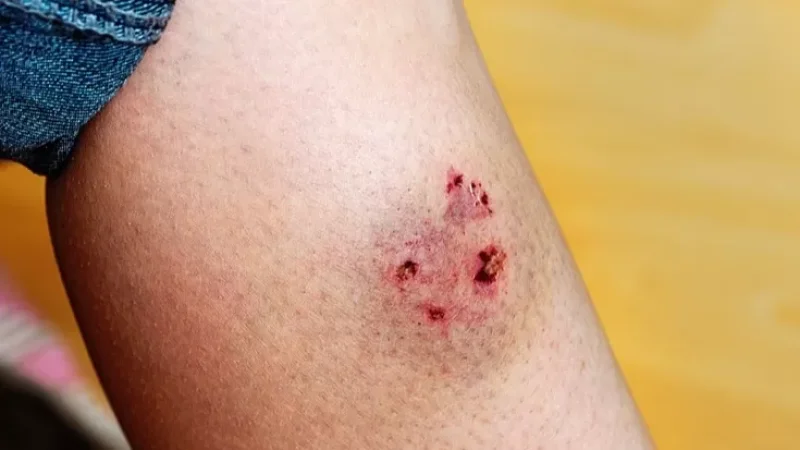
The National Center for Disease Control and Prevention warns: "Rabies (hydrophobia) is a viral infectious (zoonotic) disease. In humans, the disease is primarily expressed through damage to the central nervous system, accompanied by acute excitation of the motor centers, spasms of respiratory and swallowing muscles.
If clinical symptoms are present, the illness ends in death. The main sources and reservoirs of the infection in nature are predatory animals, bats, and rodents, while in households, domestic (dogs, cats) and agricultural animals (cattle) are considered sources.
In terms of the human infection source, animals in the incubation stage of the disease or those showing clinical manifestations of rabies are involved. The incubation period varies from a few days to over a year. The mechanism of transmission involves direct contact with the infection source (breaking the integrity of the skin or mucous membranes through bites, scratches, or other means, as well as through saliva while maintaining the integrity of the skin and mucous membranes).
Rabies has no specific treatment. Preventive vaccinations are also considered treatment; therefore, it is essential to seek medical assistance immediately when an animal (especially stray, unknown, and wild animals) causes injury to receive appropriate vaccinations and prevent the disease from developing.
To prevent rabies, it is necessary to: 1. Seek medical attention immediately if attacked by an animal; 2. Maintain the care and vaccination regimen for pets according to veterinary service instructions; 3. Keep pets away from wild animals; 4. Immediately inform veterinarians serving the farm about suspicions of rabies in animals or bites from wild animals; 5. Do not buy or keep dogs without a veterinary certificate indicating they have been vaccinated against rabies."
Նմանատիպ հոդվածներ




Ավելին Society բաժնից

«Նուբարաշեն» ՔԿՀ-ում երեք կալանավոր հացադուլի մեջ են մինչև 38 օր․ ՍիվիլՆեթ

Նոր ռազմավարությամբ կվերափոխվեն դատաիրավական և հակակոռուպցիոն ոլորտները

Բաքվից Հայաստան է ուղարկվել 490 տոննա ռուսական ցորեն