No Forced Displacements of Azerbaijanis from Armenia, Says PM Pashinyan on 'Western Azerbaijan' Terminology
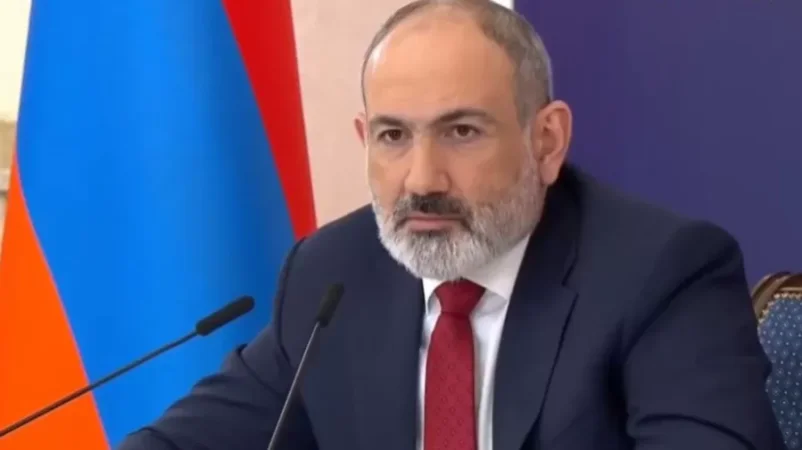
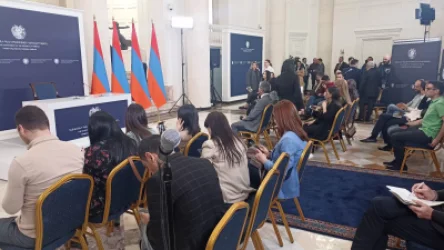
Former residents of the Nakhchivan Autonomous Region who were forcibly displaced regularly raise questions before the Armenian government. Prime Minister Nikol Pashinyan stated this during a meeting with reporters today, in response to a question about the increased use of the term 'Western Azerbaijan' in Azerbaijan.
"The Armenians of Nakhchivan frequently bring up issues before the Armenian government, claiming that the government obstructs their ability to defend their rights," he noted.
Pashinyan recalled that the complete ethnic cleansing of Nakhchivan began as early as the early 20th century. It was not only the Armenians who were forcibly displaced, but there has also been a clearly staged campaign of destruction against Armenian cultural heritage.
He also mentioned the forced displacements of Armenians from Baku, Sumgait, Kirovabad, Shahumyan, and Getashen. According to the Prime Minister, the Armenian government has never hindered the realization of the rights of displaced persons, although it may not have actively encouraged it, which perhaps constitutes a mistake in that regard. But we are talking about hundreds of thousands of people.
"Meanwhile, there have been no cases of forced displacements from Armenia at all. Our archives contain documents showing that the Soviet Armenian government paid astronomical amounts of compensation to Azerbaijanis, who, in fact, decided to leave on their own," Pashinyan stated.
He added that certainly, the overall geopolitical situation played a role, but incidents of massacres and violence have not been recorded in Armenia, whereas we know what happened in Nakhchivan, Shahumyan, Sumgait, Baku, Shamkhor, Kirovabad, and during the 44-day war in Hadrut, Shushi, and other settlements.
"So, the seat is creaking where the selvor is sitting," Pashinyan concluded, referring to the inquiry about the head of the Azerbaijani community in 'Western Azerbaijan' allegedly appealing to the Armenian Prime Minister, demanding permission to return to their historical lands.
It is noteworthy that before World War I, the number of Armenians in the Nakhchivan region, which was part of Yerevan province, was 53,400. By 1926, that number had dropped to just 11,300, a decrease of nearly five times. Subsequently, this number dwindled even further, and during the Artsakh movement, Nakhchivan was completely ethnically cleansed.
Նմանատիպ հոդվածներ
Ավելին Society բաժնից
«Նուբարաշեն» ՔԿՀ-ում երեք կալանավոր հացադուլի մեջ են մինչև 38 օր․ ՍիվիլՆեթ
Նոր ռազմավարությամբ կվերափոխվեն դատաիրավական և հակակոռուպցիոն ոլորտները
Բաքվից Հայաստան է ուղարկվել 490 տոննա ռուսական ցորեն