How to Maximize the Benefits from the Hague Court's Decision: Kirakosyan
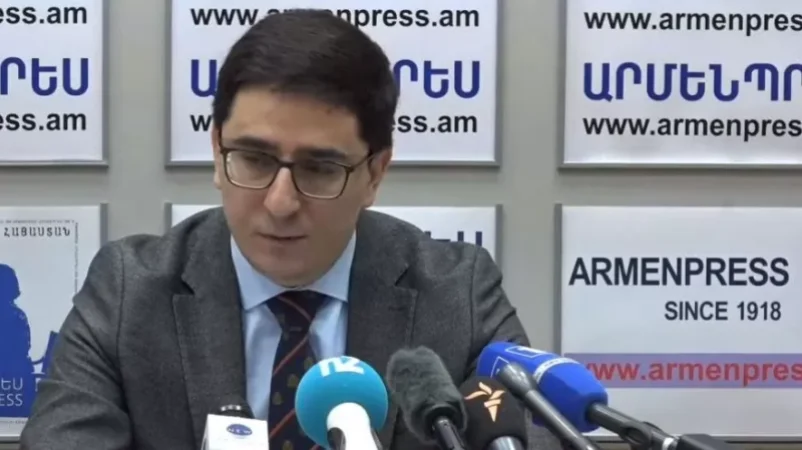
Armenia appealed to the International Court of Justice on September 16, 2021, based on the provisions of the Convention on the Elimination of All Forms of Racial Discrimination. Within the framework of this ongoing proceeding, Armenia also proposed a number of requests for interim measures. This was stated today, February 27, at a press conference by Armenia's representative on international legal matters, Yeghishe Kirakosyan, while addressing the decisions of the UN International Court of Justice regarding interim measures submitted by Armenia and Azerbaijan.
According to him, the first request was submitted along with the application, and hearings took place in The Hague in October 2021 regarding the first request for interim measures. “The outcome was the December 7, 2021 decision, which granted Armenia’s three requests regarding the prohibition of rights violations against captured persons and the guarantee of their rights. The second request concerned the protection of Armenian cultural heritage objects and specifically obligated Azerbaijan to hold accountable all those who carried out vandalism or damaged these objects. The third request pertained to the cessation of hate speech, including by officials, as much of the evidence related to the continuous manifestations of hate speech by high-ranking officials, including Aliyev,” stated Kirakosyan.
He noted that the second request for interim measures was made after the September aggression, as Armenia had new captured soldiers following the aggression. “We requested that the court amend its already applied interim measures to include the newly captured individuals. The court did not alter its decision but commented that its decision also applies to individuals captured afterwards. The third request was submitted in December 2022, resulting in hearings in The Hague on January 30-31 this year. Naturally, you see that all our claims are accompanied by mirror claims by Azerbaijan. Their goal is to create as much noise as possible in an attempt to somewhat reduce the effect of Armenia’s applications, which I believe is not succeeding,” Kirakosyan emphasized.
“Our latest request pertains specifically to the unblocking of the Lachin Corridor, and our demands were very clear: the first was to stop the actions of 'eco-activists' in the Lachin Corridor, the second was to ensure free movement of individuals, vehicles, and goods in both directions along the corridor, and the third request concerned securing the supply of gas and electricity. Azerbaijan submitted a mirror request related to landmines. In 2021, the court had already rejected this request, stating it did not meet the criteria for interim measures. The court reiterated the same in this decision as well. The court implemented measures obliging Azerbaijan to ensure the uninterrupted passage of people, goods, and vehicles through the Lachin Corridor. The court did not find it necessary to address the first request again, as there is no need to apply new additional measures for passage through the Lachin Corridor. Regarding the third request, Armenia did not present sufficient evidence to the court that Azerbaijan is guilty or responsible for the disruption of gas and electricity supply,” added Kirakosyan.
When asked if timeframes were specified by the Hague court for the implementation of the interim measures, he replied, “This time no timeframe was specified by the court. In essence, it is stated in the decision that it is mandatory, effective immediately after acceptance, and that means the state in question must take immediate action.” He noted that if no timeframe was mentioned, it means that the decision should take effect immediately.
Yeghishe Kirakosyan pointed out that there is no body that enforces the rulings of the international court. “The whole process is political, which also implies work. The body that carries a certain responsibility for ensuring the enforcement of the International Court of Justice's decisions is the UN Security Council, which will be competent to intervene in the process when the issues become problematic. We also understand that intervention by the Security Council is currently difficult because there are permanent members operating based on their logic. The politicization of the issue is very high here. I believe there are many other ways to maximize the gains from this legal process before reaching that point,” he concluded. He considered it positive that after the Hague court's decision, many foreign ministries from different countries, as well as the UN Secretary-General, made statements referring to the court's decision. “I think these are important processes that need to be amplified. We must strengthen pressure in this direction as much as possible; this is the only way forward. Unfortunately, we have no other path,” he emphasized.
The representative on international legal matters stated that Armenia must be consistent through both diplomatic means and political leverage to ensure the implementation of the Hague court's decision.
Նմանատիպ հոդվածներ
Russian Girl Lost in Yerevan Amazed by Armenian Teenagers

Azerbaijan Enters Battle for Baklava
The State Revenue Committee Addresses Rumors of Rustam Badasyan's Possible Resignation
What Did Suren Papikyan Receive in Exchange for the 100 Million Dram 'Gift' from the Owner of the Jermuk Group? Ioannisyanc
Ավելին Society բաժնից

Փամբակ գետն ընկած քույրերի որոնումները վերսկսել են. ինչ է հայտնի
Սիփան Փաշինյանը՝ Տավուշի մարզպե՞տ․ «Հրապարակ»
Որտե՞ղ է ընտրական արդարությունը. «Փաստ»